
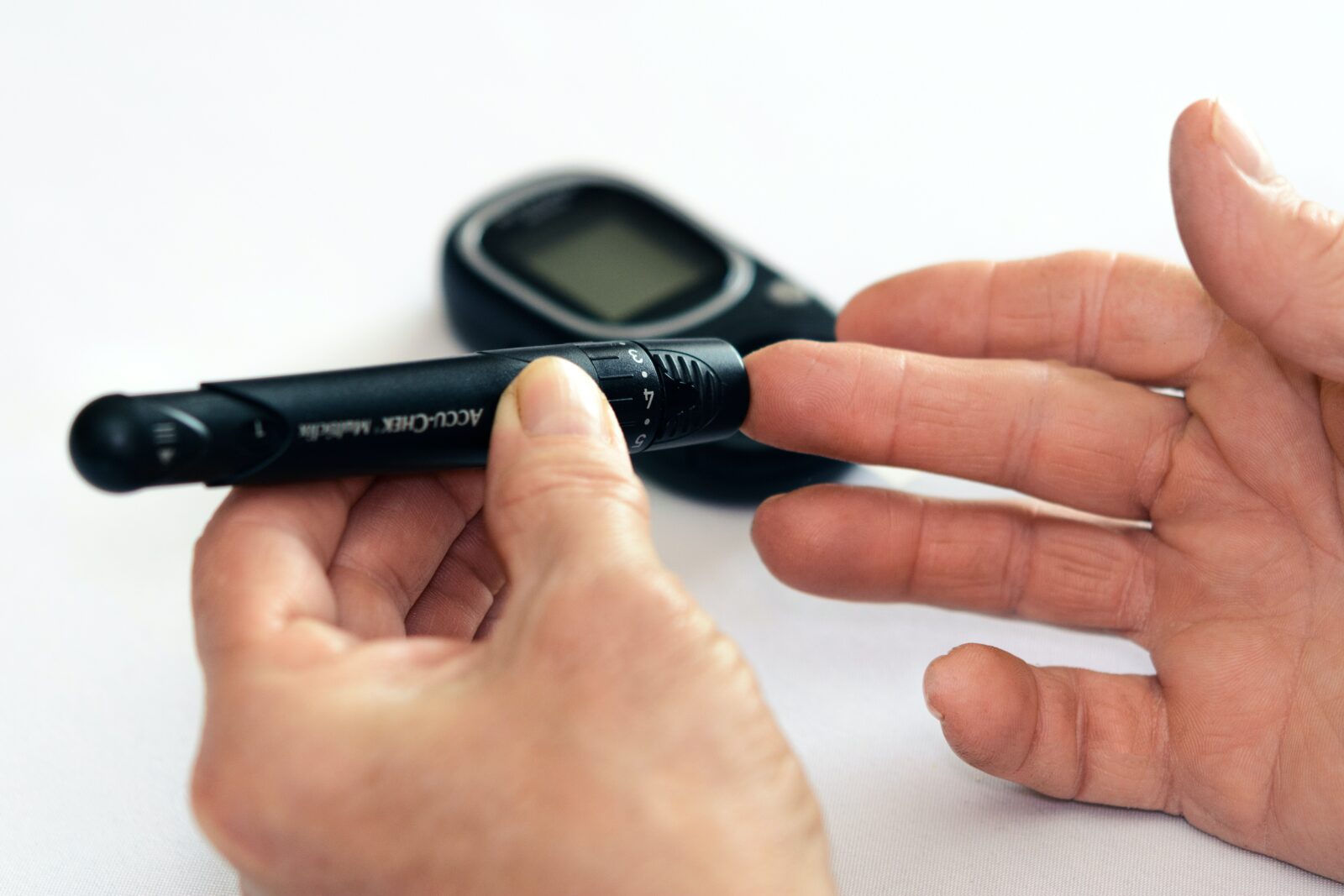
Insulin resistance is reaching such high levels of incidence, it could easily be called a global pandemic. Insulin resistance plays a key role in diseases like obesity, pre-diabetes, type 2 diabetes, heart disease, vascular disease, and dementia.
In countries with a high prevalence, over 10% of the population has type 2 diabetes. Countries that are more economically developed have a higher diabetes prevalence, and this prevalence is increasing with no signs of slowing down.
Many people have insulin resistance but remain unaware of their condition. The first sign frequently is a routine blood test, which shows abnormalities. By then, the individual may have already developed pre-diabetes, diabetes, or chronic disease.
The pancreas is located behind your stomach and adjacent to your liver. The pancreas lowers blood sugar by producing a hormone called insulin, which sends excess sugar to the cells. After having a meal, your blood sugar rises, and insulin secretion is elevated, with the objective of keeping your blood sugar stable. After exercise or prolonged hunger, your blood sugar level will drop, and the insulin level will decrease accordingly. When functioning properly, the pancreas secretes just enough insulin at the right time to keep blood sugar balanced.
However, when insulin resistance occurs, the cells become less sensitive to insulin. The original amount of secreted insulin will no longer be sufficient to lower blood sugar. The pancreas secretes more insulin to lower blood sugar. It takes an increasing amount of insulin to accomplish the task.
At first, everything about the body looks fine, and the blood sugar is within the normal range. However, the actuality is that the pancreas has been overloaded for a long time, and its insulin production capacity is maximized. Eventually, fasting blood glucose will start to rise.
This is a clue to discovering insulin resistance. In addition, elevated triglyceride levels are an indication. By checking insulin and triglyceride levels in the blood, insulin resistance can be detected early, before the onset of type 2 diabetes.
The causes of insulin resistance
Certainly, a diet high in sugar and refined carbohydrates can be a root cause of insulin resistance. It’s best to eat a lot of vegetables, low glycemic index fruits, and reduce the intake of refined carbohydrates.
But there are some other contributing factors that are less well known. Let’s take a look.
Environmental hormones
Our modern environment is replete with environmental hormones, which are substances that can mimic your normal hormones. These are typically plasticizers and preservatives.
Environmental hormones are also called endocrine-disrupting chemicals (EDCs). Since the molecular structure of these substances is similar to that of endocrine hormones, if they enter the body, the body will consider them as “its own” and act according to their instructions. This results in endocrine system disruption and dysfunction of bodily functions.
Environmental hormones can be found in various decorative materials, plastic cups and bottles, take-out containers, food wrappers with plastic lamination, cans with inner coatings, cleaning agents, cosmetics, toothpaste, lipsticks, hand sanitizers, and other everyday items.
The European Commission screened 575 chemicals and found that 320 of them could interfere with the endocrine system, while the FDA found that more than 1,800 environmental hormones could interfere with it.
A review published in The Lancet in 2020 highlighted the association of environmental hormones with numerous non-infectious diseases, such as obesity, type 2 diabetes, thyroid disease, neurodevelopmental disorders, hormone-dependent cancers, and reproductive disorders.
Several of the environmental hormones that we commonly encounter in life include phthalates and bisphenol A
Phthalates are one of the most commonly used plasticizers. They are the plasticizers for PVC plastic products, and since they don’t chemically bind to PVC, they can continue to transfer into the environment. Although the human body can metabolize phthalates in the short term through urine and blood, we are constantly exposed to these substances through plastic products.
They can induce fat formation and inflammatory responses in the body, increase insulin resistance and contribute to the development of type 2 diabetes. People with high urinary phthalate concentrations are 48 percent more likely to develop type 2 diabetes.
Bisphenol A (BPA) is one of the most produced chemicals in the world. It is on receipts for purchases and can seep into your food from plastic containers.
Some French researchers followed 755 healthy individuals for more than nine years. The results showed that people with progressively higher levels of BPA in their urine had a 56 percent to 156 percent increased risk of developing type 2 diabetes, compared to those with the lowest levels.
Pesticides on vegetables and fruit
Pesticides on your produce may trigger insulin resistance and increase your risk of diabetes. The three main effects of pesticides are insecticide, bactericide, and herbicide. Although all countries have set upper limits for pesticide residue levels in food, pesticide residues are present in more or less all fruits and vegetables that people buy on the market.
Pesticides are not well metabolized or excreted by the human body, and even small doses can accumulate in the body over time. Pesticide residues have been extensively measured in human blood, body fat, and breast milk.
Researchers found that the risk of diabetes spiked as the level of pesticides in blood increased. People with low and moderate levels of pesticides in their blood had 14 to 15 times the risk of developing diabetes compared to those with very low levels. People with high levels of pesticides in their blood had 38 times the risk of developing diabetes.
Non-stick coating: perfluoroalkyl substances
Perfluoroalkyl substances (PFAS) are a large group of man-made fluorochemicals, mainly including perfluorooctanoic acid (PFOA) and perfluorooctanesulfonic acid (PFOS). They are found on the inside coatings of non-stick pans and cans, hamburger wrappers, soaps, and body wash. PFASs are heat and acid resistant, and very resistant to degradation. They can accumulate and remain in the human body for years. Some types of PFASs can even pass through the placenta and enter the fetus.
Researchers in the United States conducted a decade-long study on nearly 1,000 people and found that doubling the amount of PFOA in a person’s blood was associated with a 14 percent increase in the risk of diabetes.
Preservatives: triclosan and paraben
Triclosan is used as an antibacterial preservative in toothpaste, hand soaps, body wash, and many other cleaning products. Triclosan disrupts bacterial lipid synthesis and cell membrane integrity, thereby inhibiting the growth of microorganisms. Triclosan enters your body through the skin and oral mucosa and impacts hormone secretion.
Paraben is also antibacterial and relatively inexpensive, and it is common in many household items and foods. Parabens have estrogen-like effects. After entering the human body, they are stored in adipocytes together with natural estrogen, thus increasing the overall estrogen level in the body. The accumulation of estrogen in the body not only disrupts the body’s fat and sugar metabolism, making people more susceptible to diabetes but also increases the risk of breast cancer.