
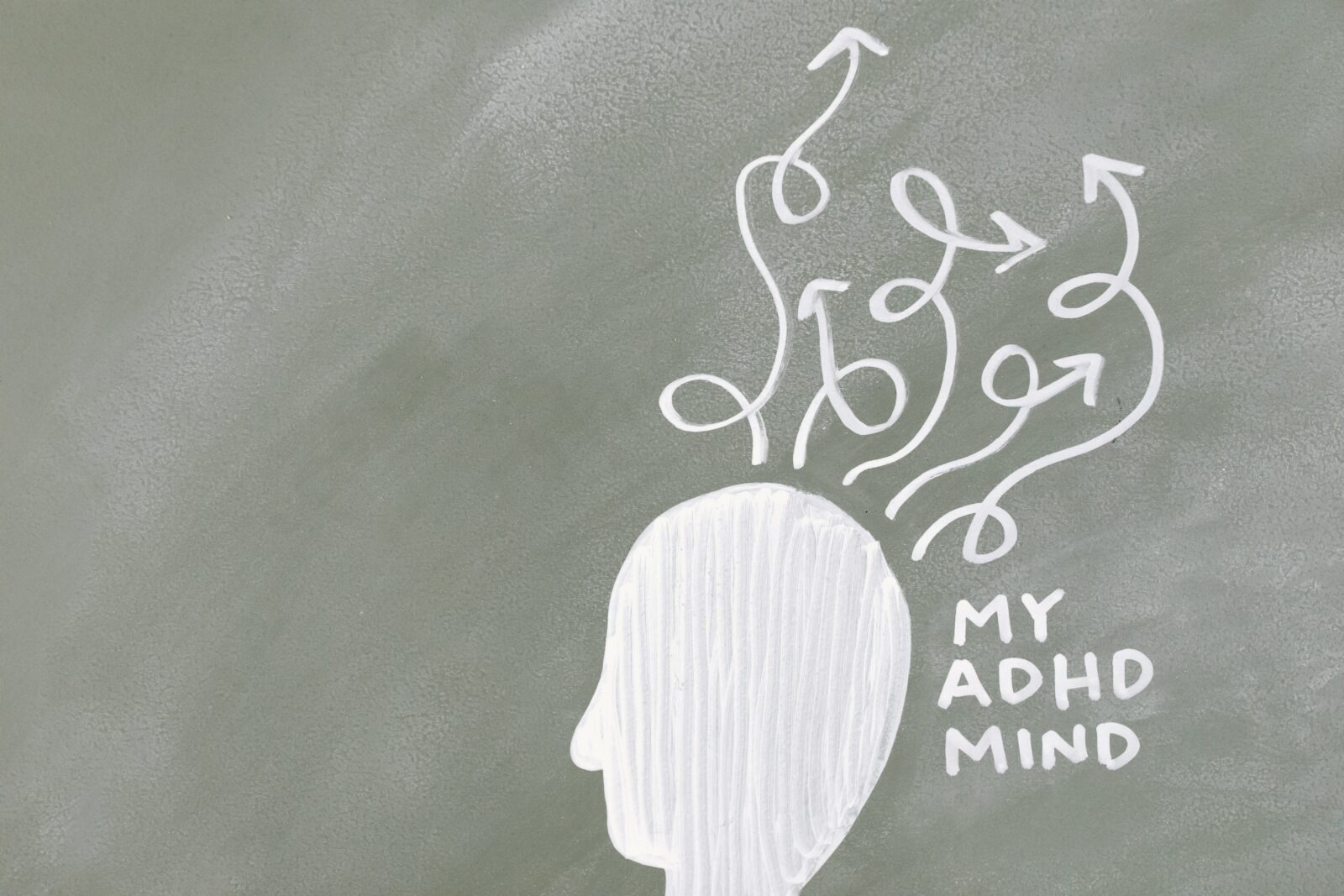
Every morning across America, millions of children swallow pills that would be considered controlled substances if handed to any adult outside of a pharmacy. We call them “ADHD medications.” But let’s be plain: the vast majority of these drugs—Adderall, Vyvanse, Ritalin, Concerta—are amphetamine-class stimulants, molecular cousins of methamphetamine. The idea that these compounds are benign simply because they come in orange bottles is a cultural illusion—and a dangerous one.
For decades, our society has normalized the mass medication of children with pharmaceuticals that alter dopamine and norepinephrine signaling in ways that fundamentally change developing brains. The long-term consequences have been minimized, dismissed, or ignored. And the truth is simple: what we call “treatment” is often chemical control.
The Mass Medication Crisis No One Wants to Talk About
Stimulant medications for ADHD are now among the most commonly prescribed drugs for children. In some states, one out of every five boys is on them. Pediatricians routinely initiate these medications after brief evaluations; schools often pressure parents to seek pharmaceutical solutions to behaviors that, just a generation ago, would have been recognized as entirely normal variations in childhood temperament.
The ethical problems are staggering. We are prescribing pharmaceutical speed to children whose brains are still forming, pruning synapses, and solidifying the neural circuits that will govern emotion, motivation, and impulse control for the rest of their lives. Amphetamines flood the synaptic cleft with dopamine—a neurotransmitter central to reward-seeking, addiction pathways, and executive function. This forced increase in dopamine is why stimulants temporarily improve focus. It is also why they carry risks identical to other addictive substances.
Short-term, children may experience appetite suppression, sleep disturbance, and emotional blunting. Long-term, the concerns are more serious: growth delays, increased anxiety, dependency, cardiovascular strain, compulsive behaviors, and—rare but documented—psychotic symptoms. A developing brain is exquisitely sensitive. Manipulating its chemistry with potent stimulants is not a trivial act. It is a societal experiment without any long-term guarantee of safety.
The ADHD Industrial Complex: How We Got Here
The rise of ADHD diagnoses did not occur in a vacuum. Pharmaceutical companies poured billions into advertising, education campaigns, and professional trainings designed to expand diagnostic boundaries. Parents were assured that stimulant medications were no more dangerous than a cup of coffee. Teachers were urged to recommend evaluation when faced with children who struggled to sit still in classrooms designed for sedentary compliance. Behavioral variance became pathologized.
Meanwhile, dissenting voices—pediatric neurologists, child psychologists, nutrition researchers, and integrative physicians—found themselves sidelined. Those who pointed out the role of diet, sleep, trauma, environmental toxins, or sensory processing difficulties were labeled as minimizing a “real medical condition.” In truth, they were resisting the oversimplified narrative that all inattentive or high-energy children are suffering from the same brain disorder requiring the same drug-based solution.
ADHD is a label, not an explanation. Two children may receive the same diagnosis while having entirely different underlying causes. One may be sleep-deprived. Another may be iron-deficient. Another may have gut dysbiosis affecting neurotransmitter synthesis. Another may be emotionally overwhelmed due to stress or trauma. Yet all may be treated as though they share the same neurochemical defect—and all may be prescribed the same potent stimulant.
This is not medicine. It is algorithmic prescribing wrapped in the language of clinical care.
When the Diagnosis Is Weak but the Drugs Are Strong
The diagnostic criteria for ADHD remain subjective, behavioral, and reliant on questionnaires rather than biomarkers. A child’s future can be determined by the observations of a single teacher or the results of a 20-minute clinical interview. Yet the medication that follows is anything but subjective. It forcibly manipulates the brain’s reward pathways, sometimes with consequences that last long after discontinuation.
Many children on stimulants struggle with emotional volatility, anxiety, appetite loss, headaches, or painful rebound irritability as the medication wears off. Some describe feeling “not like themselves.” Others become withdrawn or overly serious. Parents may hear praise from teachers—“He’s so much easier to manage now”—but see a child who is quieter, sadder, or more fragile at home.
And then there is tolerance. Over time, many children require higher doses to achieve the same effect, creating a cycle eerily similar to the pattern seen with other dopamine-modulating compounds. Yet these medications are routinely given to children as young as six.
This is not merely a clinical issue—it is a moral one.
A Better Path Forward: Pycnogenol and the Science of Supporting, Not Overriding, the Brain
Fortunately, alternatives exist—real, evidence-based, and safe alternatives that work with a child’s physiology instead of overpowering it. One of the most promising is Pycnogenol, a standardized extract of French maritime pine bark. Widely studied for its antioxidant and anti-inflammatory properties, Pycnogenol acts not by flooding the brain with stimulants but by restoring balance where chaos has taken hold.
Multiple clinical trials have shown that Pycnogenol can reduce hyperactivity, improve attention, and enhance executive function in children diagnosed with ADHD. Unlike amphetamine-based drugs, it does not force-feed the brain dopamine. Instead, its benefits appear to arise from fundamental improvements in cerebral blood flow, oxidative stress reduction, nitric oxide modulation, and reduced inflammation—factors increasingly recognized as contributors to cognitive and behavioral dysregulation.
In one randomized controlled trial, children taking Pycnogenol for just one month showed significant improvements in attention, visual-motor coordination, and concentration. Importantly, these improvements persisted even after the supplement was discontinued, suggesting a true healing effect rather than a temporary chemical override.
Side effects were virtually nonexistent.
Why Pycnogenol Matters in the Future of Child Mental Health
A child’s brain is not a malfunctioning machine needing harsher controls; it is a living system that responds to environment, nutrition, sleep, stress, and toxic exposures. Pycnogenol’s multifaceted action reflects this reality. By modulating inflammation, enhancing blood flow, and supporting neurotransmitter balance, it supports the holistic ecosystem of the developing brain.
More importantly, it does so gently.
In a world where stimulant prescriptions continue to rise and children continue to bear the burden of a model that confuses chemical suppression with care, Pycnogenol represents a shift toward biological respect. It is not a miracle cure. But it is a scientifically validated, low-risk tool that can help many children achieve focus and calm without sacrificing their long-term neurological health.
The Way Forward
It is time to reevaluate how we think about children’s behavior, brain development, and the ethics of medicating the young with substances powerful enough to alter adult brains. The current stimulant-centered model is neither the only option nor the safest. A more responsible path exists—one grounded in biology, compassion, and genuine respect for the developing mind.
Pycnogenol is not the only alternative, but it is one of the best studied and safest. And for many families, it offers something that amphetamine-based stimulants never truly could: support, not suppression.