
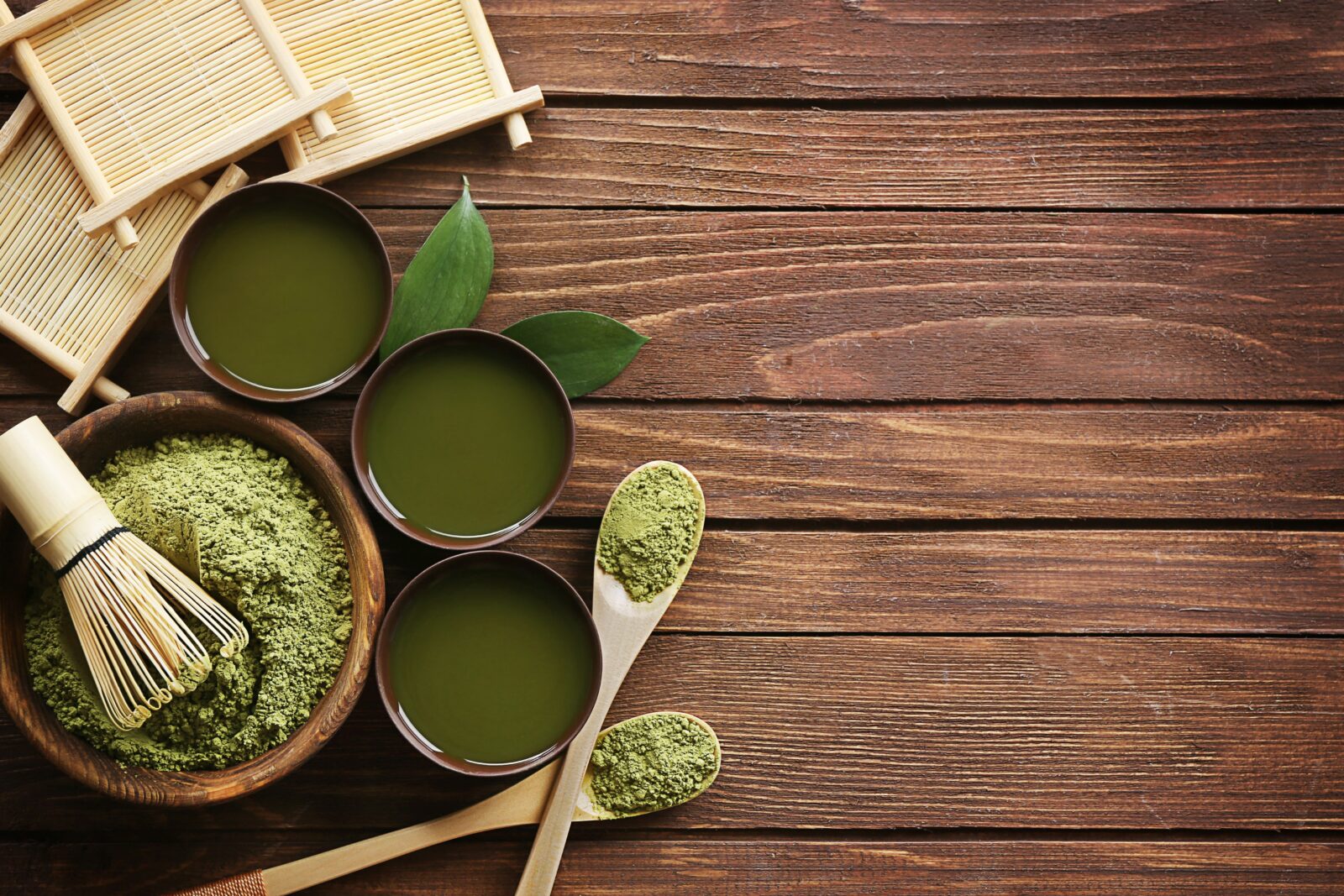
Green tea provides so many health benefits. The plant Camellia sinensis is the tea plant. It yields both black and green tea. Green tea is produced by lightly steaming the fresh-cut leaf, while black tea is produced by allowing the tea leaves to oxidize. During oxidation, enzymes present in the tea convert polyphenols to a different compound with varying pharmacological effects.
However, by lightly steaming the fresh tea leaf, oxidation is prevented because the steaming inactivates the enzymes. Green tea contains high levels of polyphenols with potent antioxidant and anti-cancer properties. Green tea is produced primarily in Japan, China, and certain countries in the Middle East and North Africa.
The key polyphenols in green tea are flavonoids: catechin, epicatechin, epicatechin gallate, epigallocatechin gallate (EGCG), and proanthocyanidins. Epigallocatechin gallate is considered the most significant active component. The usual concentration of total polyphenols in dried green tea leaves is around 8 to 12 percent.
Green tea also contains caffeine, theanine, lignan, organic acids, protein, and chlorophyll.
One cup of green tea contains approximately 300 to 400 mg of polyphenols, although a small percentage of the entire cup will be polyphenols and a smaller portion will be polyphenol epigallocatechin gallate.
Most of the studies on green tea have focused on the cancer protective aspects. Green tea polyphenols are potent antioxidant compounds that have demonstrated greater antioxidant protection than vitamins C and E in experimental studies.
In addition, green tea may increase the activity of antioxidant enzymes. In a study using mice, researchers found that adding green tea polyphenols to their diet resulted in a significant increase in the activity of antioxidant and detoxifying enzymes (glutathione peroxidation, glutathione reductase, and glutathione S-transferase, catalase, and quinine reductase) in the small intestine, liver, and lungs.
Let’s take a deeper dive and look at the wide array of clinical applications for EGCG in green tea.
Cancer
The cancer-inhibiting effects of green tea have been the subject of many population-based studies. Countries where green tea is regularly consumed tend to have low incidence rates of cancer. Still, it isn’t possible to use these population-based studies to actually determine if green tea prevents cancer. Current studies underway are looking at whether EGCG may inhibit cancer.
EGCE may suppress tumor growth by inhibiting the release of a substance that stimulates tumor growth and progression. In addition, EGCG inhibited the binding of two tumor promoters to their receptors.
Atherosclerosis
Studies suggest that the antioxidant properties in green tea may help prevent atherosclerosis and coronary artery disease. The sensitive C-reactive protein is a marker of arterial inflammation. Doctors believe that inflammation contributes to heart disease. EGCG is a potent anti-inflammatory.
Some studies from Japan show that green tea reduces levels of LDL cholesterol, which helps reduce the risk of coronary heart disease. European studies have found that regular consumption of green tea protects against heart disease. One study found the risk was 36% less for tea drinkers.
Preliminary research also indicates that tea polyphenols may reduce the activity of platelets, which are the clotting agents of the blood. Sticky blood is more likely to form artery-blocking clots. And, green tea has demonstrated an ability to lower total cholesterol and raise HDL cholesterol in both animals and people. Several animal studies suggest that green tea may block the intestinal absorption of cholesterol and promote its elimination from the body.
EGCG may inhibit lipid peroxidation, an oxidative process implicated in several pathologic conditions, including atherosclerosis.
In a cross-cultural correlation study of 16 cohorts, known as the Seven Countries Study, the average flavanol intake was inversely correlated with mortality rates of coronary heart disease after 25 years of follow-up (Hertog et al., 1995; Hollman et al.,1999).
Healthy skin
Researchers conducted a study that compared the normal growth of skin cells versus the growth of skin cells that had been exposed to EGCG. The team found that EGCG reactivated dying skin cells. Skin cells typically live about 28 days as they migrate to the surface. By day 20, they are at the upper layer where they will die and slough off. But, EGCG reactivated them. It is important to note that the research showed that green tea polyphenols are absorbed by only the epidermis, which is the outer layer of the skin.
Research also shows that EGCG may provide benefits for skin conditions like aphthous ulcers, psoriasis, rosacea, wrinkles, and wounds. It may lessen the development of scar tissue. Diabetics with slow healing wounds may benefit from EGCG supplementation.
Healthy joints
Because green tea is a powerful antioxidant and anti-inflammatory, it can help patients with osteoarthritis, bursitis, and rheumatoid arthritis. Many patients report improvement in arthritic pain when taking EGCG.
Some interesting research in Europe shows that EGCG protects cartilage destruction in test-tube models of cartilage loss that mimic what happens in the arthritic joint.
Diabetes
Green tea helps regulate blood sugar. Animal studies suggest that green tea may help prevent the development of type 1 diabetes and slow the progression after onset. EGCG may help regulate glucose in the body because it has a slight inhibition on carbohydrate digesting enzymes. EGCG may help diabetic patients by addressing their higher risk of cardiovascular disease.
Inflammatory bowel disease (IBD)
Green tea may help reduce inflammation associated with Crohn’s disease and ulcerative colitis, the two types of IBD. In a recent study, scientists may have discovered one mechanism behind this effect. They found that EGCG can inhibit interleukin 8, which is a pro-inflammatory cytokine. While additional research is needed, several trials are underway.
Liver disease
Population-based studies have shown that men who drink more than 10 cups of green tea per day are less likely to develop disorders of the liver. Green tea also appears to protect the liver from the damaging effects of toxic substances such as alcohol. Animal studies have shown that green tea helps protect against the development of liver tumors in mice. Results from several animal and human studies suggest that EGCG may help treat viral hepatitis.
Additionally, green tea has hepatoprotective qualities that include killing dangerous intestinal bacterial strains (clostridium and Escherichia coli), promoting the growth of friendly bacteria in the intestine and lowering excessive iron levels in the liver that would interfere with ribavirin and interferon treatment for hepatitis C.
Antioxidant properties
Several studies confirm the powerful antioxidant properties of EGCG. Some researchers suggest that EGCG may be far more effective than both vitamin C and E at protecting cells and DNA from damage linked to heart disease, cancer, and other serious illnesses. EGCG carries twice the antioxidant punch of resveratrol, found in red wine.
The early data on antioxidant properties of EGCG came from the experimental data that showed EGCG-induced inhibition of soybean lipoxygenase. Later, it was reported that EGCG inhibited TPA-induced oxidative DNA base modification in HeLa cells, inhibited Cu2+-mediated oxidation of low-density lipoprotein (LDL), reduced tert-butyl hydroperoxide-induced lipid peroxidation and blocked the production of certain reactive oxygen species.
Green tea, which is water soluble, has another advantage over vitamin E. Excessive amounts of antioxidants found in green tea are excreted by the body. The body absorbs and retains fat-based vitamins such as vitamin E, even at potentially harmful levels.
Final thoughts
Several green tea products on the market are high in EGCG. If you wish to take a supplement for higher levels, you may want to include a probiotic. EGCG may block starch, and EGCG may act an anti-fungal, which could initiate a “die-off” response. Thus, you may at first experience mild gastrointestinal discomfort. That can be addressed with probiotics. In addition, eliminate all refined carbohydrates. Otherwise, enjoy tea time each day with a cup of green tea and enjoy the benefits.