
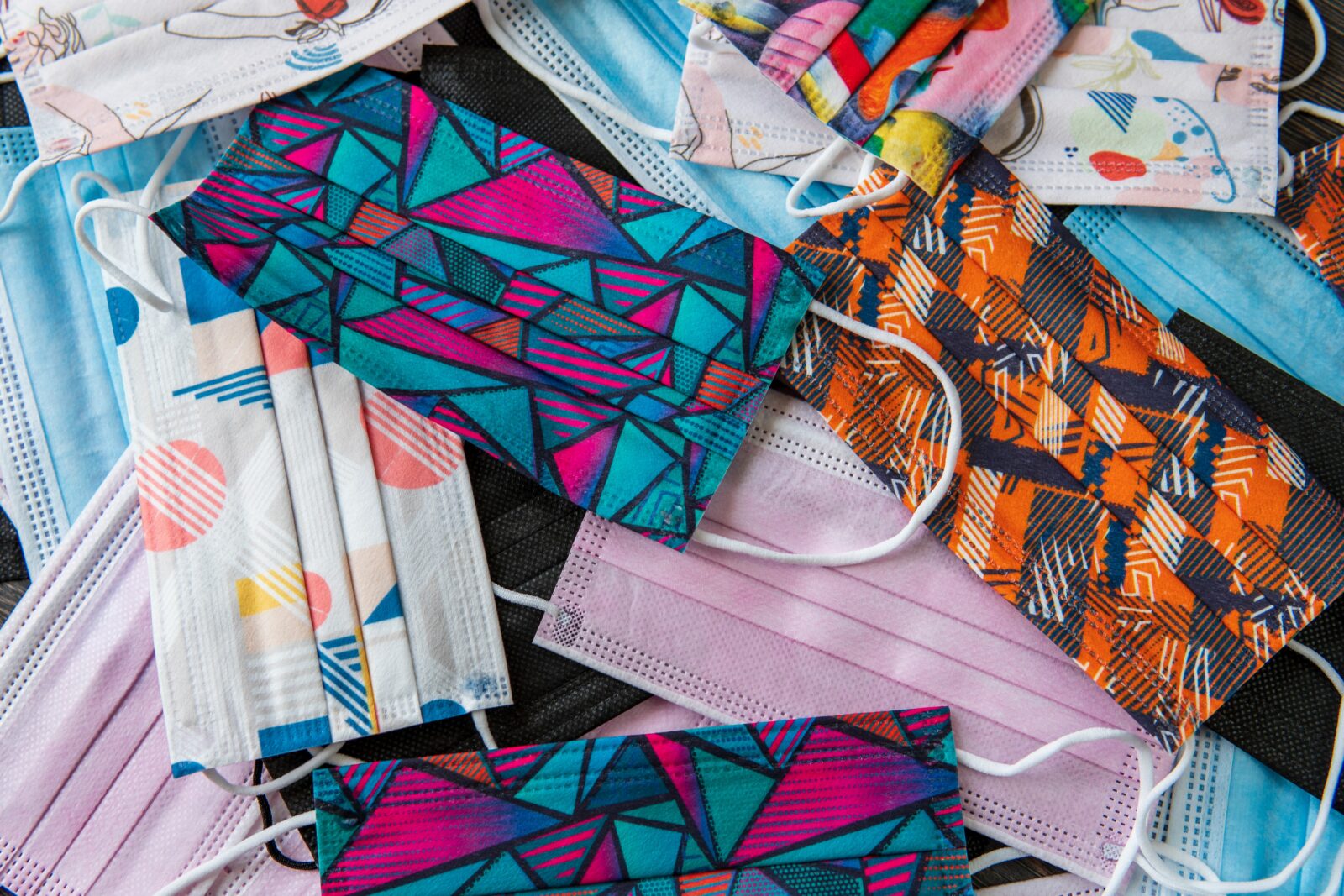
Nearly 2 years into the COVID-19 pandemic response, we can reasonably conclude that surgical and cloth masks used without other forms of PPE do not stop or reduce the transmission of the COVID-19 virus.
In fact, current evidence suggests that face masks may be harmful. At the very least, the body of evidence shows that face masks are ineffective. Let’s take a look at the use of masks during the lockdown restrictive policies.
These lockdowns were a huge mistake in the history of public health measures. They may be the worst mistake ever. Doctors and researchers knew early of the risk stratification of COVID-19. Focused protection as advocated in the Great Barrington Declaration should have been followed for the best results. Instead, the children will suffer the catastrophic consequences for decades to come both educationally and emotionally. Minority groups bore the brunt since they were least able to afford alternatives like private schools.
Many people are still being forced to wear masks. Below is a compilation of many studies that present evidence that masks do not control the virus and may be harmful especially to children.
| Medical Masks, Desai, 2020 | “Face masks should be used only by individuals who have symptoms of respiratory infection such as coughing, sneezing, or, in some cases, fever. Face masks should also be worn by health care workers, by individuals who are taking care of or are in close contact with people who have respiratory infections, or otherwise as directed by a doctor. Face masks should not be worn by healthy individuals to protect themselves from acquiring respiratory infection because there is no evidence to suggest that face masks worn by healthy individuals are effective in preventing people from becoming ill.” |
| Masks, false safety and real dangers, Part 1: Friable mask particulate and lung vulnerability, Borovoy, 2020 | “Surgical personnel are trained to never touch any part of a mask, except the loops and the nose bridge. Otherwise, the mask is considered useless and is to be replaced. Surgical personnel are strictly trained not to touch their masks otherwise. However, the general public may be seen touching various parts of their masks. Even the masks just removed from manufacturer packaging have been shown in the above photos to contain particulate and fiber that would not be optimal to inhale… Further concerns of macrophage response and other immune and inflammatory and fibroblast response to such inhaled particles specifically from facemasks should be the subject of more research. If widespread masking continues, then the potential for inhaling mask fibers and environmental and biological debris continues on a daily basis for hundreds of millions of people. This should be alarming for physicians and epidemiologists knowledgeable in occupational hazards.” |
| UK Government Advisor Admits Masks Are Just “Comfort Blankets” That Do Virtually Nothing, ZeroHedge, 2021 | “As the UK Government heralds “freedom day” today, which is anything but, a prominent government scientific advisor has admitted that face masks do very little to protect from coronavirus and are basically just “comfort blankets…the professor noted that “those aerosols escape masks and will render the mask ineffective,” adding “The public were demanding something must be done, they got masks, it is just a comfort blanket. But now it is entrenched, and we are entrenching bad behaviour…all around the world you can look at mask mandates and superimpose on infection rates, you cannot see that mask mandates made any effect whatsoever,” Axon further noted, adding that “The best thing you can say about any mask is that any positive effect they do have is too small to be measured.” |
| London high school teacher calls face masks an ‘egregious and unforgivable form of child abuse, Butler, 2020 | “In his email, Farquharson called the campaign to legislate mask wearing a “shameful farce, a charade, an act of political theatre” that’s more about enforcing “obedience and compliance” than it is about public health. He also likened children wearing masks to “involuntary self-torture,” calling it “an egregious and unforgivable form of child abuse and physical assault.” |
| Masks can be Murder, Grossman, 2021 | “Wearing masks can create a sense of anonymity for an aggressor, while also dehumanizing the victim. This prevents empathy, empowering violence, and murder.” Masking helps remove empathy and compassion, allowing others to commit unspeakable acts on the masked person.” |
| The Damage of Masking Children Could be Irreparable, Hussey, 2021 | “When we surround children with mask-wearers for a year at a time, are we impairing their face barcode recognition during a period of hot neural development, thus putting full development of the FFA at risk? Does the demand for separation from others, reducing social interaction, add to the potential consequences as it might in autism? When can we be sure that we won’t interfere with visual input to the face recognition visual neurology so we don’t interfere with brain development? How much time with stimulus interference can we allow without consequences? Those are all questions currently without answers; we don’t know. Unfortunately, the science implies that if we mess up brain development for faces, we may not currently have therapies to undo everything we’ve done.” |
| Surgical masks as source of bacterial contamination during operative procedures, Zhiqing, 2018 | “The source of bacterial contamination in SMs was the body surface of the surgeons rather than the OR environment. Moreover, we recommend that surgeons should change the mask after each operation, especially those beyond 2 hours.” |
| Effect of Wearing Face Masks on the Carbon Dioxide Concentration in the Breathing Zone, AAQR/Geiss, 2020 | “Detected carbon dioxide concentrations ranged from 2150 ± 192 to 2875 ± 323 ppm. The concentrations of carbon dioxide while not wearing a face mask varied from 500–900 ppm. Doing office work and standing still on the treadmill each resulted in carbon dioxide concentrations of around 2200 ppm. A small increase could be observed when walking at a speed of 3 km h–1 (leisurely walking pace)…concentrations in the detected range can cause undesirable symptoms, such as fatigue, headache, and loss of concentration.” |
| Face mask dermatitis” due to compulsory facial masks during the SARS-CoV-2 pandemic: data from 550 health care and non-health care workers in Germany, Niesert, 2021 | “The duration of wearing masks showed a significant impact on the prevalence of symptoms (p < 0.001). Type IV hypersensitivity was significantly more likely in participants with symptoms compared to those without symptoms (p = 0.001), whereas no increase in symptoms was observed in participants with atopic diathesis. HCWs used facial skin care products significantly more often than non-HCWs (p = 0.001).” |
| Dangerous pathogens found on children’s face masks, Rational Ground, 2021 | “A group of parents in Gainesville, FL, sent 6 face masks to a lab at the University of Florida, requesting an analysis of contaminants found on the masks after they had been worn. The resulting report found that five masks were contaminated with bacteria, parasites, and fungi, including three with dangerous pathogenic and pneumonia-causing bacteria. Although the test is capable of detecting viruses, including SARS-CoV-2, only one virus was found on one mask (alcelaphine herpesvirus 1)…Half of the masks were contaminated with one or more strains of pneumonia-causing bacteria. One-third were contaminated with one or more strains of meningitis-causing bacteria. One-third were contaminated with dangerous, antibiotic-resistant bacterial pathogens. In addition, less dangerous pathogens were identified, including pathogens that can cause fever, ulcers, acne, yeast infections, strep throat, periodontal disease, Rocky Mountain Spotted Fever, and more.” |
| 1) Effectiveness of Adding a Mask Recommendation to Other Public Health Measures to Prevent SARS-CoV-2 Infection in Danish Mask Wearers, Bundgaard, 2021 | “Infection with SARS-CoV-2 occurred in 42 participants recommended masks (1.8%) and 53 control participants (2.1%). The between-group difference was −0.3 percentage point (95% CI, −1.2 to 0.4 percentage point; P = 0.38) (odds ratio, 0.82 [CI, 0.54 to 1.23]; P = 0.33). Multiple imputation accounting for loss to follow-up yielded similar results…the recommendation to wear surgical masks to supplement other public health measures did not reduce the SARS-CoV-2 infection rate among wearers by more than 50% in a community with modest infection rates, some degree of social distancing, and uncommon general mask use.” |
| 2) SARS-CoV-2 Transmission among Marine Recruits during Quarantine, Letizia, 2020 | “Our study showed that in a group of predominantly young male military recruits, approximately 2% became positive for SARS-CoV-2, as determined by qPCR assay, during a 2-week, strictly enforced quarantine. Multiple, independent virus strain transmission clusters were identified…all recruits wore double-layered cloth masks at all times indoors and outdoors.” |
| 3) Physical interventions to interrupt or reduce the spread of respiratory viruses, Jefferson, 2020 | “There is low certainty evidence from nine trials (3507 participants) that wearing a mask may make little or no difference to the outcome of influenza‐like illness (ILI) compared to not wearing a mask (risk ratio (RR) 0.99, 95% confidence interval (CI) 0.82 to 1.18. There is moderate certainty evidence that wearing a mask probably makes little or no difference to the outcome of laboratory‐confirmed influenza compared to not wearing a mask (RR 0.91, 95% CI 0.66 to 1.26; 6 trials; 3005 participants)…the pooled results of randomised trials did not show a clear reduction in respiratory viral infection with the use of medical/surgical masks during seasonal influenza.” |
| 4) The Impact of Community Masking on COVID-19: A Cluster-Randomized Trial in Bangladesh, Abaluck, 2021 | A cluster-randomized trial of community-level mask promotion in rural Bangladesh from November 2020 to April 2021 (N=600 villages, N=342,126 adults. Heneghan writes: “In a Bangladesh study, surgical masks reduced symptomatic COVID infections by between 0 and 22 percent, while the efficacy of cloth masks led to somewhere between an 11 percent increase to a 21 percent decrease. Hence, based on these randomized studies, adult masks appear to have either no or limited efficacy.” |
| 5) Evidence for Community Cloth Face Masking to Limit the Spread of SARS-CoV-2: A Critical Review, Liu/CATO, 2021 | “The available clinical evidence of facemask efficacy is of low quality and the best available clinical evidence has mostly failed to show efficacy, with fourteen of sixteen identified randomized controlled trials comparing face masks to no mask controls failing to find statistically significant benefit in the intent-to-treat populations. Of sixteen quantitative meta-analyses, eight were equivocal or critical as to whether evidence supports a public recommendation of masks, and the remaining eight supported a public mask intervention on limited evidence primarily on the basis of the precautionary principle.” |
| 6) Nonpharmaceutical Measures for Pandemic Influenza in Nonhealthcare Settings—Personal Protective and Environmental Measures, CDC/Xiao, 2020 | “Evidence from 14 randomized controlled trials of these measures did not support a substantial effect on transmission of laboratory-confirmed influenza…none of the household studies reported a significant reduction in secondary laboratory-confirmed influenza virus infections in the face mask group…the overall reduction in ILI or laboratory-confirmed influenza cases in the face mask group was not significant in either studies.” |
| 7) CIDRAP: Masks-for-all for COVID-19 not based on sound data, Brosseau, 2020 | “We agree that the data supporting the effectiveness of a cloth mask or face covering are very limited. We do, however, have data from laboratory studies that indicate cloth masks or face coverings offer very low filter collection efficiency for the smaller inhalable particles we believe are largely responsible for transmission, particularly from pre- or asymptomatic individuals who are not coughing or sneezing…though we support mask wearing by the general public, we continue to conclude that cloth masks and face coverings are likely to have limited impact on lowering COVID-19 transmission, because they have minimal ability to prevent the emission of small particles, offer limited personal protection with respect to small particle inhalation, and should not be recommended as a replacement for physical distancing or reducing time in enclosed spaces with many potentially infectious people.” |
| 8) Universal Masking in Hospitals in the Covid-19 Era, Klompas/NEJM, 2020 | “We know that wearing a mask outside health care facilities offers little, if any, protection from infection. Public health authorities define a significant exposure to Covid-19 as face-to-face contact within 6 feet with a patient with symptomatic Covid-19 that is sustained for at least a few minutes (and some say more than 10 minutes or even 30 minutes). The chance of catching Covid-19 from a passing interaction in a public space is therefore minimal. In many cases, the desire for widespread masking is a reflexive reaction to anxiety over the pandemic…The calculus may be different, however, in health care settings. First and foremost, a mask is a core component of the personal protective equipment (PPE) clinicians need when caring for symptomatic patients with respiratory viral infections, in conjunction with gown, gloves, and eye protection…universal masking alone is not a panacea. A mask will not protect providers caring for a patient with active Covid-19 if it’s not accompanied by meticulous hand hygiene, eye protection, gloves, and a gown. A mask alone will not prevent health care workers with early Covid-19 from contaminating their hands and spreading the virus to patients and colleagues. Focusing on universal masking alone may, paradoxically, lead to more transmission of Covid-19 if it diverts attention from implementing more fundamental infection-control measures.” |
| 9) Masks for prevention of viral respiratory infections among health care workers and the public: PEER umbrella systematic review, Dugré, 2020 | “This systematic review found limited evidence that the use of masks might reduce the risk of viral respiratory infections. In the community setting, a possible reduced risk of influenza-like illness was found among mask users. In health care workers, the results show no difference between N95 masks and surgical masks on the risk of confirmed influenza or other confirmed viral respiratory infections, although possible benefits from N95 masks were found for preventing influenza-like illness or other clinical respiratory infections. Surgical masks might be superior to cloth masks but data are limited to 1 trial.” |
| 10) Effectiveness of personal protective measures in reducing pandemic influenza transmission: A systematic review and meta-analysis, Saunders-Hastings, 2017 | “Facemask use provided a non-significant protective effect (OR = 0.53; 95% CI 0.16–1.71; I2 = 48%) against 2009 pandemic influenza infection.” |
| 11) Experimental investigation of indoor aerosol dispersion and accumulation in the context of COVID-19: Effects of masks and ventilation, Shah, 2021 | “Nevertheless, high-efficiency masks, such as the KN95, still offer substantially higher apparent filtration efficiencies (60% and 46% for R95 and KN95 masks, respectively) than the more commonly used cloth (10%) and surgical masks (12%), and therefore are still the recommended choice in mitigating airborne disease transmission indoors.” |
| Exercise with facemask; Are we handling a devil’s sword?- A physiological hypothesis, Chandrasekaran, 2020 | “Exercising with facemasks may reduce available Oxygen and increase air trapping preventing substantial carbon dioxide exchange. The hypercapnic hypoxia may potentially increase acidic environment, cardiac overload, anaerobic metabolism and renal overload, which may substantially aggravate the underlying pathology of established chronic diseases. Further contrary to the earlier thought, no evidence exists to claim the facemasks during exercise offer additional protection from the droplet transfer of the virus.” |
| Surgical face masks in modern operating rooms–a costly and unnecessary ritual?, Mitchell, 1991 | “Following the commissioning of a new suite of operating rooms air movement studies showed a flow of air away from the operating table towards the periphery of the room. Oral microbial flora dispersed by unmasked male and female volunteers standing one metre from the table failed to contaminate exposed settle plates placed on the table. The wearing of face masks by non-scrubbed staff working in an operating room with forced ventilation seems to be unnecessary.” |
| Facemask against viral respiratory infections among Hajj pilgrims: A challenging cluster-randomized trial, Alfelali, 2020 | “By intention-to-treat analysis, facemask use did not seem to be effective against laboratory-confirmed viral respiratory infections (odds ratio [OR], 1.4; 95% confidence interval [CI], 0.9 to 2.1, p = 0.18) nor against clinical respiratory infection (OR, 1.1; 95% CI, 0.9 to 1.4, p = 0.40).” |
| Simple respiratory protection–evaluation of the filtration performance of cloth masks and common fabric materials against 20-1000 nm size particles, Rengasamy, 2010 | “Results obtained in the study show that common fabric materials may provide marginal protection against nanoparticles including those in the size ranges of virus-containing particles in exhaled breath.” |
| Respiratory performance offered by N95 respirators and surgical masks: human subject evaluation with NaCl aerosol representing bacterial and viral particle size range, Lee, 2008 | “The study indicates that N95 filtering facepiece respirators may not achieve the expected protection level against bacteria and viruses. An exhalation valve on the N95 respirator does not affect the respiratory protection; it appears to be an appropriate alternative to reduce the breathing resistance.” |
| Aerosol penetration and leakage characteristics of masks used in the health care industry, Weber, 1993 | “We conclude that the protection provided by surgical masks may be insufficient in environments containing potentially hazardous sub-micrometer-sized aerosols.” |
| Disposable surgical face masks for preventing surgical wound infection in clean surgery, Vincent, 2016 | “We included three trials, involving a total of 2106 participants. There was no statistically significant difference in infection rates between the masked and unmasked group in any of the trials…from the limited results it is unclear whether the wearing of surgical face masks by members of the surgical team has any impact on surgical wound infection rates for patients undergoing clean surgery.” |
| Disposable surgical face masks: a systematic review, Lipp, 2005 | “From the limited results it is unclear whether wearing surgical face masks results in any harm or benefit to the patient undergoing clean surgery.” |
| Comparison of the Filter Efficiency of Medical Nonwoven Fabrics against Three Different Microbe Aerosols, Shimasaki, 2018 | “We conclude that the filter efficiency test using the phi-X174 phage aerosol may overestimate the protective performance of nonwoven fabrics with filter structure compared to that against real pathogens such as the influenza virus.” |
| The use of masks and respirators to prevent transmission of influenza: a systematic review of the scientific evidence, Bin-Reza, 2012 | “None of the studies established a conclusive relationship between mask/respirator use and protection against influenza infection. Some evidence suggests that mask use is best undertaken as part of a package of personal protection especially hand hygiene.” |
| Facial protection for healthcare workers during pandemics: a scoping review, Godoy, 2020 | “Compared with surgical masks, N95 respirators perform better in laboratory testing, may provide superior protection in inpatient settings and perform equivalently in outpatient settings. Surgical mask and N95 respirator conservation strategies include extended use, reuse or decontamination, but these strategies may result in inferior protection. Limited evidence suggests that reused and improvised masks should be used when medical-grade protection is unavailable.” |
| Assessment of Proficiency of N95 Mask Donning Among the General Public in Singapore, Yeung, 2020 | “These findings support ongoing recommendations against the use of N95 masks by the general public during the COVID-19 pandemic.5 N95 mask use by the general public may not translate into effective protection but instead provide false reassurance. Beyond N95 masks, proficiency among the general public in donning surgical masks needs to be assessed.” |
| Evaluating the efficacy of cloth facemasks in reducing particulate matter exposure, Shakya, 2017 | “Standard N95 mask performance was used as a control to compare the results with cloth masks, and our results suggest that cloth masks are only marginally beneficial in protecting individuals from particles<2.5 μm.” |
| Use of surgical face masks to reduce the incidence of the common cold among health care workers in Japan: a randomized controlled trial, Jacobs, 2009 | “Face mask use in health care workers has not been demonstrated to provide benefit in terms of cold symptoms or getting colds.” |
| N95 Respirators vs Medical Masks for Preventing Influenza Among Health Care Personnel, Radonovich, 2019 | “Among outpatient health care personnel, N95 respirators vs medical masks as worn by participants in this trial resulted in no significant difference in the incidence of laboratory-confirmed influenza.” |
| Does Universal Mask Wearing Decrease or Increase the Spread of COVID-19?, Watts up with that? 2020 | “A survey of peer-reviewed studies shows that universal mask wearing (as opposed to wearing masks in specific settings) does not decrease the transmission of respiratory viruses from people wearing masks to people who are not wearing masks.” |
| Masking: A Careful Review of the Evidence, Alexander, 2021 | “In fact, it is not unreasonable at this time to conclude that surgical and cloth masks, used as they currently are, have absolutely no impact on controlling the transmission of Covid-19 virus, and current evidence implies that face masks can be actually harmful.” |
| Community and Close Contact Exposures Associated with COVID-19 Among Symptomatic Adults ≥18 Years in 11 Outpatient Health Care Facilities — United States, July 2020, Fisher, 2020 | Reported characteristics of symptomatic adults ≥18 years who were outpatients in 11 US academic health care facilities and who received positive and negative SARS-CoV-2 test results (N = 314)* — United States, July 1–29, 2020, revealed that 80% of infected persons wore face masks almost all or most of the time. |
| Impact of non-pharmaceutical interventions against COVID-19 in Europe: a quasi-experimental study, Hunter, 2020 | Face masks in public was not associated with reduced incidence. |
| Masking lack of evidence with politics, CEBM, Heneghan, 2020 | “It would appear that despite two decades of pandemic preparedness, there is considerable uncertainty as to the value of wearing masks. For instance, high rates of infection with cloth masks could be due to harms caused by cloth masks, or benefits of medical masks. The numerous systematic reviews that have been recently published all include the same evidence base so unsurprisingly broadly reach the same conclusions.” |
| Transmission of COVID-19 in 282 clusters in Catalonia, Spain: a cohort study, Marks, 2021 | “We observed no association of risk of transmission with reported mask usage by contacts, with the age or sex of the index case, or with the presence of respiratory symptoms in the index case at the initial study visit.” |
| Non-pharmaceutical public health measures for mitigating the risk and impact of epidemic and pandemic influenza, WHO, 2020 | “Ten RCTs were included in the meta-analysis, and there was no evidence that face masks are effective in reducing transmission of laboratory-confirmed influenza.” |
| The Strangely Unscientific Masking of America, Younes, 2020 | “One report reached its conclusion based on observations of a “dummy head attached to a breathing simulator.” Another analyzed use of surgical masks on people experiencing at least two symptoms of acute respiratory illness. Incidentally, not one of these studies involved cloth masks or accounted for real-world mask usage (or misusage) among lay people, and none established efficacy of widespread mask-wearing by people not exhibiting symptoms. There was simply no evidence whatsoever that healthy people ought to wear masks when going about their lives, especially outdoors.” |
| Facemasks and similar barriers to prevent respiratory illness such as COVID-19: A rapid systematic review, Brainard, 2020 | “31 eligible studies (including 12 RCTs). Narrative synthesis and random-effects meta-analysis of attack rates for primary and secondary prevention in 28 studies were performed. Based on the RCTs we would conclude that wearing facemasks can be very slightly protective against primary infection from casual community contact, and modestly protective against household infections when both infected and uninfected members wear facemasks. However, the RCTs often suffered from poor compliance and controls using facemasks.” |
| The Year of Disguises, Koops, 2020 | “The healthy people in our society should not be punished for being healthy, which is exactly what lockdowns, distancing, mask mandates, etc. do…Children should not be wearing face coverings. We all need constant interaction with our environments and that is especially true for children. This is how their immune system develops. They are the lowest of the low-risk groups. Let them be kids and let them develop their immune systems… The “Mask Mandate” idea is a truly ridiculous, knee-jerk reaction and needs to be withdrawn and thrown in the waste bin of disastrous policy, along with lockdowns and school closures. You can vote for a person without blindly supporting all of their proposals!” |
| Open Schools, Covid-19, and Child and Teacher Morbidity in Sweden, Ludvigsson, 2020 | “1,951,905 children in Sweden (as of December 31, 2019) who were 1 to 16 years of age, were examined…social distancing was encouraged in Sweden, but wearing face masks was not…No child with Covid-19 died.” |
| Double-Masking Benefits Are Limited, Japan Supercomputer Finds, Reidy, 2021 | “Wearing two masks offers limited benefits in preventing the spread of droplets that could carry the coronavirus compared to one well-fitted disposable mask, according to a Japanese study that modeled the dispersal of droplets on a supercomputer.” |
| Physical interventions to interrupt or reduce the spread of respiratory viruses. Part 1 – Face masks, eye protection and person distancing: systematic review and meta-analysis, Jefferson, 2020 | “There was insufficient evidence to provide a recommendation on the use of facial barriers without other measures. We found insufficient evidence for a difference between surgical masks and N95 respirators and limited evidence to support effectiveness of quarantine.” |
| Should individuals in the community without respiratory symptoms wear facemasks to reduce the spread of COVID-19?, NIPH, 2020 | “Non-medical facemasks include a variety of products. There is no reliable evidence of the effectiveness of non-medical facemasks in community settings. There is likely to be substantial variation in effectiveness between products. However, there is only limited evidence from laboratory studies of potential differences in effectiveness when different products are used in the community.” |
| Is a mask necessary in the operating theatre?, Orr, 1981 | “It would appear that minimum contamination can best be achieved by not wearing a mask at all but operating in silence. Whatever its relation to contamination, bacterial counts, or the dissemination of squames, there is no direct evidence that the wearing of masks reduces wound infection.” |
| The surgical mask is a bad fit for risk reduction, Neilson, 2016 | “As recently as 2010, the US National Academy of Sciences declared that, in the community setting, “face masks are not designed or certified to protect the wearer from exposure to respiratory hazards.” A number of studies have shown the inefficacy of the surgical mask in household settings to prevent transmission of the influenza virus.” |
| Facemask versus No Facemask in Preventing Viral Respiratory Infections During Hajj: A Cluster Randomised Open Label Trial, Alfelali, 2019 | “Facemask use does not prevent clinical or laboratory-confirmed viral respiratory infections among Hajj pilgrims.” |
| Facemasks in the COVID-19 era: A health hypothesis, Vainshelboim, 2021 | “The existing scientific evidences challenge the safety and efficacy of wearing facemask as preventive intervention for COVID-19. The data suggest that both medical and non-medical facemasks are ineffective to block human-to-human transmission of viral and infectious disease such SARS-CoV-2 and COVID-19, supporting against the usage of facemasks. Wearing facemasks has been demonstrated to have substantial adverse physiological and psychological effects. These include hypoxia, hypercapnia, shortness of breath, increased acidity and toxicity, activation of fear and stress response, rise in stress hormones, immunosuppression, fatigue, headaches, decline in cognitive performance, predisposition for viral and infectious illnesses, chronic stress, anxiety and depression.” |
| The use of masks and respirators to prevent transmission of influenza: a systematic review of the scientific evidence, Bin-Reza, 2011 | “None of the studies established a conclusive relationship between mask/respirator use and protection against influenza infection. Some evidence suggests that mask use is best undertaken as part of a package of personal protection especially hand hygiene.” |
| Are Face Masks Effective? The Evidence., Swiss Policy Research, 2021 | “Most studies found little to no evidence for the effectiveness of face masks in the general population, neither as personal protective equipment nor as a source control.” |
| Postoperative wound infections and surgical face masks: A controlled study, Tunevall, 1991 | “These results indicate that the use of face masks might be reconsidered. Masks may be used to protect the operating team from drops of infected blood and from airborne infections, but have not been proven to protect the patient operated by a healthy operating team.” |