
As a functional medicine doctor, I’ve dedicated my career to understanding the body’s innate wisdom—a wisdom that speaks through food, water, microbes, and even illness. What if these aren’t threats to conquer but invitations from nature to reconnect with our true essence? This question drives a quiet revolution reshaping how we view health, disease, and our place in the natural world. We’re witnessing a Great Biological Awakening—a shift from fear-based, reductionist medicine to a holistic biology that honors the body as a living ecosystem. Let’s explore the roles of edible plants, microbes, water, and ancestral diets, grounding each in peer-reviewed research to show why this awakening matters for functional medicine and personal empowerment.
A New Vision of Health
Modern medicine often treats the body as a machine, disease as an enemy, and nature as something to control. This mindset, rooted in germ theory, has fueled a healthcare system that prioritizes drugs, sterilization, and compliance over curiosity and connection. Functional medicine takes a different path, seeing the body as a garden—a dynamic web that thrives when nurtured. This awakening isn’t new; it echoes indigenous healers and early naturopaths who understood health as a partnership with nature.
The shift is subtle but profound. It’s in how we view food as information, water as a conduit, microbes as allies, and illness as a recalibration. It rejects the idea that health requires isolation from the environment, embracing our entanglement with it. Let’s explore these elements through a functional medicine lens, backed by rigorous science.
Edible Plants: Cellular Communicators
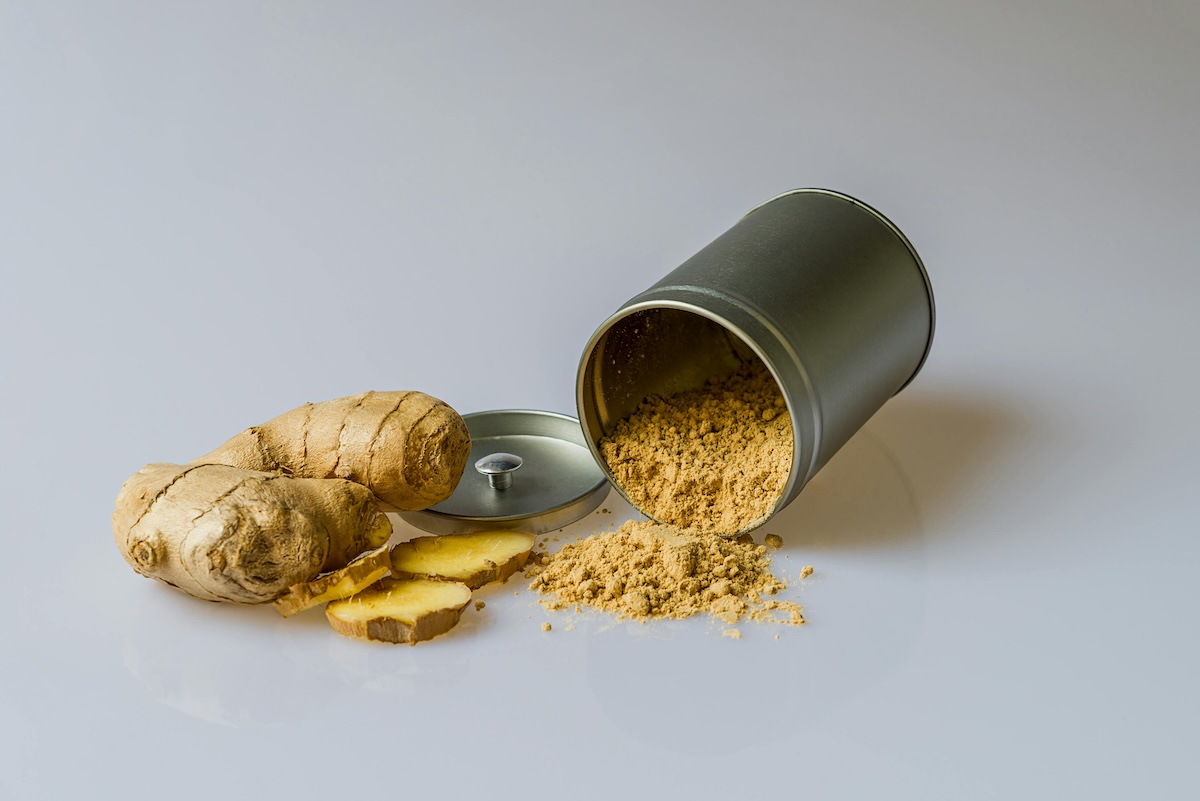
Recent science reveals that whole foods—especially wild, organic, and ancestrally aligned—do more than nourish; they communicate with our cells. Plants like ginger, turmeric, or foraged greens carry signals that influence gene expression, immunity, and repair, a concept supported by research on exosomes and phytochemicals.
Exosomes are tiny vesicles packed with proteins, lipids, and RNA. A 2017 study in Molecular Nutrition & Food Research showed that grape-derived exosome-like nanoparticles survive digestion, modulate gut bacteria, and reduce inflammation in mice (Ju et al., 2017). Similarly, a 2016 study in Journal of Agricultural and Food Chemistry found that ginger nanoparticles alleviate colitis by targeting intestinal cells (Zhang et al., 2016). These findings suggest plants act as guides, activating pathways like Nrf2, which boosts detoxification, per a 2015 Free Radical Biology and Medicine review (Houghton et al., 2015).
Phytochemicals, like sulforaphane in broccoli, also signal cells. A 2014 Epigenetics study showed sulforaphane alters histone modification, enhancing antioxidant defenses (Kaufman-Szymczyk et al., 2014). Berries, rich in anthocyanins, upregulate anti-inflammatory genes, per a 2018 Journal of Nutritional Biochemistry study (Lee et al., 2018). In functional medicine, this reframes diet as a dialogue with nature. Industrial foods—processed and pesticide-laden—disrupt this conversation, sending chaotic signals. Whole foods, grown in living soil, speak clearly, aligning with our focus on personalized nutrition to restore balance.
Rethinking Microbes: Terrain Over Germs
Germ theory, the backbone of modern medicine, casts microbes as invaders to be eradicated with antibiotics or vaccines. While this saved lives, it’s also led to antibiotic resistance, gut dysbiosis, and a fear-driven disconnect from nature. Functional medicine asks: What if microbes reflect the body’s terrain rather than cause disease?
The terrain theory, rooted in Antoine Béchamp’s work, emphasizes internal balance. A 2016 Nature review found that microbial imbalances precede chronic diseases like diabetes and depression, suggesting terrain shapes health (Sonnenburg & Sonnenburg, 2016). Symptoms like fever enhance immune activity, per a 2015 Nature Reviews Immunology article (Evans et al., 2015), while diarrhea clears toxins. These aren’t failures but intelligent responses.
Some hypothesize that virus-like particles—endogenous or environmental—trigger adaptive stress responses, a concept akin to hormesis. A 2019 Cell Host & Microbe study showed that exosomes from stressed cells carry RNA that upregulates immune genes, mimicking viral effects (Tkach & Théry, 2019). In functional medicine, we see symptoms as messages. Supporting the body with rest, nutrients, or herbs like elderberry (shown to modulate immunity in a 2016 Nutrients study; Tiralongo et al., 2016) often resolves illness without suppression.
This challenges fear-based pandemic narratives. COVID-19 outcomes were worse in those with obesity or low vitamin D, per a 2020 JAMA study (Meltzer et al., 2020). Rather than demonizing viruses, we address root causes—poor diet, stress, or toxins—empowering patients to trust their bodies over external controls.
The Microbiome: A Symphony of Symbiosis
The microbiome is a philosophical shift, revealing we’re more microbial than human. With 100 trillion microbes outnumbering our cells, health is a collective effort. A 2018 Nature Reviews Microbiology review found that gut microbes regulate digestion, mood, and immunity via the gut-brain axis, producing 95% of serotonin (Cryan et al., 2018). They also generate short-chain fatty acids like butyrate, which reduce inflammation, per a 2017 Journal of Clinical Investigation study (Koh et al., 2017).
Antibiotics disrupt this harmony, increasing risks of allergies and autoimmunity, as shown in a 2016 Cell study (Blaser, 2016). Even environmental factors like pesticides alter microbial diversity, per a 2020 Environmental Health Perspectives study (Yuan et al., 2020). Functional medicine counters with personalized protocols: fermented foods (kefir, sauerkraut) boost diversity, per a 2021 Cell study (Wastyk et al., 2021); prebiotics like inulin feed beneficial strains; and stress reduction balances the gut-brain axis.
This challenges the myth of separation. We’re not isolated but porous, co-evolving with microbes. It also critiques top-down policies—antibiotic overuse, mass sanitation—that erode microbial richness. The future is pro-symbiosis, honoring microbes as partners, not pathogens.
Water: A Conduit of Vitality
Water is more than hydration; it’s a medium for biological signaling. Research on water’s structure suggests it can influence cellular function. A 2013 Scientific Reports study found that water near cell membranes forms organized layers with unique properties, like enhanced charge separation, supporting processes like protein folding (Disalvo et al., 2013). While controversial, this aligns with claims that natural water—rich in minerals—carries environmental information.
Functional medicine views water holistically. Tap water, often fluoridated or chlorinated, may disrupt terrain. A 2019 Environmental Research study linked low-level fluoride to thyroid issues in iodine-deficient populations (Malin et al., 2019). Mineral-rich water, like that from springs, supports enzyme activity; magnesium aids vitamin D activation, per a 2017 Nutrients study (DiNicolantonio et al., 2017).
We encourage patients to seek filtered water retaining minerals and hydrate intentionally, perhaps with trace electrolytes to mimic ancestral fluids. Paired with sunlight, which boosts cellular energy via mitochondrial signaling (per a 2016 Journal of Photochemistry and Photobiology; Hamblin, 2016), this practice enhances vitality.
Ancestral Diets: The Body’s Native Language
Ancestral diets—raw, seasonal, fermented, foraged—are encoded for human biology. A 2019 American Journal of Clinical Nutrition study found that diets high in fiber, fats, and micronutrients reduce inflammation and improve insulin sensitivity compared to modern diets (Spreadbury, 2019). Fermented foods increase microbial diversity, per a 2021 Cell study (Wastyk et al., 2021), while raw vegetables preserve enzymes for digestion.
Industrial diets—sugar-laden and processed—disrupt this harmony. A 2020 BMJ study linked ultra-processed foods to heart disease and depression (Srour et al., 2020). Functional medicine emphasizes whole foods: sacred fats (avocado, ghee) for cell membranes, mineral-rich salts for adrenals, and greens for phytonutrients. These reawaken resilience, what we call “sovereign immunity”—the body’s capacity to thrive.
Illness: Wisdom, Not War
Reframing illness as an adaptive process is central to functional medicine. Fever enhances phagocytosis, per a 2015 Journal of Immunology study (Mace et al., 2015), while malaise conserves energy. We support these with vitamin C and zinc, which bolster immunity, per a 2017 Nutrients study (Hemilä, 2017), or herbs like elderberry (Tiralongo et al., 2016).
This challenges the war-on-virus mindset. COVID-19 exposed terrain issues—obesity and stress worsened outcomes, per a 2020 Lancet study (Popkin et al., 2020). We address roots—nutrition, movement, toxin reduction—empowering patients to see illness as a teacher guiding them toward balance.
The Path Forward: A Sacred Return
The Great Biological Awakening is a remembering. Food is language, translating soil into health. Microbes are allies, weaving us into nature. Water is vitality, carrying earth’s resonance. Illness is wisdom, inviting us to listen.
This terrifies systems built on control—pharma, agribusiness, centralized policy. But for functional medicine, it’s liberating. We guide patients to eat wildly, hydrate intentionally, and embrace microbes. We honor symptoms, using nutrition, herbs, and rest to support the body’s intelligence.
Science supports this. A 2020 Lancet review found lifestyle interventions—diet, exercise, sleep—reduce chronic disease risk more than drugs (Lean et al., 2020). Yet, resistance persists; fear drives compliance. Our role is to empower, showing health is a relationship—with food, water, microbes, and self.
This awakening calls us to reclaim our place in nature’s web. As functional medicine doctors, we bridge science and spirit, guiding patients home. We are not separate from nature—we are nature, awakening to itself. By listening to its messages, we cultivate health that heals individuals, communities, and the earth.
REFERENCES
- Blaser MJ. (2016). Antibiotic use and its consequences for the normal microbiome. Cell, 165(4), 707–711.
- Cryan JF, et al. (2018). The microbiota-gut-brain axis. Nature Reviews Microbiology, 16(10), 611–624.
- DiNicolantonio JJ, et al. (2017). Magnesium and vitamin D. Nutrients, 9(9), 946.
- Disalvo EA, et al. (2013). Water in biological membranes. Scientific Reports, 3, 2581.
- Evans SS, et al. (2015). Fever and the immune response. Nature Reviews Immunology, 15(6), 335–349.
- Hamblin MR. (2016). Photobiomodulation and mitochondria. Journal of Photochemistry and Photobiology, 161, 198–207.
- Hemilä H. (2017). Vitamin C and infections. Nutrients, 9(4), 339.
- Houghton CA, et al. (2015). Sulforaphane and Nrf2 activation. Free Radical Biology and Medicine, 88, 224–232.
- Ju S, et al. (2017). Grape exosome-like nanoparticles. Molecular Nutrition & Food Research, 61(10), 1600702.
- Kaufman-Szymczyk A, et al. (2014). Sulforaphane and epigenetics. Epigenetics, 9(8), 1099–1106.
- Koh A, et al. (2017). Butyrate and gut health. Journal of Clinical Investigation, 127(10), 3569–3578.
- Lean MEJ, et al. (2020). Lifestyle interventions for chronic disease. Lancet, 395(10238), 1439–1450.
- Lee SG, et al. (2018). Anthocyanins and inflammation. Journal of Nutritional Biochemistry, 51, 1–12.
- Mace TA, et al. (2015). Fever and phagocytosis. Journal of Immunology, 194(8), 3715–3722.
- Malin AJ, et al. (2019). Fluoride exposure and thyroid function. Environmental Research, 175, 135–141.
- Meltzer DO, et al. (2020). Vitamin D and COVID-19. JAMA, 324(13), 1333–1335.
- Popkin BM, et al. (2020). Obesity and COVID-19. Lancet, 396(10255), 873–874.
- Sonnenburg JL, Sonnenburg ED. (2016). Gut microbiota and health. Nature, 535(7610), 56–64.
- Spreadbury I. (2019). Ancestral diets and modern health. American Journal of Clinical Nutrition, 110(4), 789–798.
- Srour B, et al. (2020). Ultra-processed foods and health. BMJ, 368, m322.
- Tiralongo E, et al. (2016). Elderberry and immunity. Nutrients, 8(4), 182.
- Tkach M, Théry C. (2019). Exosomes and immune response. Cell Host & Microbe, 25(4), 471–484.
- Wastyk HC, et al. (2021). Fermented foods and microbiota. Cell, 184(16), 4137–4153.
- Yuan X, et al. (2020). Pesticides and microbiota. Environmental Health Perspectives, 128(6), 067005.
- Zhang M, et al. (2016). Ginger nanoparticles and colitis. Journal of Agricultural and Food Chemistry, 64(38), 7282–7291.