
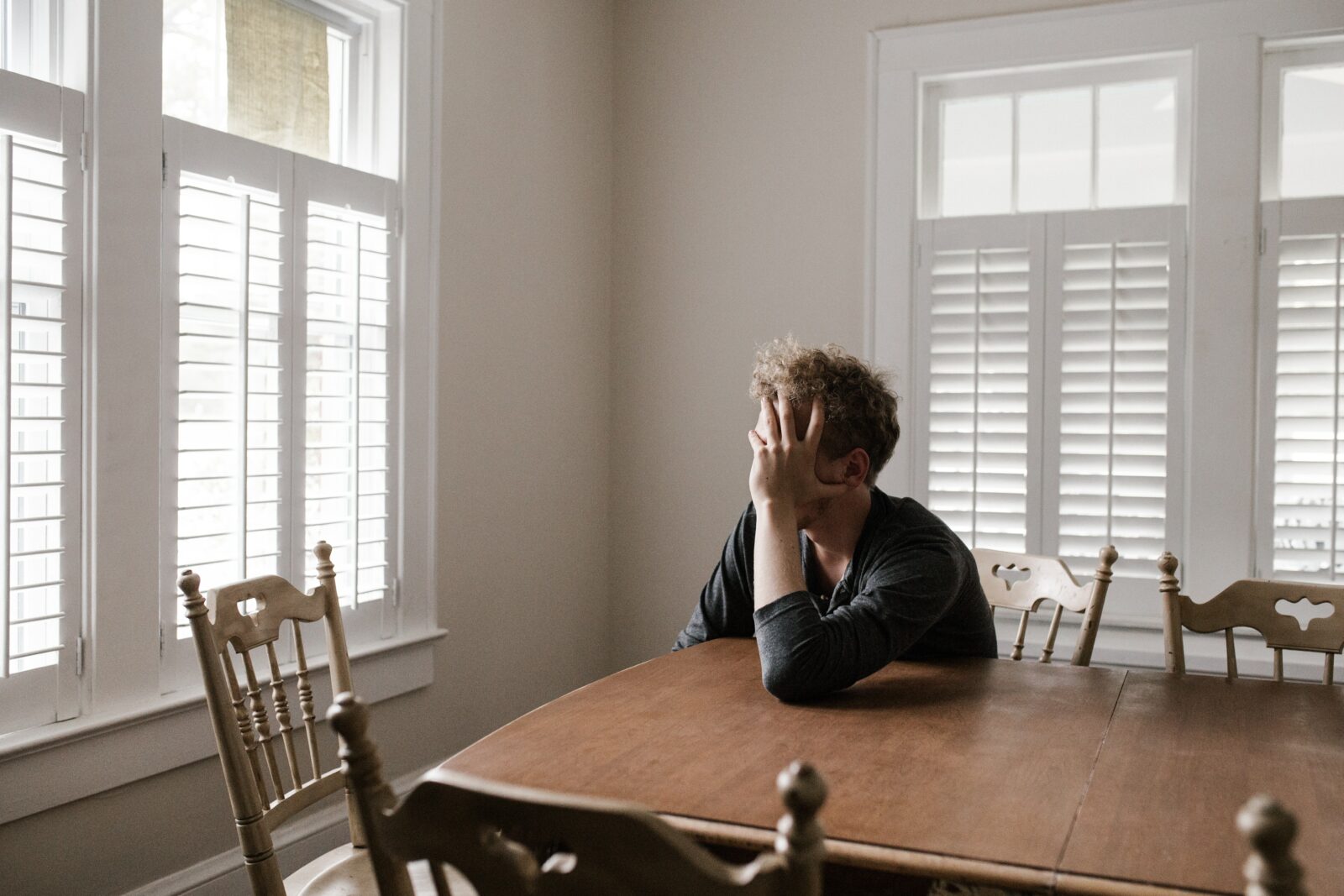
How has the COVID-19 pandemic affected the mental health of people in general? The novel coronavirus can produce a wide array of physical symptoms including fever, chills, cough, sore throat, nausea and vomiting, myalgia, and diarrhea. Severe cases can lead to acute respiratory syndrome, heart and respiratory failure, and sometimes death.
Did the COVID-19 pandemic hurt our psychological well-being?
We now know that the pandemic has also produced a broad range of psychological outcomes at the individual, community, national, and international levels. At the individual level, people are more likely to fear getting sick or dying in addition to feeling helpless or stigmatized by the disease. Early identification in the early stages of a psychological crisis helps to ensure a more efficacious treatment. This impact of fear, anxiety and depression due to the pandemic is found in health care workers and the general public.
While not every person experiences a psychological crisis, the impact stretches across an entire society. Recent evidence shows that individuals who are kept in quarantine and isolation have much higher levels of anxiety, stress, anger, and confusion. These studies are showing symptoms of mental trauma like depression, emotional distress, irritability, mood swings, stress, ADHD, insomnia, anger, and post-traumatic stress. This can be compounded by frequent exposure to media and social media.
Still, accurate measurement of the impact of the psychological and emotional consequences of the COVID-19 pandemic is difficult. Studies coming from China, which was the first country severely impacted by the coronavirus, suggest the fear of the unknown nature of the virus leads to mental disorders.
Due to the pathogenicity of the virus, the rate of spread, the resulting high mortality rate, COVID-19 may negatively impact the mental health of individuals, infected patients, health care workers, families, children, students, and patients with mental illness.
Because of this, several researchers initiated a new, systematic review of existing studies in the field to compile a comprehensive report on the impact of the novel coronavirus on the mental health of the general population. The report reviewed the existing literature on the effects of COVID-19 on the prevalence of anxiety, stress, and depression.
The impact of COVID-19 on the mental health of society
The new report assessed the prevalence of stress and anxiety during the COVID-19 pandemic. The researchers looked at any articles up through May 2020 and used the PRISMA guidelines. The identified 17 relevant articles to examine based on the following criteria
“To investigate the heterogeneity of the studies, the I2 (%) indices for the prevalence of stress (I2: 96.8%), anxiety (I2: 99.3%), and depression (I2: 99.4%) were obtained. Due to the high heterogeneity in the studies, the random effects model was used in the analysis of findings. To examine publication bias in the collected articles, the Egger’s test indices were obtained for the prevalence of stress (p: 0.304) , anxiety (p: 0.064), and depression (p: 0.073), indicating that publication bias was not significant for any of the three clinical symptoms.”
“The prevalence of stress in 5 of the studies with a sample size of 9074 was 29.6% (95% CI: 24.3–35.4). Results of the 5 studies are evaluated by the Depression, Anxiety, and Stress Scale (DASS-21) instrument. The prevalence of anxiety in 17 studies with a sample size of 63,439 was obtained as 31.9% (95% CI: 27.5–36.7). Moreover, the prevalence of depression in 14 studies with a sample size of 44,531 was 33.7% (95% CI: 27.5–40.6).”
What the study found on the impact of COVID-19 on mental well-being
The researchers noted that their work was the first systematic review and meta-analysis on the prevalence of stress, anxiety, and depression in the general population following the COVID-19 pandemic. According to their analysis, the prevalence of stress, anxiety, and depression, as a result of the pandemic in the general population, are 29.6, 31.9, and 33.7% respectively.
The appearance and rapid spread of COVID-19 worsened anxiety in the general population worldwide, which led to psychological disorders in individuals. There may be some evidence that this phenomena also lead to stereotyping and discrimination. The evidence suggested that individuals may experience symptoms of psychosis, anxiety, suicidal thoughts, trauma, and panic attacks due to the unprecedented response to the pandemic. Higher than normal levels of anxiety weakens the body’s immune system, which in turn can increase the risk of contracting the disease.
These responses are much more significant for populations with poorer health conditions. The psychological impact of COVID-19 was much greater in under-developed and developing nations. These countries are typically affected by many other infectious diseases as well. Uncertainty about health status, follow-up of patients, treatment care, and inefficiency in these communities can also increase the vulnerability of such communities to the psychological effects of COVID-19.
Women were at a higher risk of depression and were more vulnerable to stress and PTSD than men. In recent studies, the prevalence of anxiety, depression, and stress during COVID-19 pandemic is shown to be higher in women than in men.
While old age is a critical factor in mortality rates of COVID-19, the levels of anxiety, stress, and depression were much higher in the 21-40 year age group. This group is far more likely to be concerned with the economic impact on their futures. Some researchers have argued that greater anxiety among young people may be due to their greater access to information through social media, which can also cause stress.
During the COVID-19 pandemic, people with higher levels of education had greater levels of anxiety, depression, and stress. According to a study in China, the higher prevalence of mental symptoms among people with higher levels of education is probably due to this group’s high self-awareness in relation to their own health. In addition, anxiety levels are significantly higher in people with at least one family member, relative, or friend who contracted the COVID-19 disease.
Other studies have linked an individual’s medical history and higher levels of anxiety, stress, and depression due to the pandemic. Previous research works show that medical history and chronic illnesses are linked to higher levels of psychological distress. People who have a history of medical problems and are also suffering from poor health may feel more vulnerable to a new disease.
Conclusions by the study authors
The study authors concluded that governments and health officials should provide accurate information on the pandemic, address rumors, and refute misinformation. These activities result in a sense of public security and potential psychological benefits. Governments and health authorities need to ensure that infrastructure is provided to produce and supply adequate amounts of personal protective equipment (PPE), e.g. masks, hand sanitizers, and other personal hygiene products during the COVID-19 pandemic.
The researchers also suggested positivity and optimistic attitudes about the spread of COVID-19 could mitigate the trends in depression and anxiety. They suggested the use of telemedicine and counseling delivered over electronic devices may help promote social stability.
The rise in the number of infections and mortalities is likely to affect the symptoms of depression and anxiety. During the H1N1 epidemic, anxiety reached the highest point at the peak of the epidemic and decreased with its decline.
The research had several limitations. All of the 17 studies were periodic, which would reflect the psychological state of a community over a period of time.
However, psychological states change with the passage of time and changes in the surrounding environment. It is necessary to undertake studies of the psychological impact of the COVID-19 pandemic over longer periods of time to truly assess the negative consequences.
Follow-up studies can be helpful in clarifying the mental state of the population in the future. Although several studies in this meta-analysis have used the same tests for population screening, some of the studies used varying assessment scales.
Final thoughts
The COVID-19 pandemic resulted in a global state of emergency in a very short time. The virus caused considerable harm to the general public health. It also caused a significant number of mental and psychological disorders. This meta-analysis shows the COVID-19 pandemic negatively impacted the mental well-being of individuals and communities. It is vital that those prone to psychological disorders seek help from professionals to develop appropriate strategies and interventions. This will help preserve the well-being of the general population during times of uncertainty and stress.