
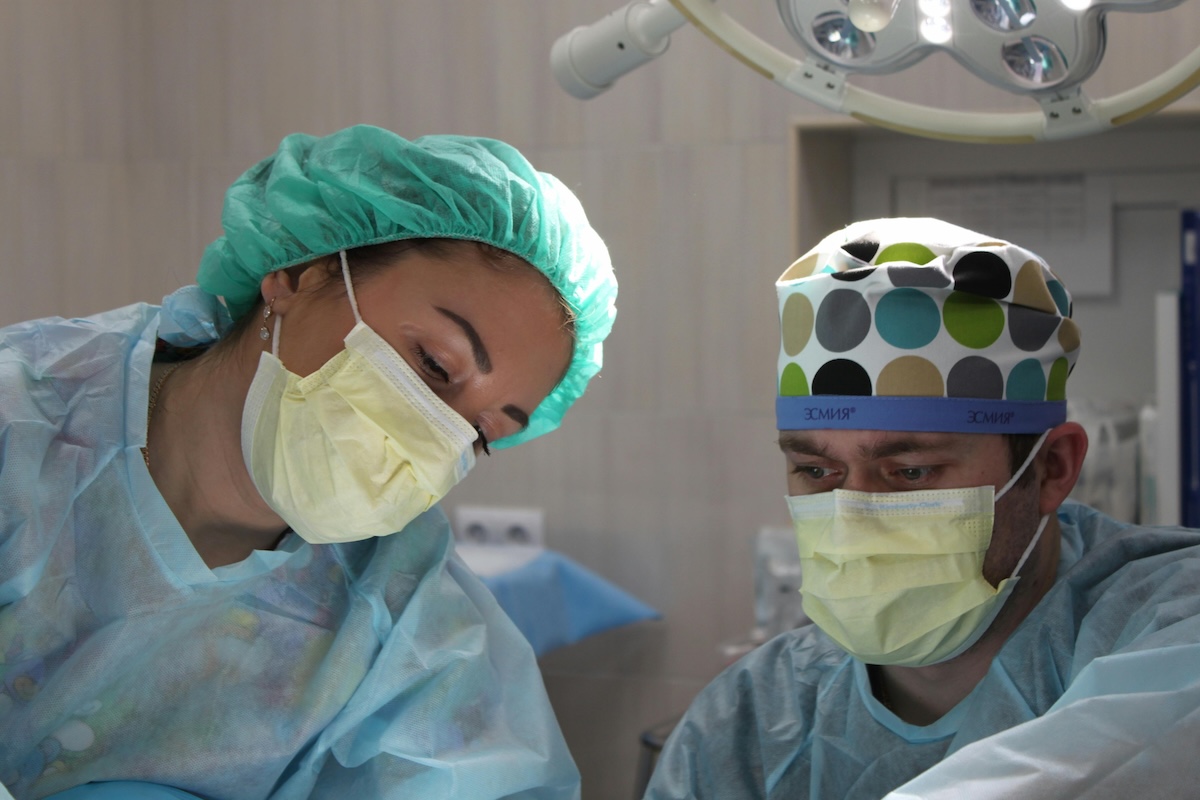
Surgical interventions represent significant milestones in medical treatment, often necessitated by various health conditions ranging from injury repair to disease management. However, the success of these procedures extends beyond the operating room; it hinges on meticulous pre-operative preparation and diligent post-operative care. In this article, we will explore the multifaceted aspects of preparing for surgery and the crucial steps involved in facilitating a smooth recovery process.
1. Preoperative Preparation:
The groundwork laid before surgery plays a pivotal role in determining the patient’s overall surgical experience and subsequent recovery trajectory. Pre-operative preparation encompasses a spectrum of activities aimed at optimizing the patient’s physical, mental, and emotional well-being. Key components of this preparatory phase include:
- Comprehensive medical evaluation: Thorough assessment of the patient’s medical history, current health status, and any pre-existing conditions is essential to identify potential risks and tailor the surgical approach accordingly.
- Patient education and counseling: Equipping patients with relevant information about the surgical procedure, potential risks and complications, pre-operative instructions, and post-operative expectations fosters informed decision-making and can alleviate anxieties.
- Optimization of health parameters: Addressing modifiable risk factors such as smoking cessation, weight management, glycemic control in diabetic patients, and blood pressure regulation contributes to enhanced surgical outcomes and reduces perioperative complications.
2. The Role of Diet in Pre-operative Preparation:
Nutrition plays a fundamental role in preparing the body for surgery and facilitating optimal recovery post-operatively. A carefully curated pre-operative diet regimen can mitigate inflammation, booster immune function, and promote tissue healing. Key dietary considerations include:
- Anti-inflammatory diet: Eliminating inflammatory triggers such as processed foods, refined sugars, gluten, dairy and refined grains forms the cornerstone of pre-operative nutrition. Instead, emphasis is placed on whole, nutrient-dense foods rich in antioxidants and essential nutrients. We have a lot of resources and I even wrote a 28 day anti inflammatory diet overview.
- Macronutrient composition: Adequate protein intake is paramount for tissue repair and immune function. A target of 2 grams of protein per kilogram of body weight from high-quality organic sources such as lean meats, fatty fish, eggs, and legumes is recommended. If you have problems like small bacterial overgrowth or any autoimmune condition then it’s better to avoid protein that comes from legumes. Carbohydrates should predominantly stem from fibrous vegetables and starchy tubers, while healthy fats sourced from olive oil, avocados, nuts, and seeds provide essential fatty acids and support cellular integrity.
- Hydration: Maintaining optimal hydration status is crucial for perioperative well-being. Adequate fluid intake, primarily from water and herbal teas, helps prevent dehydration and supports metabolic processes vital for healing. Water that comes from filtration systems to avoid heavy metals it’s the best option on the market.
3. Incorporating Physical Activity:
Appropriate physical fitness is a cornerstone of surgical preparedness, numerous benefits that extend beyond the operating room. Engaging in regular physical activity enhances cardiovascular health, improves pulmonary function, strengthens musculoskeletal integrity, and bolsters immune resilience. All of this speeds healing time and reduces risks of complications. Pre-operative exercise regimens typically include:
- Aerobic conditioning: Activities such as walking, cycling, swimming, and elliptical training enhance cardiovascular endurance, improve oxygen delivery to tissues, and promote overall stamina.
- Strength training: Resistance exercises targeting major muscle groups increase muscular strength, endurance, and functional capacity. Strength training sessions should incorporate a variety of exercises utilizing free weights, resistance bands, or bodyweight resistance to maximize gains. The more amount of muscle people have, the better surgical outcomes we observe in various studies.
- Flexibility and mobility exercises: Stretching and mobility drills improve joint range of motion, enhance flexibility, and reduce the risk of musculoskeletal injuries. Incorporating dynamic stretches, yoga poses, and foam rolling routines can alleviate muscular tension and improve overall body mechanics.
4. Utilizing Anti-inflammatory Supplementation:
In addition to dietary modifications and exercise, supplementation with targeted nutrients and bioactive compounds can further augment the body’s innate healing mechanisms and mitigate perioperative inflammation. Most supplements will need to be discontinued a few days prior and after surgery as many can increase bleeding. Key supplements with proven anti-inflammatory properties include:
- Omega-3 fatty acids: EPA and DHA, found abundantly in fatty fish and fish oil supplements, exert potent anti-inflammatory effects and support cardiovascular health. Eat sardines at least 3 times a week and supplement with extra omega 3 at least a month prior surgery and during a month after.
- Turmeric (Curcumin): This bioactive compound derived from the turmeric root exhibits robust anti-inflammatory and antioxidant properties, promoting tissue healing and reducing post-operative pain and swelling.
- Proteolytic enzymes: Serrapeptase and nattokinase are proteolytic enzymes that assist in the breakdown of inflammatory proteins, facilitating tissue repair and reducing scar formation. These are particularly helpful post operative and need to be taken on an empty stomach to be effective.
- Vitamin D3 with K2: Adequate vitamin D levels are essential for immune function, bone health, and wound healing. Vitamin K2 complements vitamin D by directing calcium deposition to bones and preventing vascular calcification.
- Multivitamin supplementation: A comprehensive multivitamin containing essential micronutrients such as B vitamins, zinc, magnesium, and selenium supports overall health and fills potential nutrient gaps in the diet.
- Vitamin C: As a potent antioxidant, vitamin C scavenges free radicals, supports collagen synthesis, and enhances immune function. Supplementation with vitamin C aids in wound healing and reduces the risk of postoperative infections.
- Homeopathic Remedies: Classic remedies for post surgical support are Arnica 200c/1m, Hypericum 200c/1m, which cover the bruise sensation and nerve pain, respectively. These can be started immediately after surgery as there is no interaction with medications/anesthesia and can enhance the healing forces of the body.
5. Maintaining Stable Blood Sugar Levels:
Achieving and maintaining stable blood sugar levels is essential for optimizing surgical outcomes and facilitating a smooth recovery process. Fluctuations in blood glucose levels, characterized by spikes and subsequent crashes, can adversely impact immune function, exacerbate inflammation, and impede wound healing. Therefore, implementing strategies to regulate blood sugar levels before and after surgery is crucial for supporting optimal recovery.
The Role of Blood Sugar Regulation in Surgical Recovery:
- Immune Function: Elevated blood sugar levels can compromise immune function, impairing the body’s ability to mount an effective defense against pathogens and foreign invaders. By maintaining stable blood sugar levels, the immune system can function optimally, reducing the risk of postoperative infections and complications.
- Inflammation Management: High levels of glucose in the bloodstream have been linked to increased inflammatory markers and heightened systemic inflammation. Chronic inflammation impedes the healing process and can lead to delayed wound healing, prolonged recovery times, and a higher risk of postoperative complications. By stabilizing blood sugar levels, the inflammatory response can be kept in check, facilitating a more efficient recovery process.
Strategies for Blood Sugar Control: - Dietary Modifications: Adopting a low-glycemic diet rich in whole, unprocessed foods can help regulate blood sugar levels and minimize postprandial spikes. Emphasizing lean proteins, fibrous vegetables, healthy fats, and complex carbohydrates can promote steady glucose release into the bloodstream, preventing abrupt fluctuations.
- Timing of Meals and Snacks: Spreading out meals and snacks evenly throughout the day can help prevent drastic fluctuations in blood sugar levels. Consuming smaller, more frequent meals can maintain metabolic stability and provide sustained energy levels, supporting the body’s healing processes.
- Monitoring Carbohydrate Intake: Limiting the consumption of high-glycemic carbohydrates and refined sugars can prevent rapid spikes in blood glucose levels. Instead, opting for nutrient-dense carbohydrates such as whole grains, legumes, and root vegetables can provide a steady source of energy without causing sharp increases in blood sugar.
- Physical Activity: Engaging in regular physical activity can enhance insulin sensitivity and improve glucose metabolism, contributing to better blood sugar control. Incorporating aerobic exercise, strength training, and flexibility exercises into the preoperative and postoperative regimen can help regulate blood sugar levels and promote overall well-being.
6. Post Operative Recovery Strategies:
The period following surgery is characterized by a heightened need for supportive care and targeted interventions to facilitate optimal healing and minimize complications. Post-operative recovery strategies encompass a spectrum of modalities aimed at enhancing tissue repair, alleviating discomfort, and promoting functional restoration. Key components of post-operative recovery include:
- Light therapy: Red light therapy, supplemented with near-infrared (NIR) wavelengths, accelerates wound healing, reduces inflammation, and mitigates pain. By stimulating mitochondrial activity and promoting cellular repair processes, light therapy enhances tissue regeneration and minimizes scarring.
- Continued supplementation: Maintaining a regimen of anti-inflammatory supplements post-operatively sustains the body’s healing momentum and supports long-term recovery. Omega-3 fatty acids, curcumin, and proteolytic enzymes help manage inflammation and optimize tissue repair mechanisms.
- Protein supplementation: Adequate protein intake remains paramount during the postoperative phase to support tissue regeneration, collagen synthesis, and immune function. Organic protein powders, sourced from plant or animal-derived sources, offer a convenient means of meeting increased protein requirements in the early stages of recovery. It is crucial that protein that comes from a vegan source it’s tested to avoid possible heavy metal toxicity. Remember that you need 2 grams per kg of weight to reach the amount of protein that you need during this process.
- Scar management: Employing adjunctive therapies such as massage with rosehip oil, castor oil and/or Vitamin e minimizes scar formation and promotes optimal wound healing. Targeted interventions such as neural therapy, which involves injecting procaine around scar sites, can mitigate neuropathic pain and improve tissue mobility.
- Castor oil packs: Using castor oil packs after the external scar is healed will increase blood flow in the internal scar to help avoid adherences and pain from the surgery scarring.
In summary, meticulous pre-operative preparation and comprehensive post-operative care from at least one month before surgery until at least one month after, are indispensable components of the surgical journey, influencing patient outcomes and long-term prognosis. By adopting a holistic approach that integrates dietary modifications, physical activity, targeted supplementation, and adjunctive therapies, patients can optimize their surgical experience and return to their normal lives as soon as possible!
Each surgery type is unique so some of the recommendations may be slightly different depending on invasive or laparoscopic for instance. Physical Therapy is likely a part of any larger surgical procedures in addition to the above recommendations. Always check with your surgeon and general physician/naturopathic doctor to verify safety.