
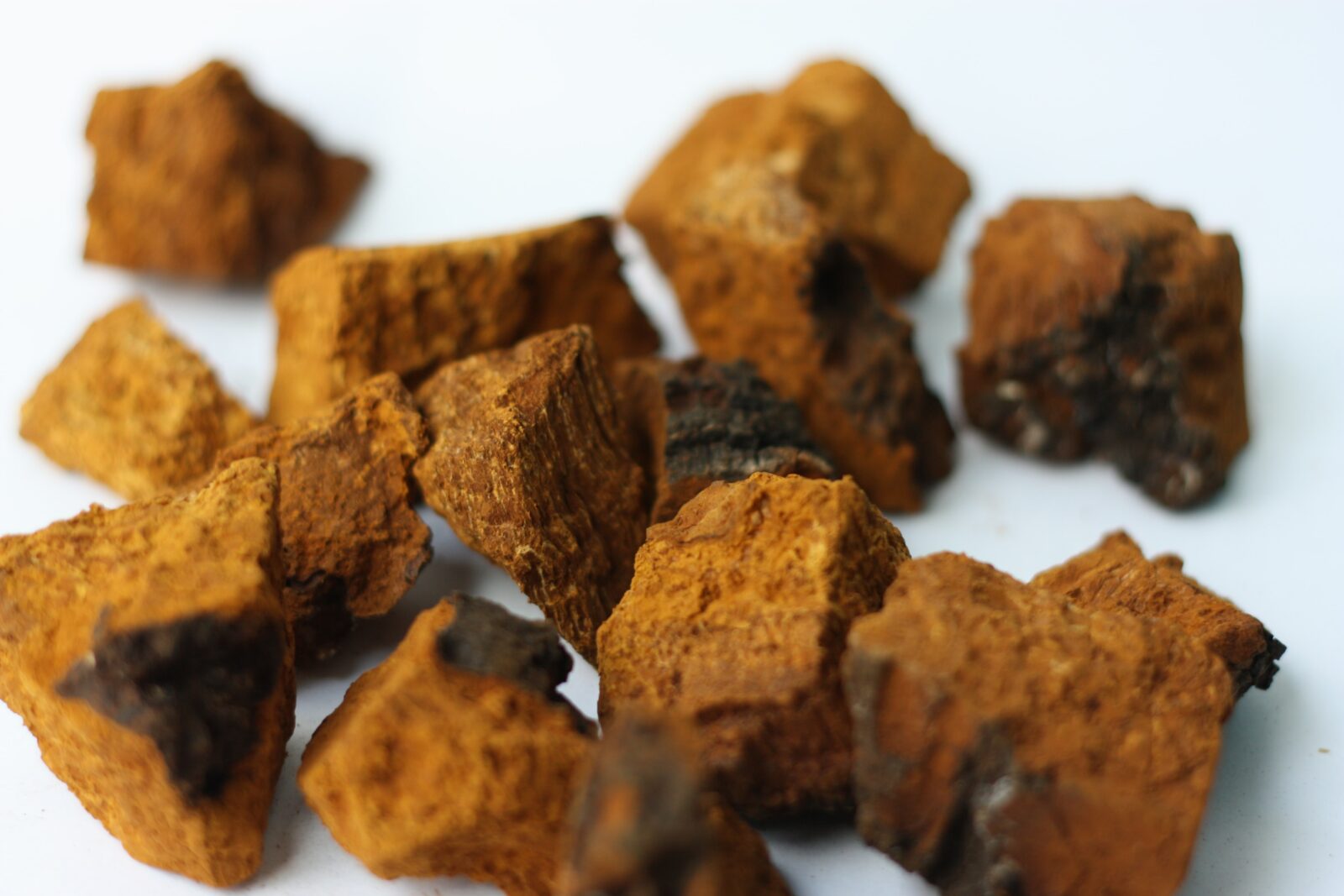
These unpalatable fungi, known as chaga mushrooms, establish themselves as parasites on birch trees, but they’re esteemed for their therapeutic attributes, encompassing immunomodulatory, antiviral, and antidiabetic effects.
Chaga mushrooms may not possess the most alluring appearance among fungi, nor are they particularly flavorful. Nevertheless, when evaluating their medicinal worth, chaga mushrooms reign supreme. Commonly consumed as tea due to their bitter taste, chaga (Inonotus obliquus) is a tree parasite that gradually decomposes the trunks of trees.
Predominantly discovered on birch trees, this black-brown fungus typically infects trees aged between 30 to 50 years and can persist on their trunks for an additional 80 years, producing a conk that resembles rust-colored charcoal. Chaga mushrooms have held value since ancient times, with historical records of Hippocrates employing chaga infusions for wound cleansing.
In the 12th century, chaga was prized for its anti-inflammatory, antiparasitic, and gastrointestinal attributes, and was recommended for addressing heart and liver conditions. Later on, chaga became renowned for its potential anticancer and antitumor properties, which are actively investigated to this day, along with its potent antibacterial, antioxidant, immune-boosting, and antiviral capabilities.
Primary Advantages of Chaga Mushrooms for Health
Even if mushrooms aren’t your preferred choice, you can harness the benefits of this remarkable medicinal fungus by incorporating chaga powder into your coffee, tea, or smoothies. Chaga is also available in extract and supplement forms, offering an impressive array of health advantages. A total of 71 diseases that may be influenced by chaga, alongside 63 of the mushroom’s pharmacological actions.
Enhance Immune Function
Chaga mushrooms contain polysaccharides with diverse biological effects, including anti-cancer, anti-inflammatory, antiviral, and antioxidant properties, as well as immunomodulation. Chaga may regulate immune responses by modulating the secretion of immune cell cytokines and antibody production.
In particular, chaga’s water-soluble polysaccharide ISP2a has demonstrated immune-enhancing effects in mice with tumors, promoting the proliferation of white blood cells and increasing the production of tumor necrosis factor, a potent anti-inflammatory agent. ISP2a is believed to act as a natural immunomodulatory substance with potential anti-tumor properties.
Counteract Viral Infections
Chaga exhibits robust antiviral activity, inhibiting the infectivity of pandemic influenza virus and the antiviral drug Tamiflu in mice. It’s also effective against various feline viruses and human viruses such as herpes simplex virus 1, HIV type 1, and hepatitis C.
In a study, chaga extract significantly halted or suppressed the replication of hepatitis C virus, leading researchers to conclude that “I. obliquus has an antiviral effect and may be useful in treating viral infections.”
Anticancer Benefits
Chaga’s potent immunomodulatory effects position it as a potential anti-cancer agent. Its antitumor and immunologic impacts have led many cancer patients to incorporate chaga mushrooms as complementary therapy. Chaga extract induces autophagy, the process by which the body eliminates damaged cells to make room for new ones.
Chaga extracts have shown the ability to inhibit the proliferation of human gastrointestinal tumor cell lines, as well as cell lines related to human breast, lung, colon, myeloid leukemia, and cervical cancer. Notably, chaga reduces tumor cell growth and movement without causing significant harm to healthy cells. In a mouse study, continuous consumption of chaga extract curbed cancer advancement, resulting in a 60% reduction in tumor size and a 25% decrease in nodules among metastatic mice.
A separate study highlighted the strong antitumor activity of chaga mushroom and bamboo leaf extracts, suggesting that its anti-cancer effects might be attributed to activating innate immunity.
Support for Diabetes Management
Chaga polysaccharides exhibit noteworthy antidiabetic effects, as demonstrated in animal studies showcasing their ability to lower fasting blood glucose levels, improve glucose tolerance, and mitigate insulin resistance. In one study, chaga extract administered to mice at a dose of 250 milligrams per kilogram of body weight demonstrated significant antidiabetic effects, while a dose of 500 mg/kg showed effects comparable to the diabetes drug metformin.
Is Chaga a Suitable Daily Tonic?
Debate surrounds the question of whether chaga mushrooms should be adopted as a daily tonic or reserved for specific health conditions. Anecdotal accounts of improved digestion and mental tranquility resulting from daily chaga consumption exist, yet some herbalists propose using it as a supplementary therapy when needed.
Concerns also linger about potential overharvesting of this valuable medicinal resource, as chaga reproduces only after the host tree’s demise. Harvesting chaga conks prior to this stage could jeopardize its reproductive capacity. While Alaska imposes a loose limit of 10,000 pounds of chaga and other conks per individual annually, reports suggest exploitation of this regulation.
As of now, The Global Fungal Red List classifies chaga as a fungus of “least concern,” indicating that it remains abundant in numerous regions without indications of decline.