
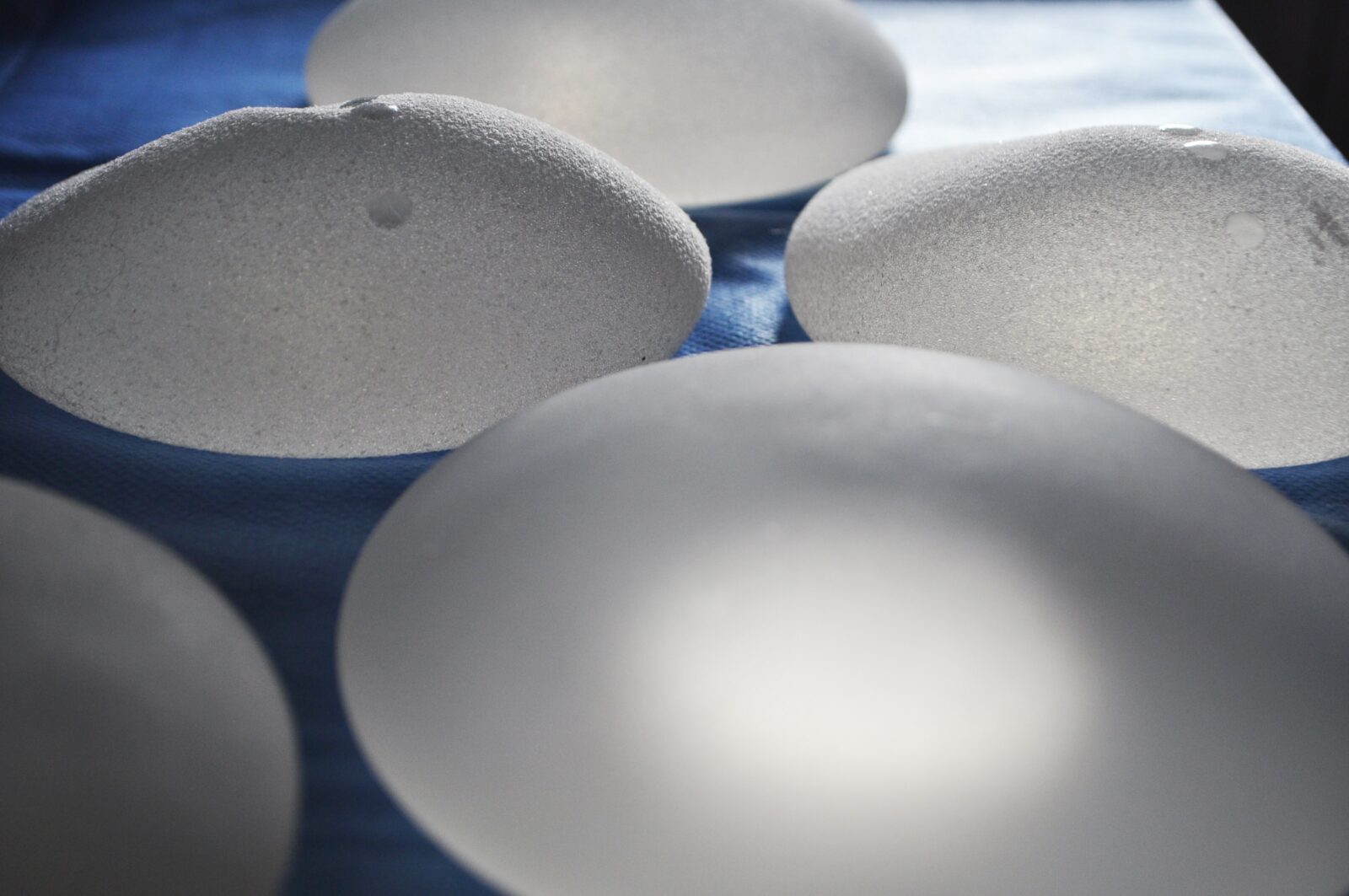
Nearly 400,000 women in America undergo breast augmentation surgery. Some surgeries are for reconstruction after breast cancer treatment, while others are for cosmetic reasons. In fact, breast implant surgery is one of the most popular cosmetic procedures.
Unfortunately, thousands of those women develop health problems and systemic illnesses that they believe were caused by breast implants.
This phenomenon is so common that those who suffer from the illness have named it Breast Implant Illness (BII). Many doctors and researchers note that there is no definitive link between the implants and the health conditions. So, does that mean no proof exists at all?
What is breast implant illness (BII)?
Breast implant illness describes an array of autoimmune symptoms that may be caused by breast implants. It is not a recognized medical diagnosis. Women with BII may experience a broad range of symptoms that result in the diagnosis of multiple autoimmune disorders like Rheumatoid Arthritis, Scleroderma, Lupus, and Polymyositis or Dermatomyositis.
The symptoms rarely appear as a specific autoimmune disorder. Occasionally, the symptoms appear within a year of receiving breast implants. However, most cases occur much later, and many women wait until the symptoms become severe before seeking medical care.
Commonly reported symptoms include:
- Anxiety
- Chest pain
- Chronic fatigue
- Cognitive impairment, brain fog, memory loss
- Depression
- Discoloration of hands or feet
- Dry skin and/or hair
- Hair loss
- Headaches
- Hormonal Issues
- Inflammation
- Joint pain
- Migraines
- Muscle pain, myalgias
- Numbness or tingling in upper and lower limbs
- Rashes
- Recurring infections
- Sensitivity to light
- Shortness of breath
- Sleep Disturbances
- Vertigo
If so many women experience symptoms after breast implant surgery, how did the FDA approve them? FDA approval means that they are safe.
When the FDA investigated the safety of breast implants, it relied on studies that had major flaws in the processes or were not completed. Many of the clinical trials followed the women for a few months or a few years. However, autoimmune disorders typically take longer to develop. Long-term studies are necessary to make an accurate judgment on the safety issues. The FDA continues to assert that they have not found a relationship between silicone gel-filled breast implants and breast cancer, connective tissue disease, or reproductive problems.
The FDA’s official statement is this:
In order to rule out these and other complications, studies would need to be larger and longer than these conducted so far.
Many of the studies included women who were hospitalized for a condition. Few of the women received an official diagnosis. This creates a problem for the studies since very few people are hospitalized for an autoimmune disorder. In addition, the short period of study means that women who developed problems years later were excluded from any clinical investigation. The studies also excluded women who had a previous history of autoimmune diseases, so it is impossible to know the effect of a breast implant on the health of a woman with an existing autoimmune disease.
Does the research prove that BII is real
A 2017 study by Jan Cohen Tervaert, et. al. discussed recent findings which show that patients with silicone breast implants may be more likely to have autoimmune/inflammatory syndrome by adjuvants (ASIA), allergies, autoimmune diseases, immune deficiencies, and lymphomas. They concluded that “Silicones can migrate from the implant through the body and can induce a chronic inflammatory process.”
A 2018 study by Abdulla Watad, et. al. analyzed the link between silicone breast implants and autoimmune disorders. They found that silicone breast implants seem to be associated with a higher likelihood of being diagnosed with an autoimmune or rheumatic disorder. Sjögren’s syndrome, systemic sclerosis (scleroderma), and sarcoidosis were the disorders most highly associated with silicone breast implants. Common symptoms of Sjögren’s syndrome are dry mouth and eyes but it can also affect your joints, lungs, kidneys, blood vessels, digestive organs, and nerves. Scleroderma causes your body to produce too much collagen, which may cause many symptoms including thickening skin, hair loss, and joint pain. Sarcoidosis most often causes a persistent dry cough, fatigue, shortness of breath, and painful joints.
Other studies support the possibility that silicone breast implants do cause autoimmune diseases and symptoms. This includes the largest study of long-term safety for patients with breast implants conducted by The University of Texas MD Anderson Cancer Center.
In addition, around 70% of women who have their breast implants removed have a significant reduction in their symptoms.
More risks linked to breast implants
The FDA lists 26 possible complications of breast implant surgery, including rupture, infection, and necrosis. The agency states: “the longer you have breast implants, the more likely it is that complications will occur and you will need to have them removed.”
They recommend that people with silicone implants have an MRI every two years to check for rupture, and also briefly mention the need for more research to determine whether there is an association between autoimmune connective tissue diseases or BII and breast implants.
Another major health risk is a cancer called breast implant-associated anaplastic large cell lymphoma (BIA-ALCL). This cancer develops in the immune system of women who have had breast implants. In fact, the risk is so high with certain types of implants that earlier this year the FDA requested that one company, Allergan, voluntarily recall their textured breast implants. Worldwide, there were 573 cases of BIA-ALCL and 481 of the patients had Allergan breast implants at the time of diagnosis.
How can that high percentage of women with BIA-ALCL develop this cancer from one company’s product if it is being appropriately tested before reaching the market? If implants can cause cancer of the immune system, does that mean implants can cause other immune disorders? The evidence is mounting to prove that breast implants can indeed cause immune disorders and cancer.
For many women, the benefits outweigh the possible consequences of breast implants. It is an intensely personal choice but, when it comes to your health, you need to make an informed decision.