
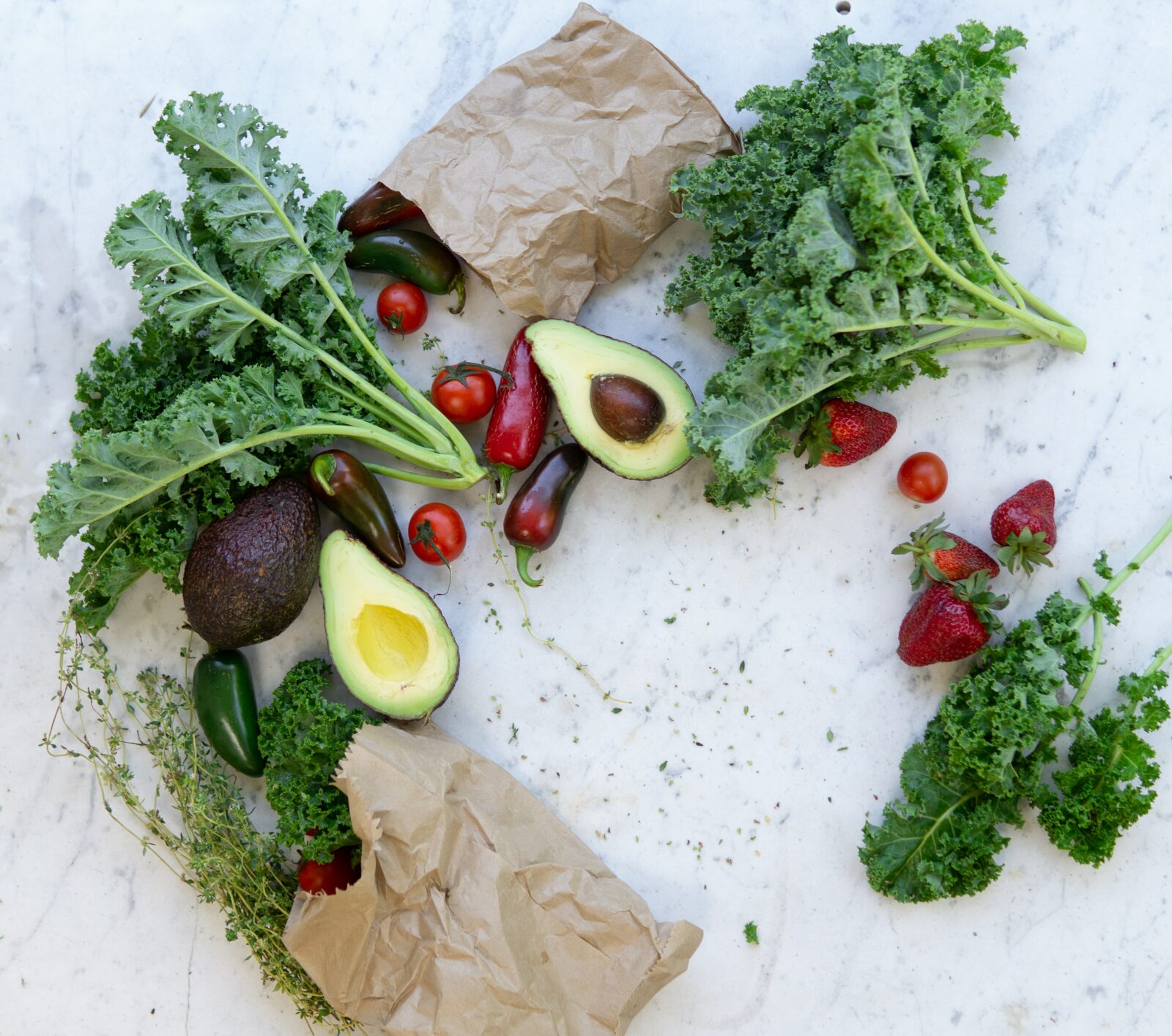
Eating organic is a practice more and more people are adopting. A 2019 report from the U.S. Department of Agriculture stated that sales from U.S. organic were over $9.9 billion. While total produce sales were $71 billion, organic sales are growing. They increased 31% between 2016 and 2019.
Whether you want to eat a healthier diet, avoid pesticides, or have concerns for the environment, you will find plenty of positive reasons to switch to organic foods. Here are just a sample of the reasons to make the change.
Avoid GMOs
Genetically modified organisms, (GMOs) are in over 75% of processed foods sold in the U.S. The United States and Canada have no mandatory labeling for GMO products. At least 64 countries in Europe and elsewhere require GMO labeling, and other countries have banned GMO farming. The best way to avoid GMOs in the United States is to choose certified organic foods.
Why are GMO foods so controversial? Because over 90% are engineered to survive the weed killer, Roundup. Roundup contains glyphosate, which is the most heavily used herbicide in U.S. agriculture. Over 300 million pounds of Roundup are applied to U.S. crops each year.
The World Health Organization recently classified glyphosate as a “probable carcinogen to humans.” And, the continued heavy use has produced environmental disasters like superbugs and superweeds. Organic foods cannot be grown with GMO seeds, nor can processed organic foods use GMO ingredients. Certified organic foods are non-GMO.
Nutrition
Plants that are grown in healthy soil on organic farms frequently have higher levels of key vitamins, minerals, and antioxidants. One research study found that organic milk has significantly higher concentrations of heart-healthy fatty acids versus milk from modern managed dairy farms. Organic farming can improve the fertility of the soil, thus leading to more nutritious foods.
Hormones and Antibiotic Usage
Dairy cows that produce organic milk do not receive hormones like recombinant bovine growth hormone (rBST), which has shown to increase insulin levels in humans. In addition, studies show that over 90% of the pesticides that Americans consume come from meat and dairy products. According to the Consumers Union, about 80% of the antibiotics sold in the U.S. are used in poultry and meat production. An increasing number of scientists warn that excessive use of antibiotics in animal feed will lead to bacteria that are resistant to antibiotics. Organic meat and dairy cannot be produced with antibiotics and growth hormones.
Food Security
A food-secure future requires mindfulness in our actions and how we treat our ecosystem. Over 600 chemicals are registered for agricultural use in the U.S., and billions of pounds per year are used. The average application works out to 16 pounds of chemicals per U.S. citizen, per year.
The dying off of pollinators due to modern agricultural practices is threatening the global food supply. The United Nations has issued a report warning countries to protect pollinators in order to protect the global food supply. The food industry in America is over $1 trillion, and it is heavily chemical-dependent. The result is our declining health. By choosing organic foods, you are choosing healthier practices for you, your family, and the earth.
Environmental Health
David Pimentel, an entomologist at Cornell University, estimated that a minuscule 0.1% of applied pesticides reaches the targeted insects. The other 99% impacts the environment, farmland, and waterways through contamination. One of the most significant environmental harms is the loss of quality soil. Many organic farmers grow bio-diverse crops rather than the industrial monoculture model, which depletes the soil.
Organic management practices, such as crop rotation, substantially enhance soil quality and restore nitrogen and organic components. In short, chemically produced food is damaging our soil.
Safer Drinking Water
Chemical runoff contaminates drinking water. Applying greater quantities of pesticides increases the challenge of preserving water quality.
The Dead Zone in the Gulf of Mexico, an area of low oxygen that can kill fish and marine life, is the most graphic example of the enormous harm caused when farm chemicals, flowing off of millions of acres, collect in the Mississippi River. Chemically dependent agriculture damages our drinking water and harms our waterways and oceans.
Health Risks
Chemical pesticides that kill insects are also causing harm to your health. But it doesn’t just stop with harming you; pesticide, herbicide, and chemical fertilizer usage pose health risks to farmers and farmworkers. Pesticides ingested by pregnant women have been linked to birth defects and deformities. Studies have also shown that some herbicides and pesticides stimulate the growth of breast cancer cells and cause mammary cancer in rats.
In order to be certified organic, farmers may not use synthetic persistent chemicals, sewage sludge, irradiation, animal cloning, or genetic engineering. The USDA organic seal guarantees that farmers abide by these standards. By eating organic, you will dramatically reduce the amount of pesticide residue you ingest on a daily basis, thus reducing your risk for diseases.
Biodiversity
Our environment teems with wildlife and soil organisms, and each has a key role in the health of our planet. The decline of birds, bees, and other pollinators has been linked to chemical pesticides used in modern farming.
Organic farms typically have about 30% more wildlife species than modern farms. Researchers from the University of Oxford and from Sweden and Switzerland conducted a meta-analysis of approximately 100 studies. It concluded that 75% of the genetic diversity of agricultural crops was lost in the past century.
In addition, processed foods are using more foods from genetically engineered seeds. Mixing genes from different species makes GMO crops unique. This is why producers have been able to patent these crops. It’s impossible to create such transgenic organisms through traditional crossbreeding methods. Genetically engineered crops haven’t been thoroughly tested by independent scientists for long-term health and environmental consequences. Genetically engineered foods also contaminate non-GMO and organic crops, which can wipe out organic and heirloom seeds permanently.
Final Thoughts
Choosing organic is making a conscious, mindful effort to improve our food supply, our health, and the health of our planet. The organic marketplace is growing making it easier than ever to find clean produce in the grocery store. Look for the green and white circular USDA Organic label. Organic produce often times has a 9 at the start of the PLU numbers on the sticker or simply look for signs and labels that say “organic.” You can grow your own organic food, buy direct from a farmer at a farm stand, farmers market, or opt for a community-supported agriculture (CSA) program in your community. As demand increases, the supply will increase, which should bring down the prices.