
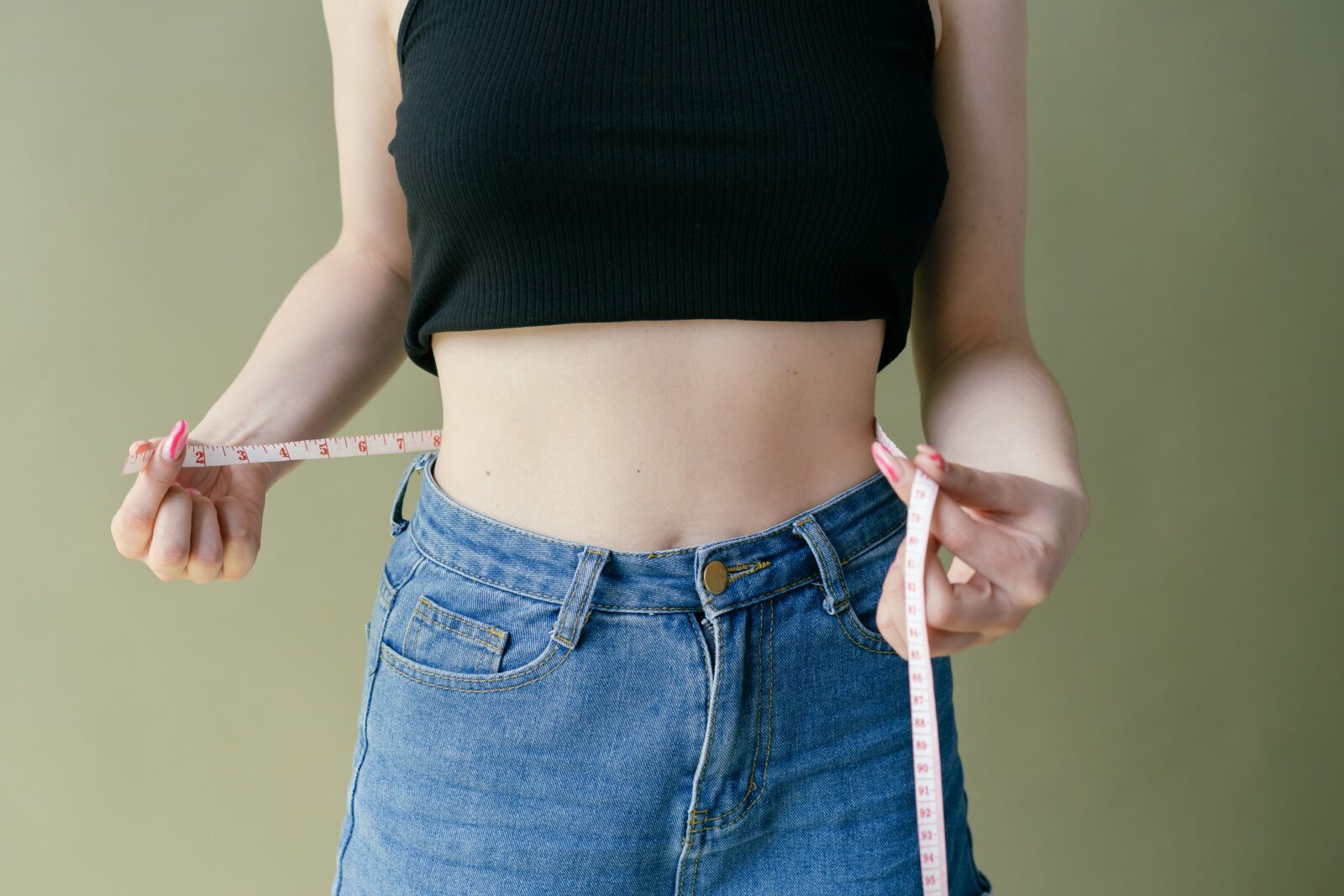
America has known about its weight problems for years. But while American obesity makes the headlines, the World Health Organization reports that obesity is increasing worldwide. In fact, obesity is an increasing problem for even children and young adults.
According to the WHO, nearly 2 billion adults were overweight or obese worldwide in 2016. The number has tripled since the 1970s. This trend is increasing. Even prior to the pandemic lockdowns, global public health policies encouraged people to stay home to stay safe, which has only made the problem worse.
Data collected by the Centers for Disease Control and Prevention shows that the obesity rates in 16 states are 35% or higher. Lower activity rates, emotional stress, and fear of going outside are contributing to America’s obesity problem.
While many who are overweight enjoy good health, being overweight or obese can impair fertility, cause back and joint pain, and even interfere with proper lung functioning. According to Harvard School of Public Health, people who are obese are at increased risk of arthritis, cancer, diabetes, heart disease, depression, and other mood disorders. And we know that obesity is linked through peer-reviewed studies to poor outcomes in COVID-19 cases.
Toxic chemicals may be making you fat
Causes of weight gain can be complex. They may be grounded in food choice, genetics, cultural preferences, a history of trauma, psychological disorders, lifestyle, and exposure to advertising among other factors.
Another factor is gaining more interest, and medical doctors and scientists are beginning to study the issue more closely: certain toxic chemicals can be so disruptive to human health that they actually promote obesity. These chemicals, called obesogens, are thought to disrupt our hormones and change the way we make, store, and metabolize fat.
When we are exposed to obesogens, even if we eat a moderate number of calories, exercise daily, and maintain an active lifestyle, it’s very difficult, if not impossible, for our bodies to maintain a healthy weight.
Researchers have conducted experiments with genetically identical animals, feed them identical diets, and change their weight by introducing various substances such as antibiotics. Antibiotics are considered obesogens and are used heavily by ranchers to help their livestock gain weight.
Obesogens in our environment
There are many toxic chemicals in our environment. Below is a list of the most common that you should avoid.
Glyphosate: The active ingredient in the herbicide Roundup, glyphosate has been found to be responsible for a host of health issues. Most notably, it increases the risk of non-Hodgkin’s lymphoma, a cancer of the blood. Several studies have also linked glyphosate to obesity, both directly and indirectly.
In one particularly interesting study, published in the journal Nature in 2019, scientists at Washington State University found that pregnant rats that were exposed to very low doses of glyphosate had offspring for several generations with severe health problems, including damaged ovaries and testes, malformed kidneys, and high rates of obesity.
Bisphenol-A: BPA is a chemical used in plastics that is known to be an estrogen disruptor.
Several scientific studies—in both humans and mammals—have linked BPA exposure with obesity and unwanted weight gain. This common chemical has been linked to a variety of other health problems, including thyroid disorders, diabetes, and cancer.
Many of the compounds used to replace BPA have turned out to be even more problematic. When a research team tested BPA alternatives, it found “some of the BPA alternatives were actually more potent than BPA itself in activating the estrogen receptor,” according to the EPA.
Atrazine: A widely used herbicide in the United States, atrazine was banned in Italy and Germany in 1991. In 2003, the European Union announced it would no longer be allowed because of “ubiquitous and unpreventable water contamination.”
Atrazine isn’t only dangerous to plants, it has been linked to birth defects and endocrine disruption.
In 2009, a team of Korean scientists uncovered that atrazine damages the mitochondria (the organelles in our cells that are responsible for giving us energy), decreases metabolism, and increases insulin resistance and abdominal obesity.
Organotins: These chemicals are used in industry to preserve wood, inhibit the growth of organisms on the hulls of ships, and as industrial fungicides. Because of the widespread use of organotins such as tributyltin in the shipping industry, many waterways are contaminated with it. It was found to have “severe effects on marine life including inducing imposex, which resulted in reproductive deficiencies,” notes an article in Toxicoepigenetics.
Studies have associated organotins with fatty liver disease, increased fat cells during gestation, and kidney problems. Organotins are still found in the ocean, which means it also shows up in fish prepared for human consumption.
IPFOA: Perfluorooctanoic acid (PFOA) is the chemical found in Teflon pans and also in microwave popcorn and many other packaged foods. PFOA and other chemicals like it are also found in drinking water.
In November 2021, the Environmental Protection Agency announced that PFOA likely causes cancer and that harm to human health can occur at much lower levels than previously believed. A study done in 2007 by scientists based in Atlanta found that more than 98 percent of Americans tested had these chemicals in their blood.
Phthalates: These chemicals are plasticizers, used to soften plastic and make it more pliable. Phthalates are used in many different consumer products including food storage containers, pharmaceuticals, paint, shower curtains, and even make-up and other cosmetics. Your antiperspirant, hair spray, lotion, nail polish, and shampoo likely contain phthalates.
Phthalates, like other obesogens, can disrupt your hormones, affect your metabolism, and cause unwanted weight gain. Several studies, including some done of pregnant women and children, have found that the higher levels of phthalates you have in your body the more likely you are to be obese.
How to avoid toxic chemicals that can lead to weight gain
If you are struggling to lose excess weight, it may be that your metabolism has been impaired by toxic exposure. If you are struggling to lose weight despite restricted calories and adequate exercise, you may want to assess your exposure to obesogens. You should deliberately avoid endocrine-disrupting chemicals in your food, water, medicine cabinet, and beauty products.
Eat real food
Eat only real, whole, healthy, fresh food. Try to buy fresh food that is organically grown, even if it is more expensive, as much as you can. Alternately, get your food directly from local farmers who don’t spray their fields with obesogens or other toxic chemicals.
Reduce plastic use
Replace plastic food storage containers with glass containers. Change out plastic sandwich bags for cloth or paper sandwich bags. Buy nut butters and jams, preferably organic, in glass jars instead of in plastic. You can also bring your own glass container to many natural food stores and grind the peanuts or almonds into butter on demand.
Don’t microwave any food that has a plastic film or is in a plastic container; and never clean plastic dishware or cutlery in the dishwasher. When you buy fresh fruits and vegetables, use cloth mesh bags instead or put the food on the conveyor belt and then directly into your reusable non-plastic grocery bag. Don’t drink water or other beverages from plastic bottles. Bring your own beverage in a stainless steel container or buy drinks in glass bottles instead.
Clean out your cabinets
Assess your beauty products, shampoos, and soaps for toxic chemicals. Use natural alternatives—read the ingredient list —or try making your own.