
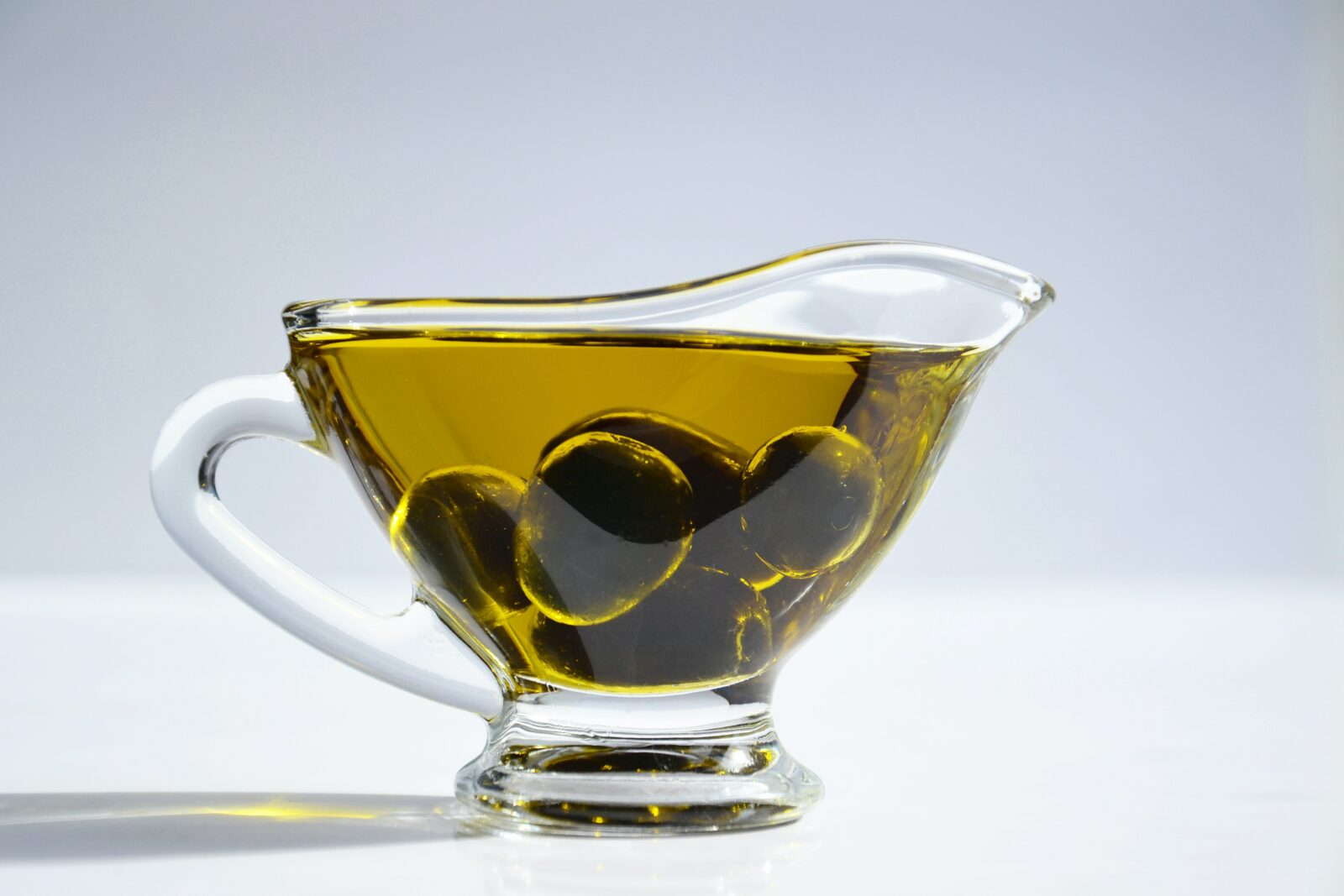
We have talked about dietary fats before. Some are good, and some are bad. Some are so bad that they have been linked to causing depression (trans fats). It’s easy to remember how to tell the difference. The fats that come from nature and the foods we eat (olives, avocado, walnuts, etc.) contain the good fats. Those that are man-made like industrial seed oils (vegetable oils, hydrogenated fats, etc.) are on the bad list. However, man-made oils are used extensively in fried foods, processed foods, and fast food.
While man-made fats are less expensive initially, the true cost shows up in damage to our health. According to many studies, people who eat fast foods like hamburgers, hot dogs, pizza, and baked goods are more likely to develop depression.
One 2012 study published in the journal Public Health Nutrition found that those who regularly consume fast foods were 51% more likely to develop depression.
Hydrogenated fats are liquid vegetable oils that are made solid by converting fats through hydrogenation, the process of adding hydrogen to liquid fat. Full hydrogenation has many risks. But, partially hydrogenated oils, also known as trans fats, have even greater risks. You should eliminate them completely from your diet. Hydrogenated oils/trans fats have been causally linked to increased depression and anxiety.
While most trans fats have already been removed from products, you may still find them in vegetable shortening, some microwave popcorns, certain vegetable oils, fried fast foods, bakery products, non-dairy coffee creamers, chips, canned frostings, pizza, and some crackers.
Trans fats became common in the 1950s and they are such a threat to public health that in May 2018 the World Health Organization released a six-point plan, known by the acronym REPLACE, to remove them from the global food supply.
Trans fats have an adverse effect on the brain and nervous system. When you consume trans fats, it is incorporated into brain cell membranes and alters the ability of neurons to communicate. This can diminish mental performance and might create a feeling of brain fog. There is a direct relationship between eating trans fats and mental health issues.
In addition, consumption of trans fats has been linked to brain inflammation, agitated moods, and aggressive behavior. One physician in the UK, Mark Hyman, produced research that linked an increase in homicide to an increased consumption of linoleic acid-rich soybean oil. Another study linked seafood consumption to the opposite: lower homicide rates.
Saturated fats, like the ones found in deli meats, high-fat dairy, and butter can clog arteries and prevent blood flow to the brain—inhibiting it from optimal function. It’s worse when saturated fats are combined with sugar. Studies have shown that diets high in saturated fats and added sugars are consistently associated with higher anxiety levels. This is because the consumption of saturated fats, processed foods, and added sugar causes alterations in glucose, protein, and energy homeostasis, and increases in inflammatory cytokines and corticosterone (an adrenal hormone).
Not all saturated (and unsaturated) fats are created equal, however. Research has shown that medium-chain saturated fats (MCSFs) and monounsaturated fats (MUFAs) have health benefits not found in long-chain saturated fatty acids (LCSFAs). LCSFAs promote insulin resistance, inflammation, and fat storage. MCSFs and MUFAs, on the other hand, are more likely to be burned for energy rather than stored as fat (adipose). Furthermore, omega-6 polyunsaturated fatty acids (PUFAs) may contribute to obesity, whereas omega-3 PUFAs may be protective.
Most foods contain a combination of several types of fats, but the following foods are particularly rich in these fats:
- Omega-6 PUFAs: vegetable oils
- Omega-3 PUFAs: fish oils
- MCSFs: coconut oil
- MUFAs: olive oil, avocados, nuts, seeds
- LCSFAs: cream, butter, margarine, palm oil
Your body needs a healthy amount of good fats for optimal functioning. They metabolize fat-soluble nutrients so that our brains can function properly. When you avoid fats entirely, you can hurt your overall health. Avoid cravings for fast food and fried food by staying nourished with healthy fats. Healthy fats also will reduce your inflammation. Replace bad fats with healthy fats like the following.
- Olives and olive oil
- Coconuts and coconut oil
- Butter or ghee made from raw, grass-fed, organic milk
- Animal-based omega-3 fat, such as krill oil
- Wild-caught salmon
- Raw nuts, such as macadamias and pecans
- Seeds, such as sesame, pumpkin, hemp, and chia
- Organic egg yolks from pastured poultry
- Meat from grass-fed, pasture-raised animals
- Cacao butter
Make sure to read all the ingredient labels for sneaky bad fats; you will be surprised where you find them, even conventional nondairy creamers often use hydrogenated oils/trans fats. It takes only a few extra moments to read a label in the grocery store, but the benefits will far outweigh the investment of time.