
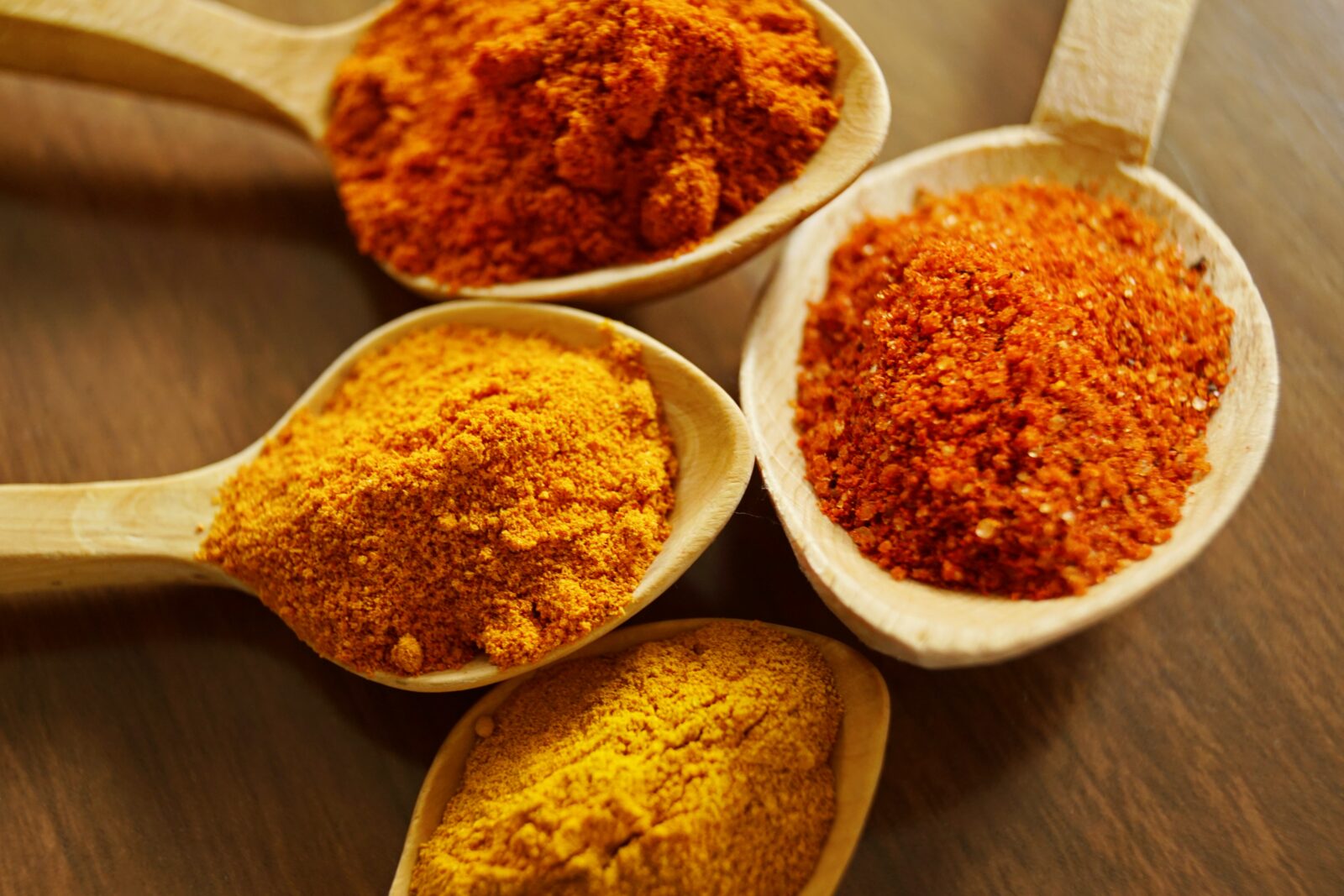
Turmeric gets a lot of headlines in health-related journals. If you follow the buzz, you may believe it’s a cure-all. Is that true, or is that hype? Let’s take a deeper look at the brilliant yellow spice that is being touted as helpful for many health conditions.
What is turmeric?
Turmeric is produced from the underground stems of the plant Curcuma longa, which is related to the ginger plant. Turmeric has been used for thousands of years in Ayurvedic medicine. And it is the ingredient in curry that gives it the distinctive yellow color.
The active ingredient in turmeric is curcumin. Because of the large amount of evidence of curcumin’s powerful anti-inflammatory benefits, it’s now commonly extracted and standardized in higher doses to be put into supplements.
What is the research on curcumin?
The commonality between just about all research done on turmeric and curcumin is inflammation. Chronic inflammation occurs when inflammation lasts longer than it needs to – it becomes like a forest fire burning in perpetuity. This imbalance in the body’s natural inflammatory response has been linked to most of the major chronic health problems people suffer from today.
The curcumin in turmeric has been demonstrated to decrease inflammation in a powerful way, and the research on this spicy health promoter shows its benefits are legion, improving many common and serious inflammation-based issues:
- Insulin resistance
- Lupus
- Pneumonia
- Rheumatoid arthritis
- Alzheimer’s
- Candida
- Cataracts
- Depression
- Autoimmune-inflammation
- Brain inflammation (brain fog and memory loss)
- Cancer
- Diabetes
- Gallbladder problems
- Heavy metal toxicity
- Inflammatory bowel disorders
- Viral infections
- Weight-loss resistance
We still need larger-scale studies that more clearly prove curcumin’s efficacy. While curcumin research certainly seems promising, we don’t exactly understand how it works.
Normally, research focuses on and isolates one promising aspect of a food, but turmeric contains dozens of compounds (in addition to curcumin) that work synergistically. This makes it difficult to study or to completely isolate the effects of curcumin.
Does curcumin cause any side effects?
While there are no widely acknowledged and tested side effects to eating turmeric or taking curcumin (or turmeric) supplements, one study suggested that at higher doses, curcumin was not protective and may contribute to cellular damage. It’s important to remember that even natural support options may not be right in extremely high doses. It’s best to work with a functional medicine doctor to determine the right dose for you.
Adding turmeric on a daily basis
If you want to go the supplement route, a general maintenance dose of curcumin that has been shown to be safe and effective is 10 grams each day. To boost your curcumin absorption, add black pepper, which contains piperine, a substance that increases the bioavailability of curcumin by around 2000%!
But you don’t need to pop more pills to get the anti-inflammatory benefits of curcumin. Just add turmeric powder to soups, smoothies, and just about any dish that needs a little extra taste and color. It’s a tasty natural support alternative to combat chronic inflammation.