
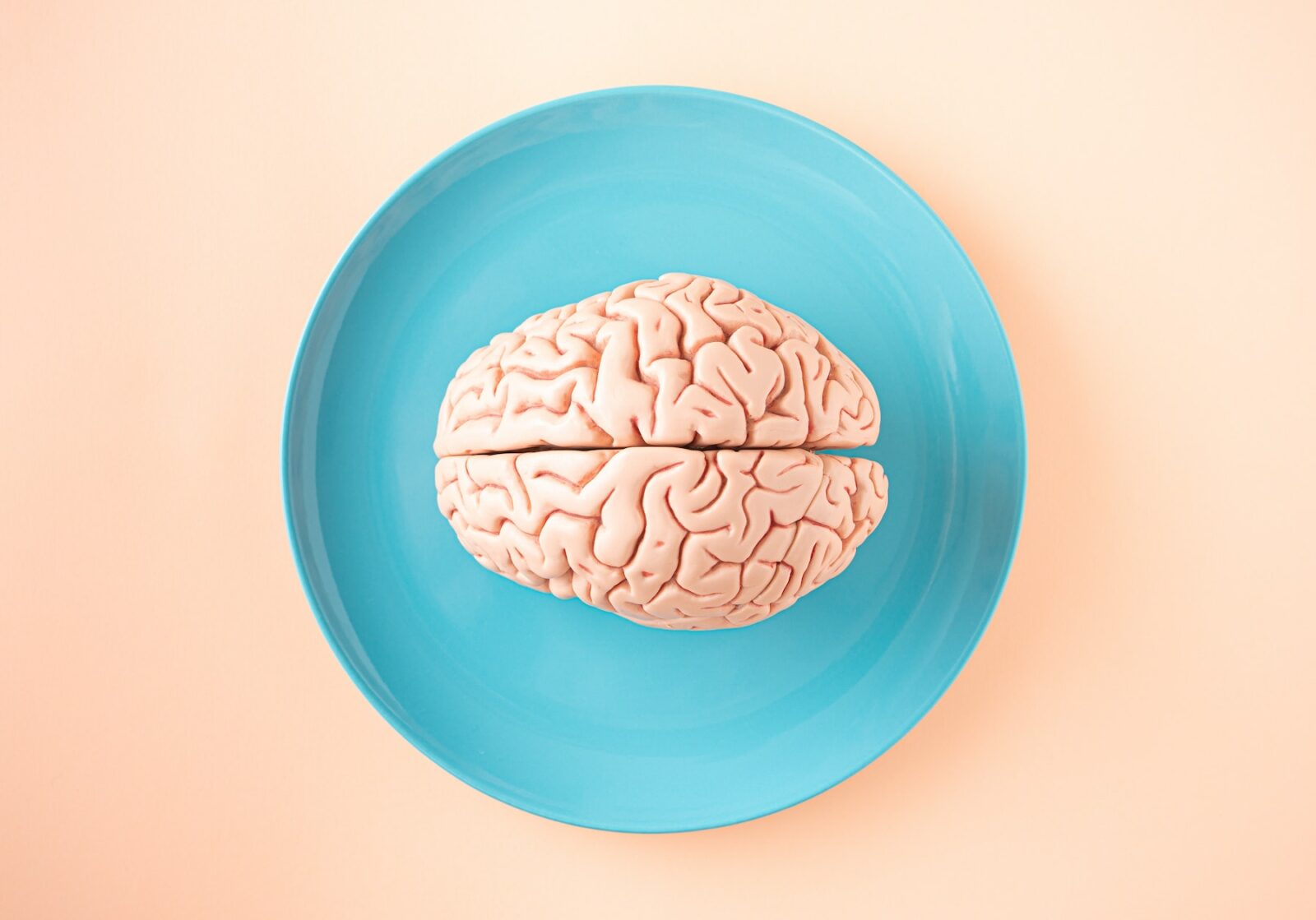
The Limbic System’s Influence on Emotions
Nestled within the intricate folds of the human brain, the limbic system reigns as the conductor of our emotional symphony. This network of structures, including the amygdala, hippocampus, hypothalamus, and cingulate gyrus, orchestrates the kaleidoscope of feelings that colors our lives.
Function of the Limbic System: Orchestrating Emotions
Hyperactivity of the Amygdala: The amygdala, renowned for its role in fear processing, can become hyperactive in individuals with anxiety disorders (Phelps, 2006). Heightened amygdala reactivity leads to an overemphasis on negative stimuli, causing minor threats to be perceived as severe dangers. This hyperactivity is associated with increased activity in the insula and reduced activity in the prefrontal cortex, contributing to the persistence of anxiety.
Impaired Fear Extinction: Impaired fear extinction, observed in anxiety disorders, arises from dysfunctional interactions between the amygdala and prefrontal cortex. This disruption hampers the process of unlearning fear associations. Studies involving patients with post-traumatic stress disorder reveal alterations in fear extinction circuits, underscoring the role of the amygdala and hippocampus in perpetuating anxiety.
Altered HPA Axis Function: A dysfunctional limbic system can dysregulate the hypothalamic-pituitary-adrenal (HPA) axis, leading to excessive cortisol release. Altered HPA axis functioning is evident in individuals with generalized anxiety disorder, with chronically elevated cortisol levels impacting emotional processing and regulation.
Disrupted Communication with Prefrontal Cortex: Disrupted communication between the limbic system and prefrontal cortex impairs emotional regulation. Prefrontal hypoactivity, observed in anxiety disorders, results in impaired suppression of amygdala responses to threat-related stimuli. Such disruptions hinder the cognitive control of emotional responses and decision-making.
Neurotransmitter Imbalances: Neurotransmitters like serotonin, dopamine, and GABA influence mood regulation. Dysfunctional limbic activity can lead to imbalances in these neurotransmitters, contributing to anxiety disorders. Reduced serotonin availability is associated with heightened amygdala reactivity, exacerbating anxiety symptoms (Harmer et al., 2003). GABAergic dysfunction within the limbic system is linked to excessive excitability and anxiety-like behaviors.
Balancing the Limbic System: Strategies for Emotional Well-being
Mindfulness Meditation: Mindfulness practices have shown potential in modulating limbic activity. Neuroimaging studies demonstrate that mindfulness meditation enhances connectivity between the amygdala and prefrontal cortex, enabling improved emotional regulation. This practice has been linked to reduced anxiety symptoms and enhanced well-being.
Cognitive-Behavioral Therapy (CBT): CBT is a well-established therapeutic approach for anxiety disorders. It addresses maladaptive thought patterns and behaviors associated with anxiety, leading to amygdala reactivity reduction. Through cognitive restructuring, individuals can cultivate more adaptive responses to anxiety triggers.
Regular Exercise: Physical exercise impacts emotional well-being by promoting the release of neurotransmitters like serotonin and endorphins. Exercise-induced neurogenesis and improved neurotransmitter balance contribute to enhanced emotional resilience and reduced anxiety symptoms.
Balanced Nutrition: Nutritional choices influence neurotransmitter production. A diet rich in tryptophan, a precursor to serotonin, supports optimal limbic function. Adequate intake of nutrients essential for neurotransmitter synthesis contributes to emotional stability.
Mind-Body Practices: Mind-body interventions like yoga and tai chi foster relaxation and stress reduction. These practices influence limbic activity, leading to improved emotional regulation. Engaging in mind-body activities enhances mindfulness and emotional balance.
Conclusion: Nurturing Emotional Equilibrium
The limbic system’s intricate dance underscores its profound impact on our emotional landscape. Dysfunction within this system can trap individuals in a cycle of anxiety, yet hope shines through evidence-based strategies. By understanding the limbic system’s role and embracing approaches rooted in scientific research, individuals can embark on a journey to restore equilibrium. Through mindfulness, therapy, lifestyle changes, and more, emotional well-being can be nurtured, empowering individuals to navigate life’s challenges with resilience and serenity.