
Approaching perimenopause and menopause can evoke many emotions for a woman. It’s a time of incredible change that can bring about greater freedom and wisdom. However, the symptoms associated with menopause can be severe and debilitating for some women. Even mild symptoms can alter how a woman experiences this time of life.
Menopause occurs when you have not had a menstrual period for over a year (assuming no other reasons for amenorrhea). However, many menopause symptoms can begin during the years leading up to menopause, which is called perimenopause.
The median age for menopause is between 50 and 52 years old, which means that perimenopause typically begins for women in their forties. Conventional western medicine offers synthetic hormones for treatment during this transition. However, you have natural support alternatives to consider.
Let’s take a deeper look at these herbs and natural supports to help alleviate the symptoms of menopause.
What are the symptoms of menopause?
As menopause approaches, your hormone levels decline and change, exacerbating symptoms that can include:
- Vasomotor symptoms like hot flashes or night sweats
- Irregular periods or heavy bleeding
- Vaginal dryness or atrophy (tissue breakdown)
- Insomnia or disrupted sleep
- Mood impacts like depression and anxiety
- Changes in libido
- Cognitive changes or brain fog
- Heart palpitations
Studies suggest that hot flashes and night sweats affect close to 80% of menopausal women. Some women experience mild symptoms, but for others, they can significantly interfere with the quality of life.
For centuries, women quietly struggled through the symptoms of menopause. It was not a topic for polite conversation even between women friends. Thankfully, our society is more open and actively seeking treatments to alleviate the symptoms.
For many years, hormone replacement therapy (HRT) was the standard treatment for menopause symptoms. However, it carries some risks. While HRT is appropriate in some circumstances, it’s linked to an increased risk of significant health concerns, including breast and ovarian cancer, heart disease, and pulmonary embolism.
In addition, early research suggested that HRT may increase the risk of dementia. More recent research points to the protective effect of estrogen on a woman’s brain. A North American Menopause Society study concluded that a longer duration of estrogen exposure from hormone therapy supports cognitive health, especially for older women.
The topic is complex, and some studies seem to contradict the others. So, using herbs can be powerfully effective, and they have been used for thousands of years.
Adaptogen herbs for menopause
Adaptogens are botanicals designed to support your body’s natural stress response. Their action in the body is said to help your body effectively manage stress without the crash that can happen from overextending yourself that can lead to burn-out.
For menopausal women, apoptogenic herbs may support healthy energy levels while promoting a sense of calm.
Ashwagandha
Ashwagandha usually tops the list of popular adaptogens. It’s calming, supports energy, and may help reduce oxidative stress (an imbalance between free radicals and antioxidants in your body that can damage tissues). Ashwagandha could help regulate your mood and stress levels throughout the day while helping you sleep more deeply at night. Another plus—ashwagandha may improve your sex drive.
You can take ashwagandha as a tea (it’s an acquired taste!), as an extract, or in a capsule. You can also find ashwagandha in stress and adrenal formulas like Adrenal Calm and Adrenal Support.
Schisandra
Like all the other adaptogens, schisandra can help you feel less anxious, but it also can be supportive for cognitive function and mental clarity. A study on menopausal women found that schisandra supports reductions in heart palpitations, sweating, and hot flashes.
Maca
Maca root is popular for its impact on libido and hormone balance. It’s said to support mood and sex drive. One study on menopausal women found that taking maca helped women with depression and even supported healthy blood pressure.
Additional Herbs for Hot Flashes
Licorice root
Licorice is sometimes considered an adaptogen by herbalists because of its impact on your adrenal glands and stress response. For women with menopause, licorice root may specifically support hot flashes because it contains phytoestrogens. Several randomized control trials found licorice was effective for supporting reductions in hot flashes. Licorice is one of those powerful herbs that can interfere with medicines and even increase blood pressure, so check in with your physician if you’re taking medication or if you have a history of hypertension.
Evening primrose oil
Evening primrose oil contains gamma-linolenic acid (GLA) that may support vasomotor symptoms, especially hot flashes. However, one study found that evening primrose performed only slightly better than placebo when it came to the severity of hot flashes. A review found no additional benefit, so herbs with stronger evidence are likely a better choice.
Holy basil
Holy basil, also known as Tulsi, is a traditional and Ayurvedic herb used to help with fatigue and anxiety. It also has anti-inflammatory properties to support whole-body wellness. Some studies suggest it even may have cognitive benefits.
Rhodiola
Rhodiola, another adaptogen used for anxiety, can support your stress response, mental stamina, sleep, and mood. It’s commonly used for longevity and healthy aging because of its impact on stress hormones and inflammation.
Ginseng
Ginseng is said to support energy and vitality. It could help with hot flash reduction while also promoting a healthy libido. One study on postmenopausal women found that ginseng supported improvement in mood and overall well-being.
Pine bark
The extract of pine bark used to support menopause symptoms is called pycnogenol. Pycnogenol is an antioxidant that fights back against free radical damage in the body. It’s also been shown to help reduce hot flashes.
Chaste tree
Commonly known as vitex, chaste tree contains phytoestrogens and supports a healthy hormone balance. One small study found that after taking chaste tree, women experienced improvements in mood and hot flashes. Another randomized control study found that vitex supported improvements in anxiety and vasomotor symptoms more than placebo.
Wild yam extract
Wild yam extract is worth mentioning because it seems to be a popular suggestion for hot flash relief, but the data doesn’t seem to back up the claims. It’s said to improve hormone levels. There are very few trials, but one randomized control trial found no difference between wild yam cream and placebo for symptom improvement. Still, many women seem to notice a difference.
Common herbal remedies for menopause
Below are some of the most popular herbal remedies for menopause. It’s helpful to remember that these botanicals have been used for thousands of years.
It’s also high in antioxidants and has anti-inflammatory properties.
Black cohosh
Black cohosh is one of the most commonly used supplements for menopause. Studies on black cohosh are mixed, but there are some interesting positive results. In combination with other herbs, it may help reduce hot flashes.
A review of studies on treatments for vasomotor symptoms associated with menopause found that black cohosh effectively supported improvements more than placebo. Another review found that while studies on black cohosh aren’t always well-designed, the herb could be helpful for hot flashes, sweating, anxiety, and insomnia.
You can find black cohosh as a single-ingredient supplement or as an ingredient in a targeted women’s hormone support blend.
Red clover
Red clover contains phytoestrogens, which means it can mimic estrogen in your body. Phytoestrogens are not as potent as the estrogen made by the body, but they can support hormone balance.
A review examining red clover for menopausal symptoms found that it could reduce the frequency of hot flashes, vaginal dryness, and vaginal atrophy. These results were replicated in another meta-analysis that found red clover helped decrease the frequency of hot flashes.
Because of its estrogenic activity, women with a history of hormone-positive breast cancer may want to discuss it with a health care practitioner before using it.
Kava
Indigenous to the Pacific Islands, where it’s used for celebration and ceremony, kava is an herb to calm feelings of anxiousness and mood changes. Studies suggest that it could help menopausal women with symptoms of irritability and insomnia.
Kava can have rare but serious adverse effects. It’s been linked to cases of liver toxicity, so people with liver diseases or who regularly drink alcohol should be mindful and discuss with a health care practitioner. If you’re taking over-the-counter or prescription medications, ask your prescribing doctor or pharmacist before taking kava.
Sage
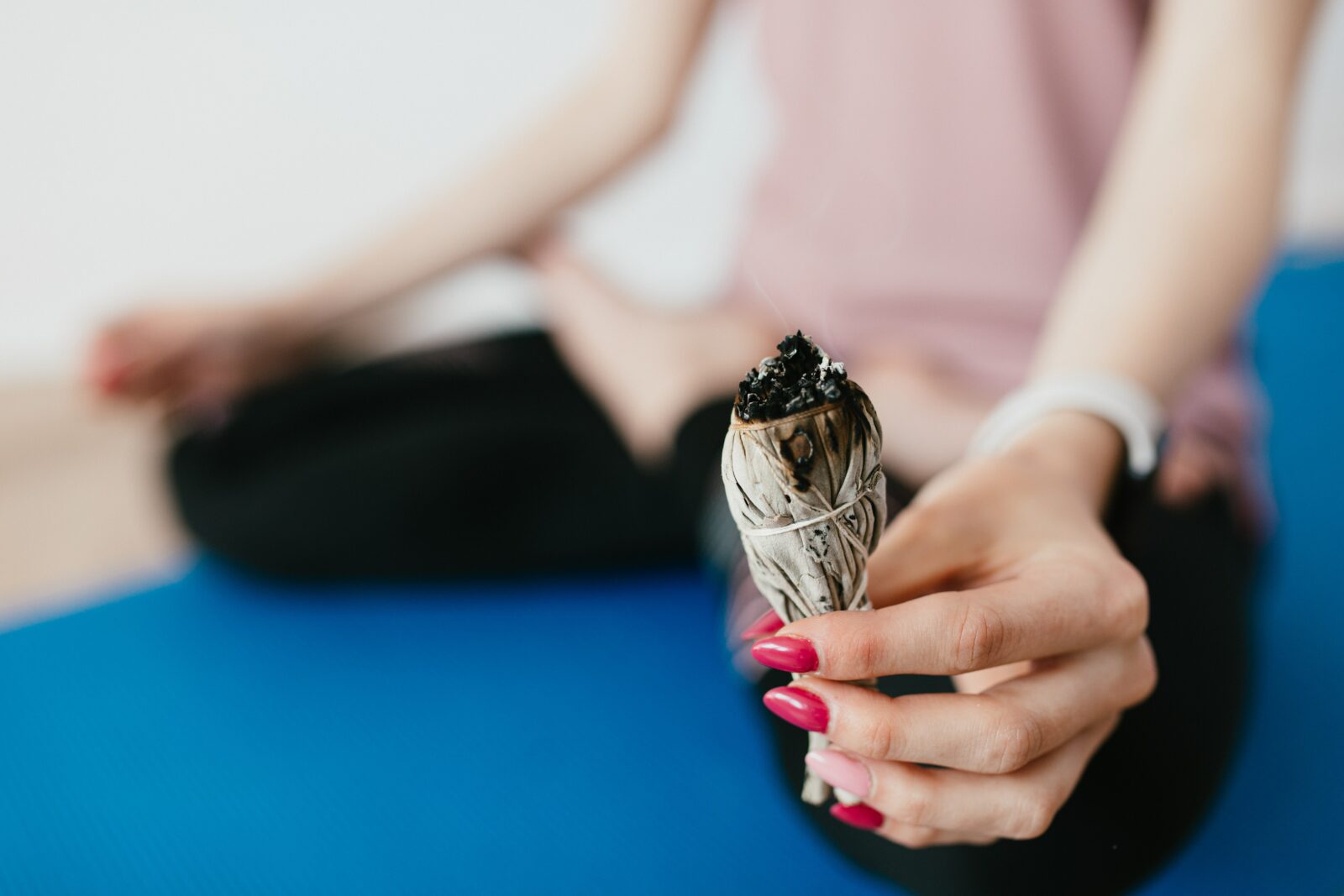
You may be used to using sage in cooking, but its benefits extend outside of the kitchen. Sage is an herb that could help with hot flashes, mood swings, and night sweats. While the number of clinical studies isn’t high, it’s been used for thousands of years in traditional medicine to support women through this transition.
One study found that a fresh sage supplement significantly reduced hot flash intensity after one month. In this study, women reported drops in daily hot flashes over two months and improved psychological well-being. Another small study found similar positive results when sage was given in combination with alfalfa extract. Women reported reductions in hot flashes and night sweats.
Sage may work by supporting receptors in the brain that promote feel-good, calming neurotransmitters.
Dong quai
Dong quai, or the “female ginseng,” is another traditional herb supporting reproductive health. It’s used in Traditional Chinese medicine to nourish the blood and promote balance. It’s said to help with hot flashes, night sweats, and vaginal dryness.
While it’s been used traditionally for thousands of years, there is very little research from clinical studies about its effectiveness. Several studies suggest there is not enough conclusive evidence that dong quai alone is effective for menopause symptoms. However, it is often included in supplements that contain other hormone-supporting herbs.
Ginkgo biloba
Ginkgo biloba is a popular herb often used to support cognitive health. It may help by supporting healthy blood flow and nerve transmission in your brain. Since menopause can cause memory and cognition symptoms, ginkgo may help.
A systematic review concluded that ginkgo supported improvements in mood, cognition, and emotional function better than placebo. Studies that specifically examine perimenopausal women also report modest but positive results for memory and cognition.
St. John’s wort
St. John’s wort is a popular supplement used for mood support as it may help increase serotonin levels. Serotonin is a feel-good neurotransmitter that acts to stabilize your mood and promote feelings of well-being. As a result, it may help with some of the psychological symptoms associated with menopause.
There are many positive studies on St. John’s wort and feelings of depression, but most don’t concentrate specifically on menopausal women. However, a study examining 30 menopausal women found that it supported improvements in feelings of anger or depression while also helping to reduce vasomotor symptoms and insomnia. Another small study reported that after 12 weeks, women who took St. John’s wort noted improvements in mood and sexual well-being.
Passionflower
Passionflower is an herb typically used to promote rest and relaxation. It’s often used to calm an anxious mind, especially before bed, to help with sleep. As a result, it may be beneficial for women struggling with insomnia, but it can also be taken during the day for anxiety.
Passionflower may also support serotonin. The same study that examined St. John’s wort (mentioned above) also looked at passionflower and found similar improvements in vasomotor symptoms, anxiety, and insomnia.
What are the best herbs for hot flashes?
Considerable research has been conducted on these herbs for treating hot flashes. Some of the herbs are popular but aren’t necessarily as effective. Based on the evidence, the best herbal remedies for hot flashes include:
- Schisandra
- Licorice Root
- Pine Bark
- Sage
- Black Cohosh
- Red Clover
- Chaste Tree (Vitex)
Final thoughts
Herbs can provide a safe approach for menopause relief. These botanicals can offer a natural and effective solution to help alleviate menopause symptoms. And, they have been used for these purposes for thousands of years.