
Spending time outside and connecting with nature is healthy both physically and spiritually. Still, the great outdoors does present some hidden dangers, including a microscopic parasite that can quietly sneak its way into your body and cause significant damage.
This stealthy invader is a tiny parasite called babesia. What is babesia, and what are some practical, effective methods to protect against this tiny parasite? Let’s dive deeper into this topic.
What exactly is babesia?
The babesia parasite can infect your red blood cells. Over 100 distinct strains of the babesia parasite exist; however, the most common strain that infects humans are the babesia duncani and the babesia microti.
This tiny parasite causes a condition known as babesiosis if contracted. Many patients with babesiosis also have a co-infection of Lyme disease, and they typically present with more severe symptoms and fare worse than patients with only babesiosis. It is estimated that nearly 40% of patients with Lyme disease also have a babesia co-infection.
What are the symptoms of a babesia infection?
A babesia infection can present with a wide array of symptoms – from nonexistent to life-threatening. Some of the more mild symptoms of babesiosis include:
- Fatigue
- Fever or chills
- Night sweats
- Temperature dysregulation
- Panic or anxiety
- Insomnia
- Air hunger
- Frontal headaches
- Disequilibrium or feeling off balance
- Racing heart or skipped heart beats
- Muscle or joint aches
- Nausea or loss of appetite
- De ja vu experiences, vivid dreams or psychic experiences
More serious cases of babesia can cause complications such as:
- A dangerously low drop in blood pressure
- Hemolytic anemia – caused by a breakdown of your red blood cells
- Thrombocytopenia – a very low platelet count
- Irregular heart rhythms like atrial fibrillation
- Fluid in the lungs or pericarditis (inflammation of lining around the heart)
- Babesia rash – also known as petechiae (tiny bruises caused by bleeding under the skin)
- Disseminated intravascular coagulation (DIC) – causing abnormal clotting and bleeding throughout the body
- Vital organ failure (heart, liver, kidneys)
Elderly patients or individuals with a compromised immune system are more at risk of developing the severe babesia symptoms.
Is babesia contagious?
No. The babesia parasite is not contagious. You can’t contract the parasite by coming into contact with a person who is already infected. Still, rare cases do exist in which babesia was transmitted from one person to another in these very uncommon circumstances:
- Through receiving a blood transfusion contaminated with babesia
- From mother to child during pregnancy or delivery
But generally, a rather inconspicuous carrier spreads babesia – the tick.
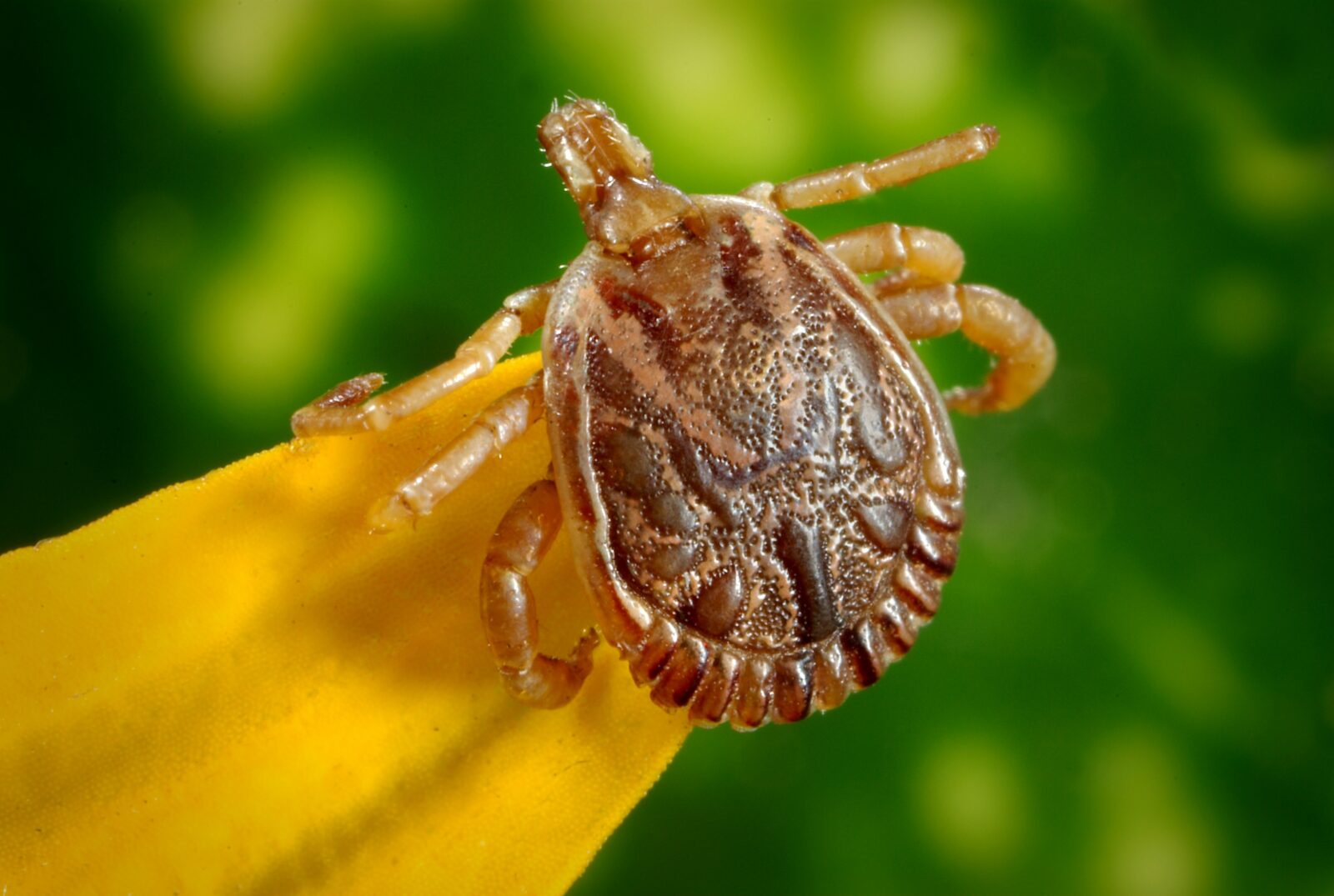
Babesia parasites can exist in the gut of black-legged ticks and deer ticks, both of which linger on blades of grass or branches until an animal or human comes into contact with them enabling the parasite to attach themselves to that host and feed on their blood.
The majority of human infections happen in the spring and summer months when these ticks are in the nymph stage of development and about the size of a poppyseed. Because ticks in the nymph stage are so tiny, their bites frequently go undetected. One inconspicuous tick bite can cause issues other than just babesia.
Tick diseases – is babesia related to lyme disease?
The answer is both yes and no. Lyme disease and babesiosis are distinct, separate disorders caused by a specific microorganism. However, Lyme disease and babesiosis are frequently comorbid disorders that the patient has contracted simultaneously. Indeed as noted above, about 40% of Lyme disease patients also present with babesiosis.
This is due to the fact that the same tick can carry both the bebesia parasite and Borrelia burgdorferi, which is the microbe that causes Lyme disease. What’s even worse, Lyme disease and babesia can have a synergistic effect. This means that a comorbid condition with both of these microbes can intensify the symptoms and lengthen the duration of both infections.
The high incidence of comorbidity of both infections can make tick-borne illnesses like babesia difficult to diagnose and treat. Fortunately, science and medicine are learning more about these microorganisms and improving their detection.
Babesia diagnosis – how to test for babesia
Diagnosing babesiosis can be challenging since many of the symptoms could also be caused by a variety of pathogens. To make an actual babesia diagnosis, your physician must confirm the presence of the babesia parasites using a microscopic examination of a blood smear. If the infection is relatively recent, a diagnosis may require several blood tests over several days to pinpoint babesia. In addition, only about 33% of patients with babesia have detectable levels of the parasite.
If you think you may have a babesia infection or another tick-borne illness like Lyme disease, seek out a physician with experience in Lyme disease and training in ISEAI or ILADS. An integrative or functional physician can help identify the root cause of the symptoms and help develop a comprehensive plan to address the infection.
Is there a cure for a babesia parasitic infection?
In some cases, a patient’s own immune system may be able to address babesia on its own, and the infection will resolve without treatment. However, in persistent or severe cases, babesia is usually treated with a combination of antiparasitic and antibacterial medications like:
In some cases, your immune system may be able to address babesia on its own and the infection will resolve without treatment. But in severe or persistent cases, babesia is typically treated with a combination of anti-bacterial and anti-parasitic medications such as:
- Atovaquone
- Azithromycin
- Clindamycin-Quinine combo
- Other herbal preparations, such as liquid Cryptolepis or liquid Artemisinin or Artemisinin caps may also be helpful.
Still, while traditional treatment is a critical method of treating a babesia infection, it avoids addressing the bigger picture. Babesiosis and Lyme disease can take from 6 to 12 months to treat before relieving symptoms to a livable level. In order to help suppress babesia and co-infections, it is imperative to boost your own innate defenses to reach an optimum level. Taking steps to support your immune system and overall h health, your body will have the tools it needs to heal and fully recover.
Supporting the immune system during and after babesia infection
An individual’s own immune system is the most powerful defense against harmful microorganisms. It is a powerful tool in healing after an infection. Fortunately, there are numerous easy-to-follow methods to boost the immune system to keep it functioning at optimal levels.
- Focus on anti-inflammatory foods. The food you eat can fight inflammation or promote inflammation. Structure your diet around inflammation-fighting foods to reduce overall inflammation. This does not need to be complicated. Focus on choosing whole foods that are unprocessed.
- Boost your immune system. Focus on nutrients that support your immune system, especially those that may fill a gap in your diet.
- Minimize your toxic burden. Our modern environment contains numerous toxins. These can accumulate and overload your body’s own natural detoxification methods. A large accumulation of toxins can send your immune system into overdrive, thereby leading to burn out and limiting its efficacy in addressing new threats.
- Keep your gut healthy. Your digestive system and immune system are linked together in complex ways. If your gut is operating at sub-optimum levels, your immune system is likely suffering as well. Keep your gut healthy to boost your immune system.
How to protect yourself from tick bites
Prevention is a first line of defense. Keep your immune system healthy and avoid tick bites. If you are planning to travel someplace that has ticks, take the following preventative steps:
- Stay on marked trails and avoid brushing against tall grass or low hanging branches where ticks and insects like to congregate
- Wear closed shoes and long pants
- Apply insect repellent to clothes and exposed skin
- Wear clothes light in color so ticks or other insects are easier to visualize
- Thoroughly inspect your clothes and hair for ticks and remove them promptly
Preventing tick bites is important, although it’s likely that you will be bitten by a tick if you are in an area that has them. This is why keeping your immune system strong and healthy is just as important as taking steps to prevent tick bites in the first place.
Be proactive with your health
Babesia and other tick-borne illnesses can be persistent and challenging to diagnose and treat.
And these microorganisms can be serious and lethal. Protection against these silent parasites is a must.Be proactive in protecting yourself against potentially harmful microbes, bolster your natural defenses, and prioritize your overall health. Knowledge is the most powerful tool.
Equip yourself with knowledge and use lifestyle habits that will keep you and your family healthy and thriving for years. That’s true empowerment.
REFERENCES:
- https://www.cdc.gov/parasites/babesiosis/gen_info/faqs.html
- https://www.cdc.gov/parasites/babesiosis/disease.html
- https://www.cdc.gov/parasites/babesiosis/resources/babesiosis_policy_brief.pdf
- https://pubmed.ncbi.nlm.nih.gov/26613664/
- https://danielcameronmd.com/babesia-and-lyme-its-worse-than-you-think/
- https://www.ncbi.nlm.nih.gov/pmc/articles/PMC4557163/
- https://www.cdc.gov/parasites/babesiosis/health_professionals/index.html