
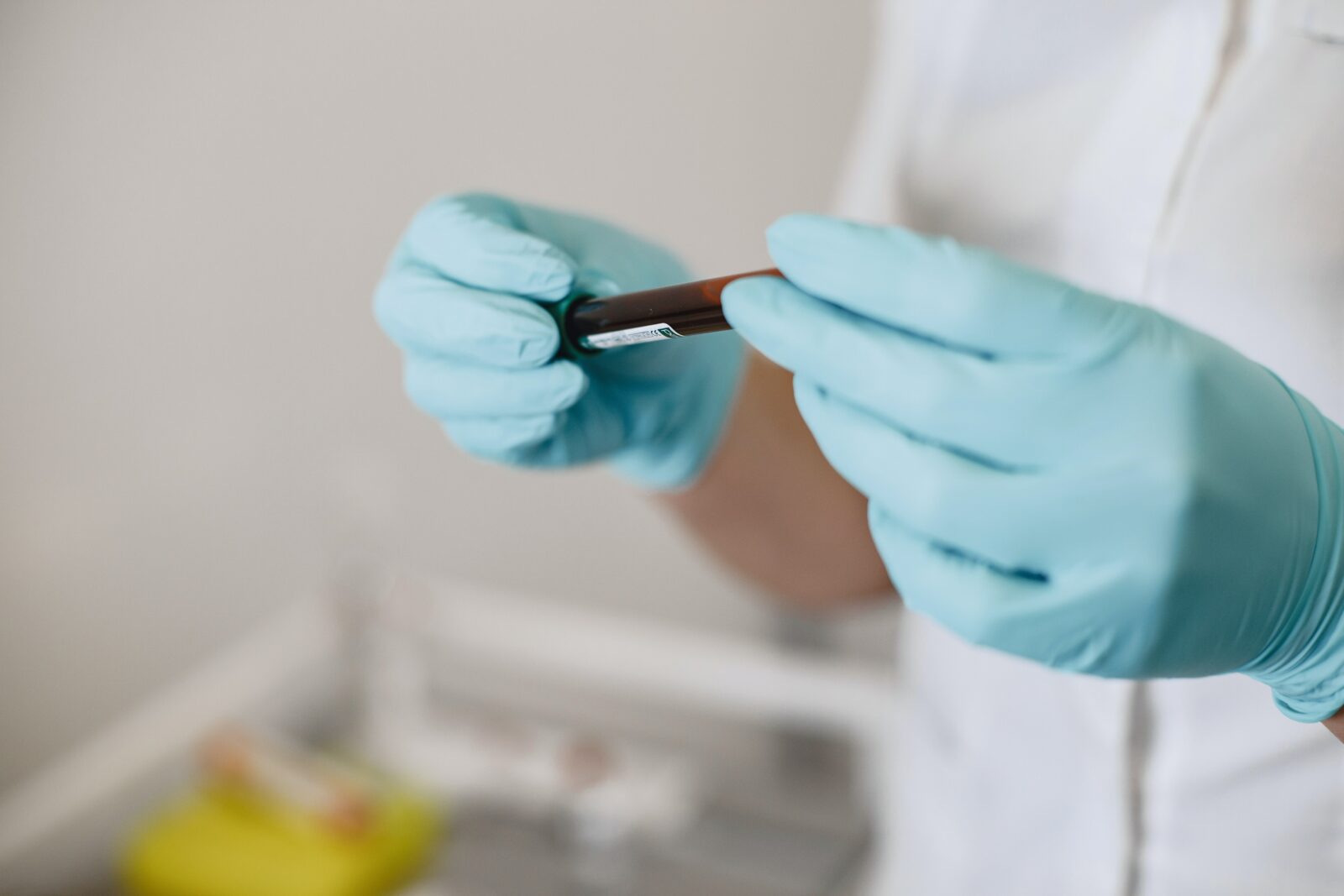
Conventional Western medicine has long used methylene blue to treat urinary tract infections, lower excess hemoglobin, and treat cyanide poisoning. However, scientists are investigating a multitude of other practical applications for this compound. Current research suggests that methylene blue may offer many more health benefits like improving cognition and mitochondrial health.
This is part 1 of a 6-part series on methylene blue.
What is methylene blue?
Methylthioninium chloride is a compound of very dark blue-green crystals with a bit of a bronze glow to them. It is soluble in both water and alcohol, which increases its potential as a broad health therapeutic.
Heinrich Caro formulated the first methylene blue in 1876. It was the first completely synthetic drug produced. Doctors first used it to treat malaria, and it was used extensively in WWII as an antimalarial. Unfortunately, it fell out of favor once the soldiers discovered that it turned their urine blue. In fact, the compound may also turn the sclera of the eyes blue as well.
This side effect made methylene blue popular as a psychiatric treatment. Doctors used it to determine if psychiatric patients adhered to their drug treatments. Clinical effects were soon noticed in those psychiatric patients taking methylene blue, sparking interest in the drug’s antidepressant and psychotropic potential.
In 1933, scientists discovered that methylene blue was an effective treatment for cyanide poisoning and carbon monoxide poisoning.
Methylene Blue is on the World Health Organization’s List of Essential Medicines. It is widely regarded as a safe and effective medicine. In addition, methylene blue is used as an indicator dye, a bacteriologic stain, and for medical and surgical marking.
Other potential health benefits of methylene blue
Can methylene blue prevent and reverse aging? A study in 2017 found that methylene blue is a potent antioxidant for skin and connective tissues. The connective tissue had slower cellular death rates than with other mitochondrial antioxidants. Methylene blue altered the expression of gene coding for skin protein. It increased the production of elastin and collagen.
This study determined that a dosage of 0.5 μM methylene Blue “significantly increased cell viability in comparison to the control.” However, it is important to note that higher doses produced the opposite effect by decreasing cell viability.
Methylene blue as a malaria treatment
Methylene blue was first identified as a potential malaria treatment in 1891. It quickly became one of the first synthetic antimalarial drugs ever used. Currently, there is an increase in interest in methylene blue as an anti-malarial with several clinical trials being conducted.
Methylene blue works as an anti-depressant
Monoamine oxidase enzymes break down certain neurotransmitters like noradrenaline and serotonin. Monoamine oxidase inhibitors (MAOIs) are used to reduce the activity of these enzymes to rebalance the disrupted neurotransmitters seen in people with depression. Methylene blue is a monoamine oxidase inhibitor. At low to medium doses, methylene blue reduces the activity of MAO-A more than MAO-B. However, using higher doses did not produce any greater benefit.
Can methylene blue treat COVID-19?
In one study, methylene blue and light therapy lessened the infectiousness of SARS-CoV2 in blood samples. In addition, BX1, which is a therapy based on methylene blue, rapidly eradicated COVID-19 in blood samples.
Another trial used a combination of methylene blue, vitamin C, and n-acetyl cysteine (NAC) in patients with COVID-19. They found a significant improvement in symptoms and key biological markers.
Another paper suggested the method by which methylene blue might be effective against the coronavirus. Specifically, MB can “abort effects of Bradykinin by inhibition of Nitric Oxide synthase inhibitor and promote oxygen saturation.”
Lastly, methylene blue and light therapy were found to “robustly and consistently” kill coronavirus when applied to items such as protective gear.
Methylene blue reduces cancer growth
Studies show that methylene blue causes cancer cell apoptosis (cell death) by the generation of cellular oxidative stress via the NQO1-dependent. In addition, scientists are investigating methylene blue in combination with photodynamic treatment against cancer.
One recent study found that methylene blue in combination with photodynamic therapy causes “massive cell death of tumor cells”. Furthermore, malignant cells were far more susceptible to the therapy compared to healthy cells.
Methylene blue improves brain health
In 2012, a study investigating the mechanisms of methylene blue’s neuroprotective effects found that methylene blue may reduce superoxide production by acting as an alternative mitochondrial electron transfer carrier. It may also act as a recyclable anti-oxidant in mitochondria.
A 2017 study investigated the effects of methylene blue on adult neural stem cells in mice. The researchers found that there was a general potential of methylene blue to increase the migratory capacity of adult neural stem cells i.e., neural mobility.
Methylene blue and huntington’s, alzheimer’s, and parkinson’s
Methylene blue has the ability to repair mitochondrial function and cellular metabolism – both of which are often damaged in Alzheimer’s disease.
Methylene blue’s neuroprotective effects are mediated by autophagy (an intracellular degradation system) through activation of AMPK signaling. This means that it may be an effective treatment for conditions such as Huntington’s.
Recent research has demonstrated that methylene blue has the potential to reduce the formation of amyloid plaques and neurofibrillary tangles seen in Alzheimer’s disease. Studies have also demonstrated that by inhibiting acetylcholinesterase, methylene blue can increase levels of acetylcholine and treat Alzheimer’s
Methylene blue for treating methemoglobinemia
Methemoglobinemia is a potentially fatal condition that is characterized by the inability of hemoglobin to carry oxygen due to the ferrous part of the heme molecule being oxidized to a ferric state.
Methylene Blue, which reacts with red blood cells to form leukomethylene blue, acts as a reducing agent of oxidized hemoglobin, converting the ferric ion back to its oxygen-carrying ferrous state.
Methylene blue combined with photodynamic therapy
Similarly, methylene blue can be combined with a LED device to create an effective photodynamic antifungal therapy against chromoblastomycosis. A 2010 study found that Methylene blue-mediated photodynamic therapy, in combination with low-level light therapy, is a suitable treatment protocol for recurrent herpes. Methylene blue, in combination with light, also inactivates the viral nucleic acid of hepatitis C and HIV.
Methylene Blue combined with light treatment is an effective way to control oral lichen planus. Photodynamic using Methylene blue and non-coherent light was found to be an effective treatment for the leishmaniasis infection.
Methylene blue safety
Methylene blue has been shown to be safe to use in therapeutic doses of less than 2mg/kg. Negative side effects are typically due to very high doses including toxicity, cardiac arrhythmias, decreased cardiac output and blood flow, and coronary vasoconstriction. In newborns, methylene blue may cause
Methylene blue is a very safe drug when used in therapeutic doses (<2mg/kg) (R). The following negative effects are all attributable to very high dosages. In newborns, methylene blue may cause excess bilirubin, meth-Hemoglobin formation, hemolytic anemia, respiratory distress, and swelling of the lungs.
Taking methylene blue can interfere with the reading of a pulse oximeter and create a falsely low oxygen saturation reading. And methylene blue is a monoamine oxidase (MAO) inhibitor. This property can cause extreme serotonin toxicity at doses greater than 5 mg/kg.