
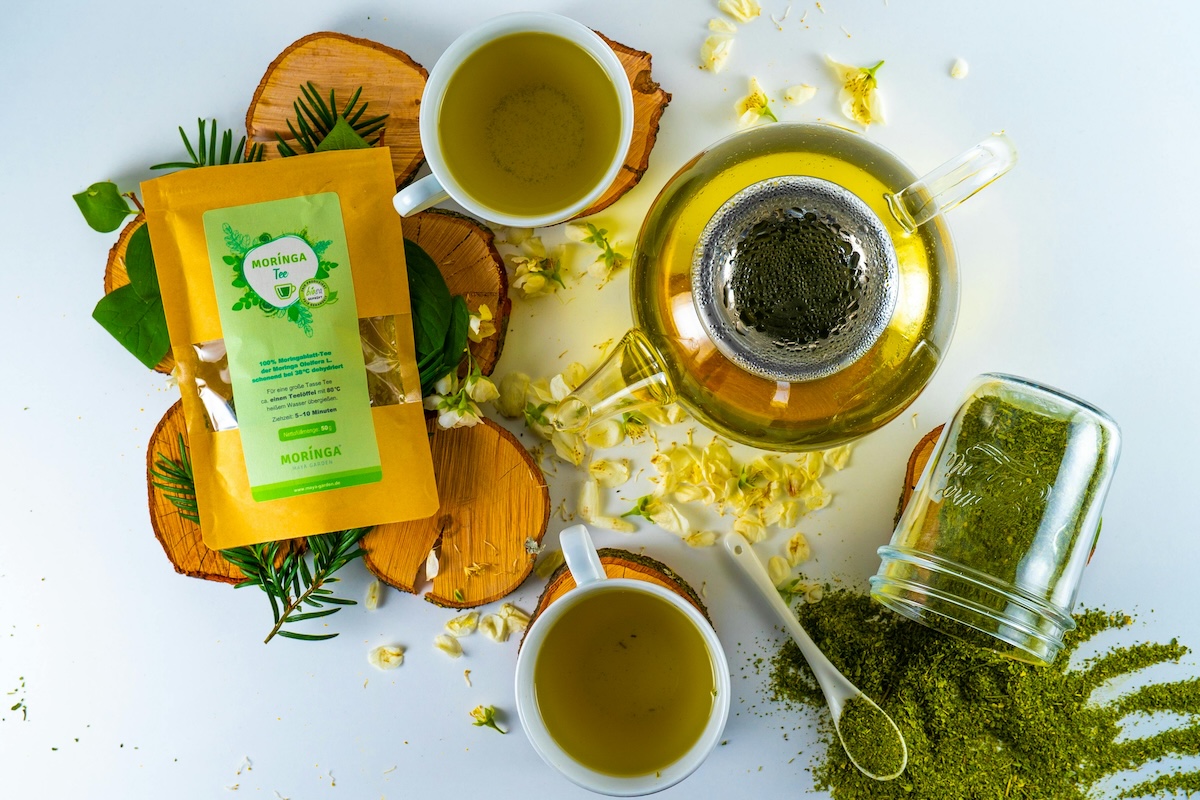
In the world of nutrition, some foods rise above the rest and earn the title of “superfood.” Kale, blueberries, and quinoa often dominate the conversation—but there’s another plant quietly earning its place at the very top: moringa. Sometimes called the drumstick tree or miracle tree, moringa (Moringa oleifera) has been cherished for centuries in traditional medicine and cuisine across Africa, Asia, and South America.
What makes moringa so special? It’s not just another green leafy vegetable. Science confirms that moringa is one of the most nutrient-dense plants ever studied, packed with proteins, minerals, antioxidants, and anti-inflammatory compounds that support nearly every system in the body. From strong bones to a healthy heart, from powerful muscles to resilient immunity, moringa offers a nutritional package that few other plants—or even animal-based foods—can match.
Let’s take a closer look at why moringa has been treasured for ages and why it deserves a place in your daily diet.
A Calcium Powerhouse for Bones and Teeth
When most people think of calcium, they immediately picture milk or dairy products. Yet, moringa leaves contain four times more calcium than milk on a gram-for-gram basis. Calcium is essential not only for strong bones and teeth but also for proper nerve transmission, blood clotting, and muscle contractions.
For those who are lactose intolerant or looking for a plant-based source of calcium, moringa offers a natural, easily digestible alternative. Regularly incorporating moringa into your diet can help protect against osteoporosis, fractures, and bone weakness as you age.
Potassium Levels Beyond Bananas
Bananas are famous for being potassium-rich, but moringa actually contains three times more potassium than bananas. Potassium is an electrolyte mineral crucial for heart function, hydration balance, and nerve signaling. It helps regulate blood pressure, supports cardiovascular health, and prevents muscle cramps.
For athletes, busy professionals, or anyone concerned with heart and muscle health, moringa provides an exceptional way to meet daily potassium needs—without the added sugars found in many fruits.
A Surprising Protein Source
Protein is often associated with meat, poultry, or dairy, but moringa proves that plants can compete at the highest level. Gram for gram, moringa leaves provide twice as much protein as meat. And unlike many plant proteins, moringa offers a wide spectrum of essential amino acids—the building blocks the body cannot make on its own.
This makes moringa an excellent addition to vegetarian or vegan diets, as well as for anyone seeking muscle repair, energy, and satiety. Whether you’re recovering from exercise, supporting healthy skin, or simply looking to avoid mid-afternoon energy crashes, moringa’s protein content makes it uniquely valuable.
Antioxidant Rich: Fighting Oxidative Stress
Every day, our bodies face stress from pollution, poor diet, lack of sleep, and normal metabolic processes. This stress creates unstable molecules called free radicals, which can damage cells and accelerate aging. Antioxidants neutralize free radicals, protecting cells and supporting long-term wellness.
Moringa leaves are loaded with antioxidants like quercetin, chlorogenic acid, and beta-carotene. These compounds not only defend against oxidative stress but also strengthen the immune system, sharpen cognitive function, and protect against chronic diseases. In fact, researchers have found that moringa’s antioxidant levels rival those of green tea and other celebrated superfoods.
Natural Support Against Inflammation
Chronic inflammation has been linked to conditions like arthritis, heart disease, digestive disorders, and even cancer. Moringa naturally contains compounds with anti-inflammatory properties, such as isothiocyanates and flavonoids.
By reducing inflammation, moringa supports joint comfort, digestive health, and overall resilience. This makes it particularly valuable for older adults, athletes with joint strain, or anyone dealing with stress-related inflammation in the body.
Beyond Nutrition: Traditional and Modern Uses
For centuries, moringa has been used in traditional medicine systems like Ayurveda to treat a wide variety of ailments—from fatigue and infections to digestive troubles and skin conditions. Nearly every part of the tree—leaves, seeds, pods, and roots—has been valued for different purposes.
Today, modern research continues to uncover new benefits of moringa, including potential roles in balancing blood sugar, lowering cholesterol, and supporting brain health. While studies are ongoing, the evidence so far reinforces what traditional wisdom has suggested for generations: moringa is truly a “miracle tree.”
How to Use Moringa in Everyday Life
The beauty of moringa lies not only in its nutrition but also in its versatility. Here are a few easy ways to start incorporating it into your meals:
- Smoothies: Add a teaspoon of moringa leaf powder to fruit or green smoothies for a powerful nutrient boost.
- Soups and Stews: Stir in fresh or powdered moringa leaves near the end of cooking to preserve nutrients.
- Salads: Use tender fresh leaves as you would spinach or arugula.
- Teas: Brew dried moringa leaves for a mild, earthy tea packed with antioxidants.
- Baked Goods: Blend moringa powder into muffins, energy bars, or pancakes for added protein and minerals.
Because of its concentrated nutrition, a little goes a long way. Start small, as moringa has a distinctive flavor, often described as earthy or slightly bitter, and may take some getting used to.
A Superfood for Global Health
Beyond personal health, moringa holds promise for addressing global nutrition challenges. In regions where malnutrition is common, moringa is being planted as a sustainable, fast-growing crop that can supply protein, vitamins, and minerals to vulnerable populations. Its ability to thrive in dry, hot climates makes it especially valuable in combating food insecurity.
Final Thoughts
With four times more calcium than milk, three times more potassium than bananas, and twice the protein of meat, moringa rightfully earns its title as the world’s most nutrient-packed vegetable. Combined with its antioxidant strength and anti-inflammatory powers, this plant offers a unique way to support bone strength, heart health, muscle recovery, immune resilience, and overall vitality.
Whether blended into smoothies, sprinkled into soups, or brewed as tea, moringa provides a simple yet powerful upgrade to your diet. It’s not just a passing trend—it’s a time-tested superfood with modern science backing its reputation.
So next time you’re looking to add something extraordinary to your plate, consider moringa. Your bones, muscles, heart, and immune system will thank you.