
5 Phytonutrients for Optimizing Estrogen Levels
The first area to look when addressing most if not all health concerns is foods! And this applies to hormones as well. Estrogen balance is so important for fertility, longevity, immune system balance and even affects our mood! Estrogen dominance is a common issue predominantly for women, however it can be for men as well. Here are five nutrients known to support healthy estrogen levels:
DIM
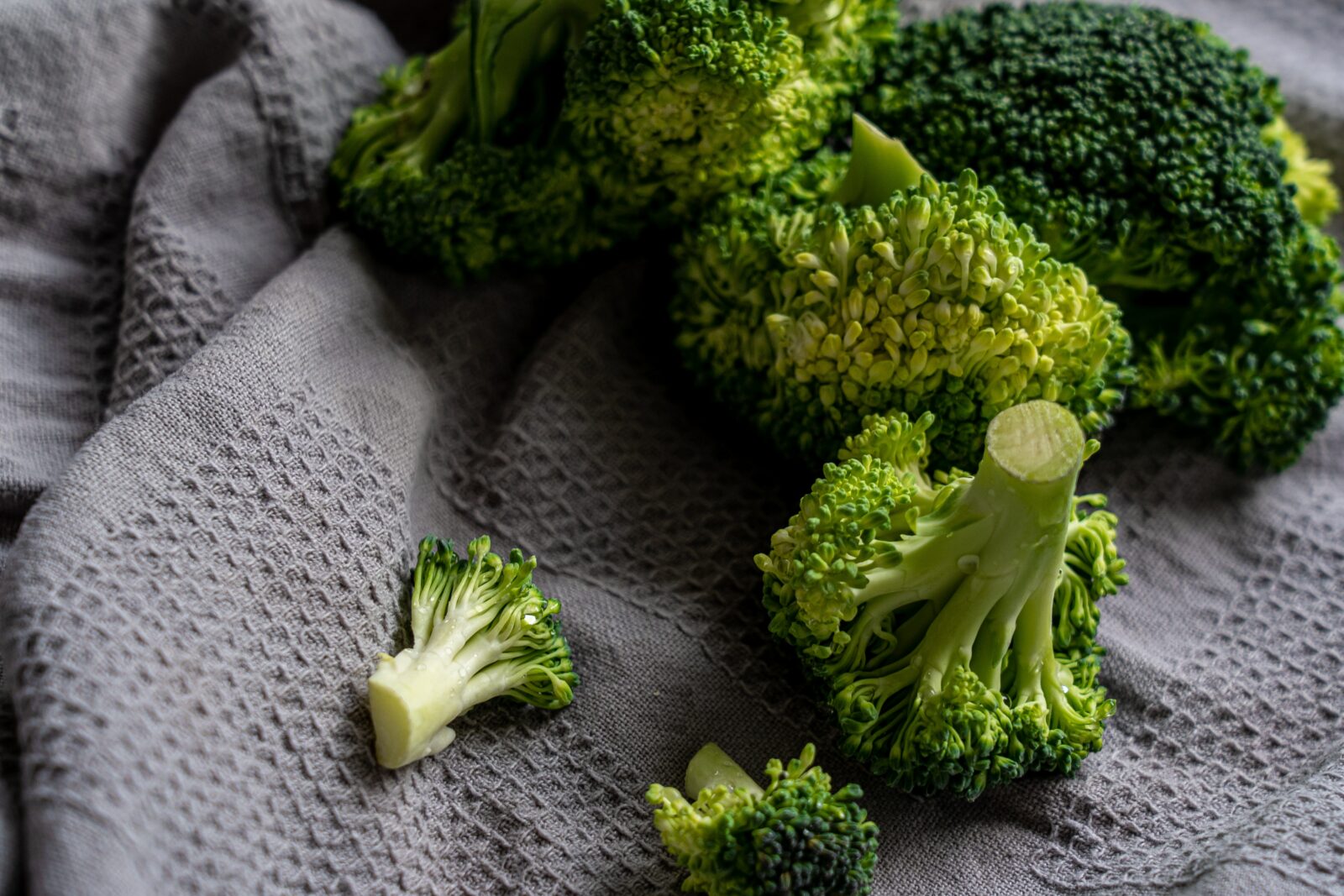
Diindolylmethane (DIM) is a chemical compound or phytonutrient that is naturally found in certain cruciferous vegetables, such as broccoli, kale, and cauliflower. It is often used as a dietary supplement in cases of hyperestrogenism (i.e. too much estrogen). It is produced from the precursor compound indole-3-carbinol.
DIM has been extensively studied for its potential health benefits, especially in relation to hormonal balance. DIM is believed to modulate estrogen metabolism in the body, which can have positive effects on hormonal health in both men and women.
The compound supports liver metabolism, and is known to support conversion of the “bad (i.e. inflammatory, cancer associated) metabolites of estrogens, 4-OH and 16-OH, into the “good” (ie anti inflammatory, cancer protective) metabolites, 2-OH, which are beneficial forms of these hormones.
This can help reduce symptoms of hyperestrogenism such as breast tenderness, mood changes before the menstrual period and ovulation, and premenstrual syndrome in general, but it also reduces the risk of hormone-dependent cancers such as breast cancer.
Studies combining DIM with indole-3-carbinol and sulforaphane have found positive results with minimal side effects.
It also has other potential benefits:
- Prostate health: DIM has been investigated for its potential beneficial effects on prostate health, including the prevention and treatment of conditions such as benign prostatic hyperplasia (BPH).
- Thyroid health: DIM displays anti-estrogenic activity by inhibiting estradiol-enhanced thyroid cancer cell proliferation and metastasis-associated events in vitro, such as adhesion, migration, and invasion. Most significantly, DIM has been shown to target MMP-2 and MMP-9, which are known to promote and enhance metastasis.
- Bone health: Some studies suggest that DIM may contribute to bone health by promoting bone formation and mineralization.
- Antioxidant and anti-inflammatory properties: DIM has also been studied for its antioxidant and anti-inflammatory properties, which can have positive effects on overall health.
Indole-3-Carbinol
Indole-3-carbinol (I3C) is a phytonutrient found in certain cruciferous vegetables. It is a product that is formed from the natural breakdown of glucosinolate, a compound present in these vegetables, by plant or bacterial tyrosinases. I3C has been the subject of numerous studies due to its potential health benefits. It is believed to have antioxidant, anti-inflammatory, and anticancer properties.
Some potential benefits associated with the consumption of I3C are:
- Hormonal balance: Like diindolylmethane (DIM), I3C has been studied for its ability to regulate estrogen metabolism in the body and maintain a healthy hormonal balance. It can help metabolize estrogens into less active and potentially less harmful forms, specifically from the 4-OH or 16-OH forms to the 2-OH form, similar to DIM.
- Cancer prevention: I3C has been investigated for its potential ability to prevent certain types of cancer, especially breast cancer, prostate cancer, and colon cancer. It is believed that I3C has anticancer properties by influencing cellular signaling pathways and promoting apoptosis (programmed cell death) in cancer cells. Combining I3C with DIM supplements can yield better results.
- Cardiovascular system protection: Some studies have suggested that I3C may have beneficial effects on cardiovascular health, such as reducing LDL cholesterol (“bad” cholesterol), improving endothelial function, and reducing plaque formation in the arteries.
- Antioxidant and anti-inflammatory properties: I3C also has antioxidant and anti-inflammatory properties, which can contribute to cellular protection against oxidative stress and chronic inflammation.
Green Tea (Camelia sinensis)
Green tea is known for its numerous health benefits due to its content of bioactive compounds. Additionally, green tea contains compounds that can interact with estrogen metabolism in the body, which can have implications for hormonal balance.
It does so through different mechanisms:
- Modulation of estrogen metabolism: Green tea contains catechins, including epigallocatechin gallate (EGCG), which can influence estrogen metabolism. These compounds can help promote a pathway of estrogen metabolism towards less active and potentially less harmful forms. This can contribute to hormonal balance and prevent imbalances associated with high levels of active estrogen.
- Anti-estrogenic activity: Some studies have suggested that green tea catechins may have anti-estrogenic activity, meaning they can interfere with the binding of estrogens to their receptors in cells. This can have positive implications for reducing the effects of estrogens in certain tissues and help control conditions such as excessive cell proliferation or tumor growth.
- Protection against estrogen-related cancer: By regulating estrogen metabolism and having anti-estrogenic activity, green tea can help reduce the risk of certain types of estrogen-related cancers, such as breast cancer, endometrial cancer, and ovarian cancer.
Green tea also has other general beneficial actions:
- Antioxidant: It contains antioxidant compounds called catechins which help protect cells from damage caused by free radicals and oxidative stress. Thus it can help to prevent the development of chronic diseases such as cardiovascular diseases, neurodegenerative diseases, and certain types of cancer.
- Stimulant and alertness enhancement: Green tea contains moderate amounts of caffeine. Caffeine stimulates the central nervous system, increases mental alertness, and improves concentration. Unlike coffee, green tea also contains L-Theanine which is anti anxiety which can help with alertness via reducing anxious thoughts.
- Weight control: Consumption of green tea has been associated with weight loss and body weight management. It can increase metabolism and fat burning, as well as reduce the absorption of fats and carbohydrates in the digestive tract.
- Brain health: Green tea and its bioactive components have shown positive effects on brain health. It has been associated with improved cognitive function, protection against age-related cognitive decline, and a reduction in the risk of neurodegenerative diseases such as Alzheimer’s and Parkinson’s.
Sulforaphane
Sulforaphane is a phytonutrient that is formed from a precursor called glucoraphanin when the structure is broken down during the process of chewing, crushing, or cooking cruciferous vegetables
Sulforaphane helps modulate estrogens in several ways:
- It is a strong antioxidant thereby reducing oxidative stress.
- The compound is shown to inhibit the growth of cancer cells. Furthermore, it supports elimination of metastatic cells. It has been shown that in combination with curcumin, EGCG, sulforaphane, resveratrol, and genistein, it can be used alongside conventional chemotherapy to prevent cancer recurrence.
- It supports detoxification in the liver, where not only estrogens are metabolized but also toxins that can act as xenoestrogens. Xenoestrogens can act as false estrogens and therefore lead to symptoms of hyperestrogenism without the hormones themselves being the culprits. Heavy metals, pesticides, herbicides, plastics, and mycotoxins can act as false estrogens.
- It also has anti-inflammatory actions by inhibiting the production of inflammatory molecules in the body. This can be beneficial in reducing chronic inflammation, protecting against diseases associated with inflammation such as cardiovascular diseases, neurodegenerative diseases, and metabolic disorders.
Turmeric
Turmeric is primarily known for its active compound called curcumin, which gives it its characteristic yellow color and is also believed to be responsible for many of its health benefits. Curcumin has antioxidant, anti-inflammatory, and potentially anticancer properties.
Turmeric is also known to have certain effects related to estrogen control:
- Regulation of estrogen metabolism: Some studies suggest that curcumin can influence estrogen metabolism in the body. It can help regulate hormonal balance by increasing the activity of enzymes responsible for metabolizing estrogens into less active and potentially less harmful forms. This can be beneficial for maintaining a healthy hormonal balance.
- Phytoestrogenic properties: It has been observed that curcumin has phytoestrogenic activity, meaning it can act as a compound similar to estrogen in the body. This can have beneficial effects in cases of estrogen deficiency, such as menopause, by helping to compensate for the decline in hormone levels.
- Anti-estrogenic effects: On the other hand, curcumin has been shown to have anti-estrogenic effects in certain tissues and specific conditions. It can interfere with the action of estrogens in cells, which can be beneficial in cases of excessive cell proliferation or estrogen-related tumor growth.
REFERENCES:
Williams, David. Front Nutr doi: 10.3389/fnut.2021.734334. eCollection 2021. Indoles Derived From Glucobrassicin: Cancer Chemoprevention by Indole-3-Carbinol and 3,3′-Diindolylmethane
Shilpi Rajoria et al. PLoS One. 2011 Jan 18;6(1):e15879. doi: 10.1371/journal.pone.0015879. Estrogen induced metastatic modulators MMP-2 and MMP-9 are targets of 3,3′-diindolylmethane in thyroid cancer
Laura Mulvey et al. 2007 Jan-Feb;13(1-2):69-78. doi: 10.2119/2006-00038.Mulvey. Interplay of genes regulated by estrogen and diindolylmethane in breast cancer cell lines
Jing-Ru Weng et al. Cancer Lett. 2008 Apr 18;262(2):153-63. doi: 10.1016/j.canlet.2008.01.033. Epub 2008 Mar 7.
Indole-3-carbinol as a chemopreventive and anti-cancer agent
Mohammad Mohajeri et al. Pharmacol Res. 2020 Jun;156:104765. doi: 10.1016/j.phrs.2020.104765. Epub 2020 Mar 23.
Curcumin: a phytochemical modulator of estrogens and androgens in tumors of the reproductive system
Tahereh Arablou et al. Biomed Pharmacother. 2018 Jan;97:91-97. doi: 10.1016/j.biopha.2017.10.119. Epub 2017 Nov 6. Curcumin and endometriosis: Review on potential roles and molecular mechanisms