
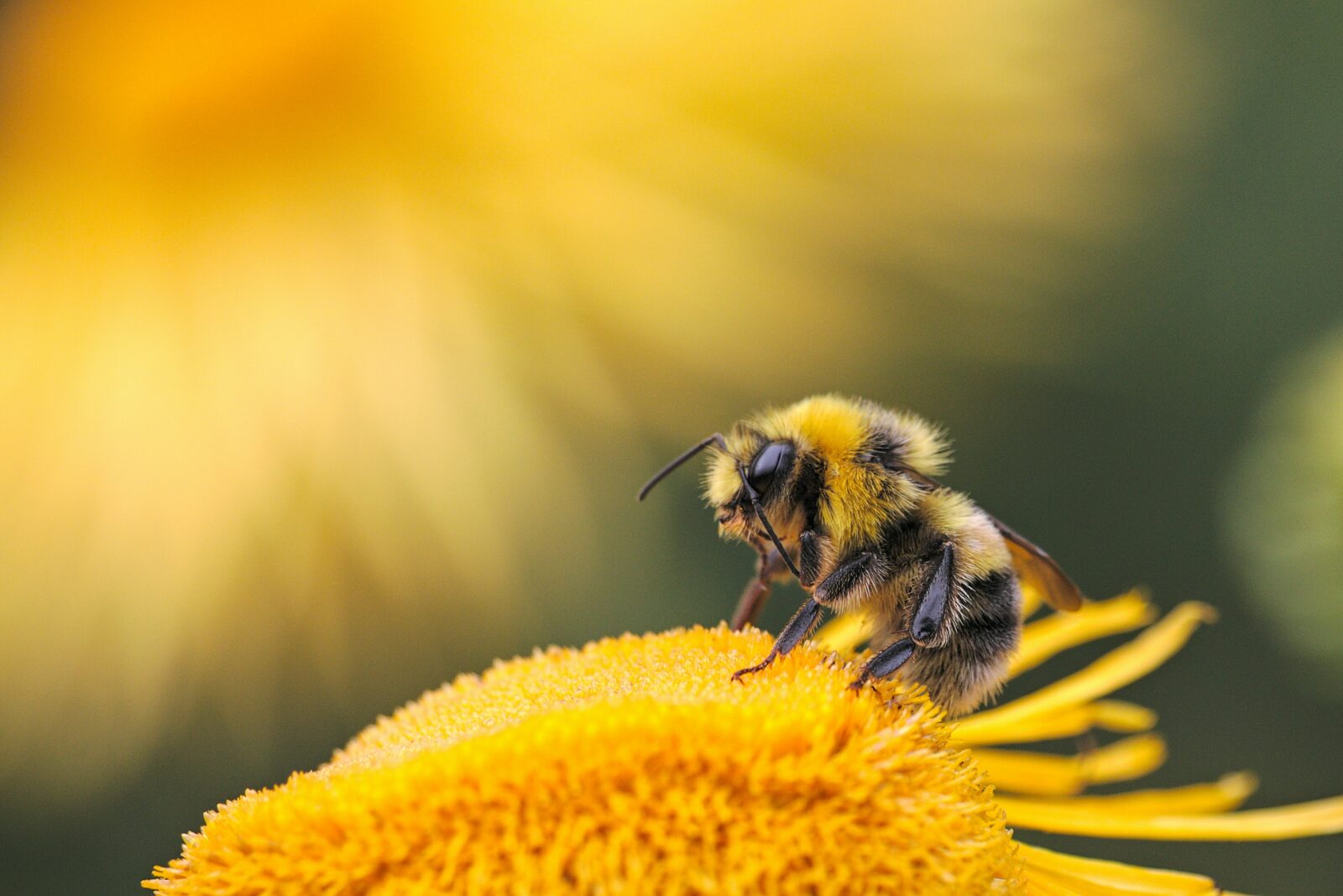
Bee propolis is a natural substance that is produced by bees from the resinous substances found in plants. It is a complex mixture of plant compounds, waxes, and resins. For centuries, it has been used for its various health benefits. Research suggests that bee propolis has several potential health benefits, including boosting the immune system, healing wounds, reducing inflammation, fighting cancer, relieving pain, protecting the heart, and improving oral health.
The immune system is a complex network of cells, tissues, and organs that work together to defend the body against harmful pathogens. Bee propolis has been found to have antimicrobial properties that can help boost the immune system by fighting off harmful bacteria and viruses. A study published in the Journal of Agricultural and Food Chemistry found that bee propolis has antimicrobial activity against a wide range of bacteria and fungi. Another study published in the Journal of Natural Products found that bee propolis can enhance the activity of natural killer cells, which play an important role in the immune response.
Wound healing is a complex process that involves a series of biological events that lead to the repair and regeneration of damaged tissues. Bee propolis has been shown to have wound-healing properties, making it useful in treating burns, cuts, and other skin injuries. A study published in the International Journal of Biological Macromolecules found that bee propolis can accelerate wound healing by promoting the proliferation and migration of skin cells. Another study published in the Journal of Ethnopharmacology found that bee propolis can improve the healing of diabetic foot ulcers by reducing inflammation and promoting tissue regeneration. These studies suggest that bee propolis may be a useful natural remedy for promoting wound healing and tissue repair.
Reducing inflammation is an important aspect of maintaining good health. Chronic inflammation has been linked to many chronic diseases, including heart disease, diabetes, and cancer. Bee propolis has anti-inflammatory properties that can help reduce inflammation in the body. A study published in the Journal of Ethnopharmacology found that bee propolis can reduce inflammation by inhibiting the production of pro-inflammatory cytokines. Another study published in the Journal of Agricultural and Food Chemistry found that bee propolis can reduce inflammation in the colon by suppressing the activation of NF-kB, a key regulator of inflammation. These studies suggest that bee propolis may be a natural remedy for reducing inflammation and preventing chronic disease.
Fighting cancer is one of the most promising potential benefits of bee propolis. Cancer is a complex disease that involves uncontrolled growth and division of cells. Bee propolis has been found to have anti-tumor properties and may help inhibit the growth of cancer cells. A study published in the Journal of Agricultural and Food Chemistry found that bee propolis can induce apoptosis, or programmed cell death, in cancer cells. Another study published in the Journal of Natural Products found that bee propolis can inhibit the growth of breast cancer cells by blocking the estrogen receptor. These studies suggest that bee propolis may be a promising natural remedy for fighting cancer.
Relieving pain is another potential benefit of bee propolis. Pain is a complex phenomenon that involves many different factors, including inflammation and nerve function. Bee propolis may have analgesic properties that can help relieve pain. A study published in the Journal of Ethnopharmacology found that bee propolis can reduce pain in rats by inhibiting the release of pro-inflammatory cytokines. Another study published in the Journal of Agricultural and Food Chemistry found that bee propolis can reduce pain in mice by activating the opioid receptors. These studies suggest that bee propolis may be a natural remedy for relieving pain.
Protecting the heart is an important aspect of maintaining good cardiovascular health. Heart disease is a leading cause of death worldwide. Bee propolis has been shown to have cardio-protective properties, which may help prevent heart disease. A study published in the Journal of Agricultural and Food Chemistry found that bee propolis can protect against oxidative stress, which is a key factor in the development of heart disease. Another study published in the Journal of Cardiovascular Pharmacology found that bee propolis can improve heart function and reduce the size of heart attacks in rats. These studies suggest that bee propolis may be a natural remedy for protecting the heart and preventing cardiovascular disease.
Improving oral health is another potential benefit of bee propolis. Oral health is important for overall health, and poor oral hygiene has been linked to a range of health problems, including heart disease and diabetes. Bee propolis has been found to have anti-bacterial properties that can help improve oral health by preventing cavities and gum disease. A study published in the Journal of Agricultural and Food Chemistry found that bee propolis can inhibit the growth of oral bacteria that cause cavities. Another study published in the Journal of Dentistry found that bee propolis can reduce inflammation and bleeding in patients with gingivitis. These studies suggest that bee propolis may be a natural remedy for improving oral health.
Final thoughts
Bee propolis is a natural and versatile substance with many potential health benefits. It has been found to boost the immune system, heal wounds, reduce inflammation, fight cancer, relieve pain, protect the heart, and improve oral health. While more research is needed to fully understand its effects and potential applications, the available evidence suggests that bee propolis may be a promising natural remedy for promoting overall health and well-being.
REFERENCES
Kumazawa, S., Hamasaka, T., Nakayama, T. & Ahn, M. R. Antioxidant activity of propolis of various geographic origins. Food Chem. 84, 329–339 (2004). https://doi.org/10.1016/S0308-8146(03)00216-4
Sforcin, J. M. Propolis and the immune system: a review. J. Ethnopharmacol. 113, 1–14 (2007). https://doi.org/10.1016/j.jep.2007.05.012
Bankova, V. Chemical diversity of propolis and the problem of standardization. J. Ethnopharmacol. 100, 114–117 (2005). https://doi.org/10.1016/j.jep.2005.05.004
de Castro, S. L. Propolis: Biological and Pharmacological Activities. Therapeutic Uses of this Bee-Product. Annu. Rev. Biomed. Sci. 6, 29–52 (2004).
Park, Y. K., Koo, M. H., Abreu, J. A. & Ikegaki, M. Composition and Antimicrobial Activity of Propolis Collected in Brazil. Rev. Bras. De Farmacognosia 14, 53–60 (2004). https://doi.org/10.1590/S0102-695X2004000100010
Toreti, V. C., Sato, H. H., Pastore, G. M. & Park, Y. K. Recent Progress of Propolis for its Biological and Chemical Compositions and Its Botanical Origin. Evid. -Based Complement. Altern. Med. 2013, 1–13 (2013). https://doi.org/10.1155/2013/697390
Seidel, V. et al. Pharmacological activities of South Brazilian propolis and its isolated compounds. Evid. -Based Complement. Altern. Med. 2013, 1–13 (2013). https://doi.org/10.1155/2013/964783
Oršolić, N. Bee products in cancer treatment. Cancer Metastasis Rev. 31, 173–194 (2012). https://doi.org/10.1007/s10555-011-9347-1
Khalil, M. L. Biological activity of bee propolis in health and disease. Asian Pac. J. Cancer Prev. 7, 22–31 (2006).
Siheri, W. et al. Biological properties and pharmaceutical potential of propolis. Phyther. Res. 28, 1596–1613 (2014). https://doi.org/10.1002/ptr.5175