
Cardiovascular diseases remain a leading cause of morbidity and mortality globally. A key contributor to these conditions is atherosclerosis, a disease characterized by the thickening of the artery walls due to the buildup of fats, cholesterol, and other substances. This buildup can lead to serious conditions such as myocardial infarction (heart attack). Fortunately, lifestyle and dietary choices play a crucial role in managing and potentially reversing this condition. This article explores seven natural substances that can help maintain arterial health and prevent cardiovascular diseases.
1. B Vitamins
B vitamins, including niacin (B3), vitamin B6, and folic acid (B9), have been shown to have a significant impact on reducing blood levels of homocysteine, a compound that is linked to the development of atherosclerosis. High levels of homocysteine in the blood can damage the lining of the arteries, promoting blood clots and buildup of plaque. Niacin, in particular, helps to boost levels of good HDL cholesterol while lowering triglycerides, fats in your blood that can clog arteries. Foods rich in B vitamins include whole grains, meats, eggs, and dairy products. Incorporating these foods into your diet can aid in preventing the thickening of arterial walls, known as intima-media thickening, thus reducing the risk of cardiovascular diseases.
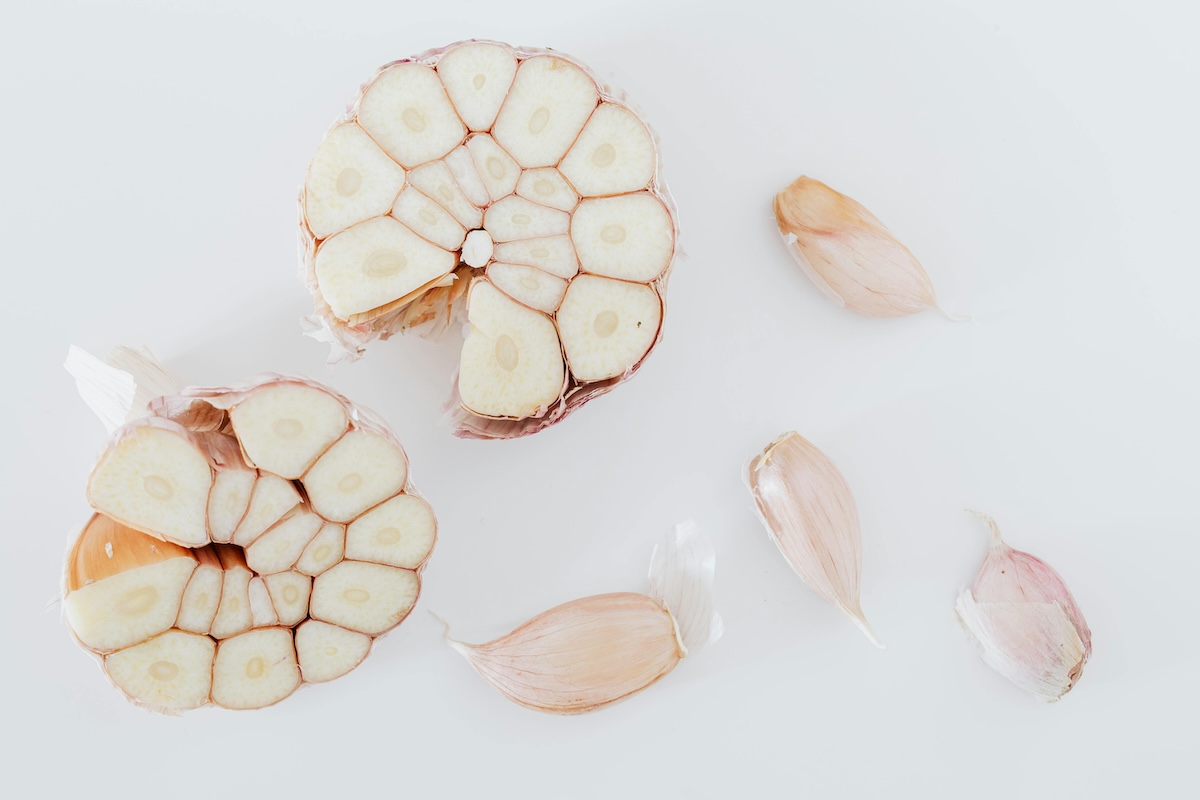
2. Garlic
Garlic is renowned not only for its distinctive flavor but also for its numerous health benefits, particularly in cardiovascular health. Garlic enhances the body’s pharmacological actions by promoting the production of nitric oxide, which helps the blood vessels to relax and dilate. This can help to reduce blood pressure, one of the risk factors for atherosclerosis and myocardial infarction. Several studies suggest that consuming garlic regularly helps to inhibit the progression of atherosclerosis and can moderately lower blood lipid levels, contributing to fewer arterial blockages.
3. Pomegranate
This vibrant fruit is packed with antioxidants, including polyphenols and ascorbic acid, which help to combat oxidative stress in the blood vessels, reducing the risk of disease within the cardiovascular system. Pomegranate juice has been shown to reduce intima-media thickening of the carotid artery by reducing blood pressure and oxidation of LDL cholesterol, which can stick to artery walls. Regular consumption of pomegranate or its juice not only can help reduce the buildup of plaque but also improve blood flow, thus offering a cardioprotective effect.
4. Fermented Cabbage (Kimchi)
Fermented foods like kimchi are not only a staple in Korean cuisine but also serve as a potent cardioprotective dish. Kimchi contains anti-atherosclerotic properties due to its rich content of vitamins, minerals, and antioxidants. The fermentation process increases the availability of these nutrients and produces compounds that can help reduce cholesterol levels, slow the development of atherosclerosis, and therefore reduce the risk of cardiovascular diseases. Furthermore, the high fiber content in kimchi helps in the excretion of cholesterol.
5. L-Arginine
L-Arginine is an amino acid that plays a vital role in the production of nitric oxide, a molecule that helps dilate blood vessels and improve blood circulation. This can help prevent myocardial infarction and other cardiovascular diseases by reducing artery-clogging plaque and lowering blood pressure. L-Arginine is found in nuts, seeds, oats, and lentils. Supplementing the diet with these foods can boost the body’s natural ability to fight artery blockages.
6. Turmeric (Curcumin)
Curcumin, the active ingredient in turmeric, has powerful anti-inflammatory and antioxidant properties. Inflammation is a significant factor in the development of atherosclerosis, and by reducing inflammation, curcumin can help reduce the buildup of plaque in the arteries. Turmeric also enhances the pharmacological actions of the body’s natural processes that repair damaged blood vessels and prevent blood clots. Including turmeric in your diet or taking it as a supplement can aid in the prevention of intima-media thickening and myocardial infarction.
7. Sesame Seeds
Sesame seeds are tiny powerhouses of nutrients, rich in sesamin and sesamolin—substances known to have cardioprotective effects. Studies have indicated that these substances can help prevent the progression of atherosclerosis by lowering blood pressure, reducing lipid levels, and preventing the oxidation of LDL cholesterol which is a key contributor to the buildup of plaque in the arteries. Regularly incorporating sesame seeds into your diet can be a delicious and natural way to help unclog your arteries.
Conclusion
Incorporating these seven natural substances into your diet can significantly benefit your cardiovascular health. By choosing foods rich in B vitamins, garlic, pomegranate, fermented cabbage, L-Arginine, turmeric, and sesame seeds, you can naturally reduce the risk of atherosclerosis and myocardial infarction. Remember, while diet plays a crucial role, it should be part of a holistic approach that includes regular physical activity and healthcare consultation to effectively manage and prevent cardiovascular diseases.