
The hormonal system of women is intricate and demands a precise equilibrium to function effectively. Various elements, such as diet, physical activity, stress, sleep, and contact with environmental pollutants, influence this balance.
Although not a cure-all, seed cycling is a simple method thought to promote hormonal well-being.
What Is Seed Cycling?
Seed cycling involves consuming particular seeds during the two primary phases of the menstrual cycle—the follicular and luteal phases—to foster a healthy balance of estrogen and progesterone levels. During the follicular phase (Days 1–14), women practicing seed cycling incorporate 1 to 2 tablespoons of pumpkin and flaxseeds daily. After ovulation, during the luteal phase (Days 15–28), these are swapped out for sunflower and sesame seeds.
According to a 2023 article in The Pharma Innovation International Journal, seed cycling may alleviate menstruation-related issues such as cramps, irregular menstruation, menopausal symptoms, infertility, and polycystic ovarian syndrome (PCOS).
The primary hormones governing menstruation are estrogen, progesterone, follicular stimulating hormone (FSH), and luteinizing hormone (LH). An imbalance in these levels can lead to various menstrual complications.
The Two Stages of the Menstrual Cycle
The initial phase of the menstrual cycle, termed the follicular phase, commences on the first day of menstruation and persists until ovulation, usually around 14 days. The follicular phase is focused on preparing the body for ovulation. When hormone levels are in harmony, estrogen levels should increase during this phase. Towards the end of the follicular phase, rising estrogen levels signal the hypothalamus to reduce FSH production. During this phase, LH levels also rise.
The second phase, known as the luteal phase, begins at ovulation and continues until the next menstrual cycle, typically lasting about 14 days. The luteal phase prepares the uterus for potential pregnancy by triggering hormones that thicken the uterine lining. In a balanced hormonal state, progesterone levels should rise while estrogen levels gradually decrease during this phase. Towards the end of the luteal phase, high progesterone levels signal to the anterior pituitary to decrease the production of FSH and LH. Around the 28th day, estrogen and progesterone levels rapidly decline.
How Seed Cycling Can Help
An imbalance between estrogen and progesterone can contribute to symptoms such as PMS, irregular cycles, menstrual cramps, and acne. Seed cycling aims to help maintain this delicate hormonal balance, potentially alleviating these common issues. A 2023 article in Food Science & Nutrition showed that seed cycling effectively improves hormonal disturbances and helps women with PCOS. The 12-week trial in the article demonstrated decreases in FSH and LH levels in women with PCOS. The combination used consisted of flaxseed, pumpkin, sesame, and sunflower seeds.
The article further highlighted a significant decrease in thyroid-stimulating hormone (TSH) levels in PCOS women treated with this seed combination. Additionally, women with PCOS, who often have enlarged ovaries detectable in pelvic ultrasounds, showed significant improvement after seed cycling, with pelvic scans revealing clear ovaries devoid of cysts.
Another 2022 case study in the Journal of Women Medical & Dental College showed that 37.3 percent of women with PCOS reported that their symptoms improved after seed cycling and following a portion-control diet. Additionally, a 2021 study indicated that omega-3 fatty acids from flaxseeds, pumpkin, sesame, and sunflower seeds could serve as a novel treatment for PCOS patients.
The Health Advantages of Seeds
The seeds utilized in seed cycling offer a range of benefits.
Flaxseeds
Flaxseeds are considered phytoestrogens due to their mild estrogen-like effects on the body, thus supporting healthy estrogen production. They also contain lignans, nutritional components that can bind to excess estrogen. Additionally, flaxseeds are rich in omega-3 fatty acids. These elements help lengthen the luteal phase, improve ovulation, and relieve PMS symptoms such as breast pain and cramping, according to the Pharma Innovation International Journal study.
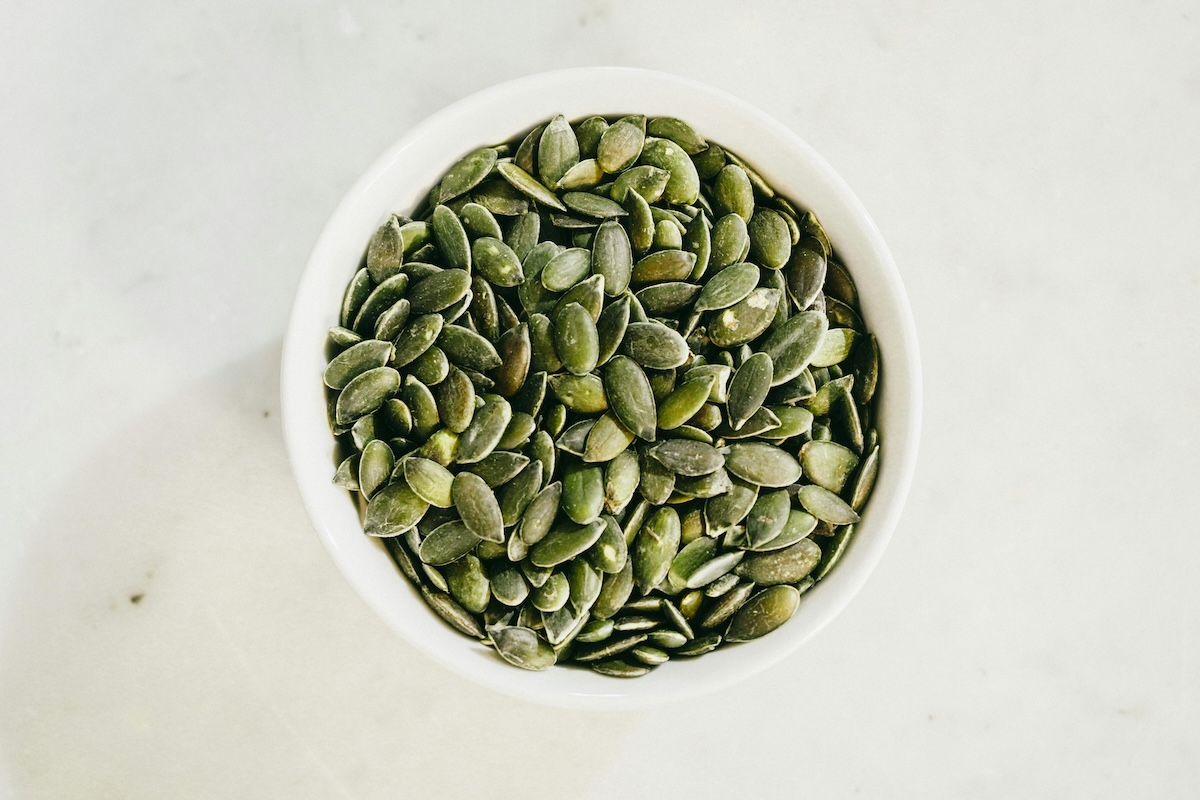
Pumpkin Seeds
Pumpkin seeds are rich in omega-3 fatty acids, which can help control elevated cholesterol and insulin levels associated with PCOS, according to the Food Science & Nutrition article.
They are also rich in phytoestrogens, which have an estrogenic effect on the body. The zinc in pumpkin seeds supports progesterone production, contributing to the rise in progesterone in the second phase of the menstrual cycle.
Sunflower Seeds
Sunflower seeds are a potent source of vitamin E, selenium, copper, folate, zinc, and phytochemicals. Vitamin E boosts progesterone production. Selenium, in particular, aids in the liver’s detoxification of excess estrogen during the luteal phase, when estrogen declines and progesterone rises.
Sesame Seeds
A 2006 randomized controlled trial showed that sesame seeds are beneficial for postmenopausal women because they improve blood lipid levels and boost antioxidant intake, as well as possibly balance the levels of sex hormones, antioxidants, and blood lipids. Sesame seeds are also high in lignans and zinc, which are thought to help with progesterone levels.
What to Know Before Starting
- Grind your seeds: Make sure to grind your seeds—especially sesame and flaxseeds—as your body will digest them better.
- Go raw: It’s best to use unsalted, unroasted, raw seeds to ensure all their nutrients are intact and nothing is lost during the roasting process.
- Store in the refrigerator: The polyunsaturated fats in seeds go rancid quickly and oxidize—especially in warmer temperatures and sunlight. Make sure to keep your seeds in a dark, cool place.
- Mind your regularity: Don’t have a regular, 28-day menstrual cycle? It’s best to follow a 14-day cycle for each phase of seed cycling. Adhering to this two-week rotation encourages your body to achieve an optimal menstrual cycle rhythm and help restore hormonal balance.
An Integrative Approach to Balancing Hormones
Various factors, including diet, metabolism, gut health, sleep, stress, mental health, age, and genetics, influence an individual’s hormonal health. All of these elements are crucial in balancing hormones. Consider integrating a few other recommendations to help balance hormones:
- Avoid excessive alcohol consumption, especially if you use it to wind down.
- Reduce caffeine intake, especially after 2:00 p.m. If you need to drink lots of coffee to function, it means you’re not getting enough sleep.
- Reduce processed and ultra-processed food consumption.
- Adopt a whole-food diet. Include colorful, whole plant foods such as vegetables, fruits, herbs, spices, grains, nuts, and seeds; they have phytonutrients that promote gut health, hormonal balance, and overall health. Nutrition influences cellular sensitivity to hormone signals by direct or indirect paths and is based on dietary patterns or specific nutrients.
- Add protein and healthy fats to your meals to support energy and blood glucose control. Proteins include nuts, seeds, legumes, meat, fish, and dairy (if tolerated).
- Include omega-3-rich foods such as sustainable oily fish (sardines, salmon, pilchards, anchovies, mackerel, herring, trout), omega-3-rich eggs, and grass-fed meat.
- Choose plant omega-3 sources such as chia seeds, flaxseeds, and walnuts.
- Opt for bitter-tasting vegetables such as radicchio, kale, broccoli, watercress, cabbage, parsnips, arugula, and cauliflower.