
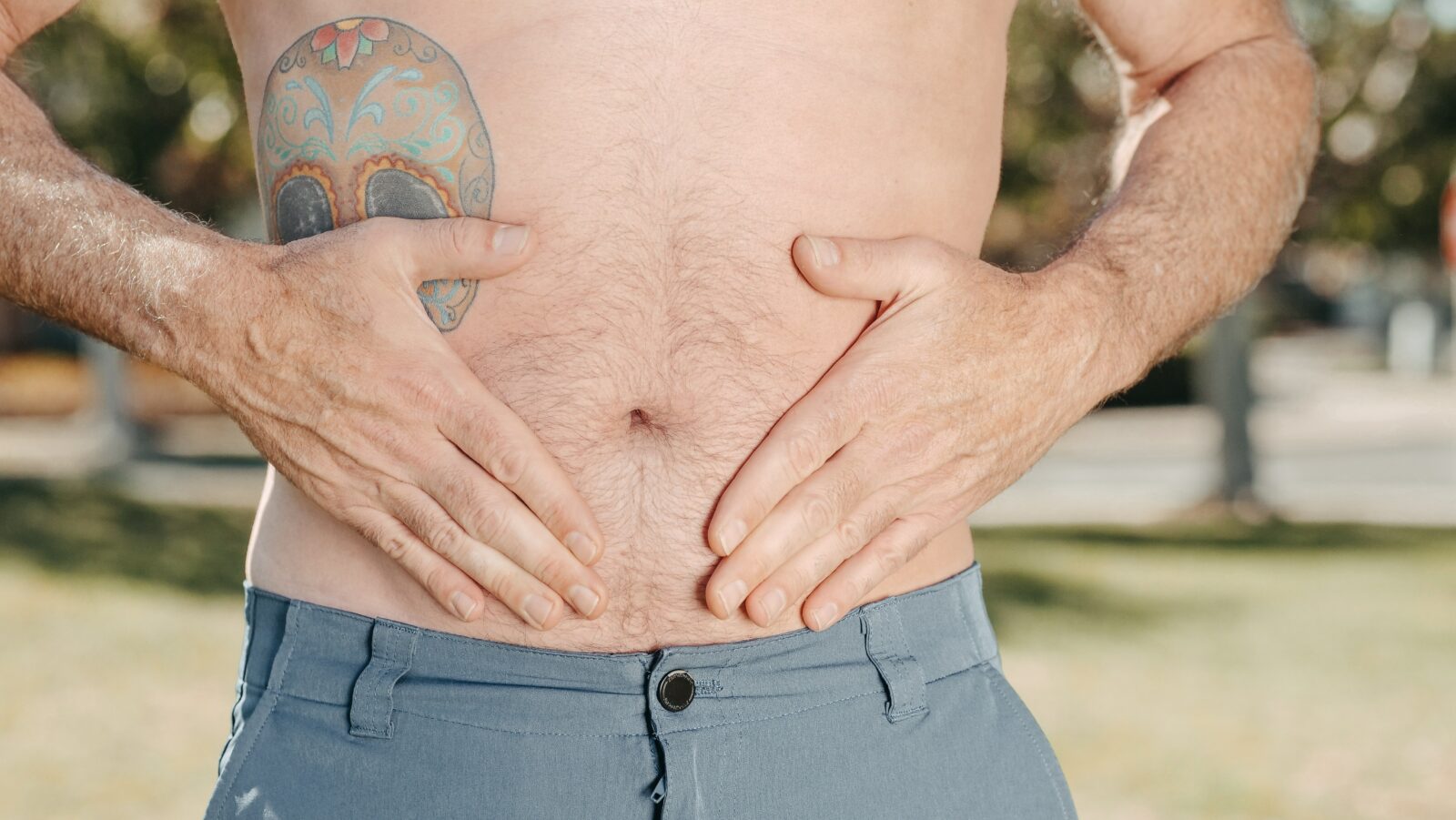
Gas, stomach pains, constipation, anxiety, brain fog, fatigue, difficulty focusing, pain, and other symptoms may actually be a result of an imbalance in your gut. Your gut is home to many bacteria, some of which are beneficial. Some of those bacteria are harmful; however, the beneficial bacteria keep the harmful bacteria under control. In gut dysbiosis, an overgrowth of harmful bacteria occurs causing an imbalance. This can lead to chronic symptoms and health problems. Fortunately, you can be proactive to restore balance, improve your gut microbiome, and eliminate dysbiosis.
Let’s take a deeper look at dysbiosis, symptoms, causes, and natural support strategies to rebalance your gut microbiome.
What is dysbiosis?
Your gut is home to around 1 trillion bacteria, many of which are beneficial and contribute to your body’s natural processes. As noted above, some bacteria are harmful. You need a healthy balance so your gut remains a healthy foundation for your overall well-being. You don’t want an overgrowth of harmful bacteria.
When an overgrowth does occur, you have gut dysbiosis. This may happen as a result of antibiotics, food sensitivities, an inflammatory diet, bacterial, viral, yeast, or fungal overgrowth, low stomach acid, chronic stress, a high toxic load, poor bile flow, or anxiety. Some symptoms may be mild; however, if you don’t address the problem, the imbalance can result in many unpleasant symptoms.
Gut dysbiosis can lead to more severe symptoms, inflammation, fatigue, chronic pain, and chronic health issues, including leaky gut syndrome, autoimmune conditions, fibromyalgia, thyroid issues, hormonal imbalance, poor immune health, diabetes, cardiovascular disease, neurological issues, cancer, and more.
Major symptoms of dysbiosis
While many of the major symptoms of gut dysbiosis are gut or digestive issues, you may be surprised to learn that many symptoms are not digestive problems. Here are the major symptoms of gut dysbiosis:
- Upset stomach
- Nausea
- Constipation
- Diarrhea
- Bloating
- Gas
- Insulin resistance
- Headaches and migraines
- Muscle and joint pain
- Chronic pain
- Poor immune system
- Bad breath
- Vaginal or rectal itching
- Difficulty urinating
- Fatigue
- Trouble sleeping or insomnia
- Difficulties thinking or concentrating
- Brain fog
- Poor memory
- Anxiety, depression, or other mood issues
- Skin rashes or redness
- Chest pain
- Weight gain
- Changes in appetite
Dysbiosis and leaky gut syndrome
Leaky gut syndrome is due to an increase in intestinal permeability. Your gut is semi-permeable. It allows micronutrients to pass through the walls so your body can absorb those nutrients. It also helps keep infections, toxins, large food particles, and other harmful invaders out of your bloodstream.
When the intestinal wall becomes damaged from infections, antibiotic overuse, environmental toxins, inflammatory diets, and stress, the microscopic holes in the wall become larger, which allows more things to pass through to your bloodstream. This means that not only micronutrients but also toxins, undigested food particles, and microbes can pass through and escape into your bloodstream. These pathogens, toxins, and other harmful particles then travel through your bloodstream to lodge into your joints, neural tissues, and major organs, including your brain and liver. This is called leaky gut syndrome.
Dysbiosis and inflammation
When this happens, your immune system reacts with an inflammatory response in these areas. Unfortunately, this problem is not temporary. It leads to chronic inflammation. Leaky gut and the chronic inflammatory response can destroy your joints, brain, and other organs. It increases the risk of autoimmune conditions while aging your body rapidly.
According to a 2012 study published in the Clinical Review of Allergy and Immunology, there is a link between leaky gut syndrome and autoimmune disease. A follow-up study in 2020 found that leaky gut syndrome may be the underlying cause of all chronic inflammatory diseases (CID) including tumoral, metabolic, infective, and autoimmune diseases.
Major causes of dysbiosis
Gut dysbiosis has a variety of causative factors. The gut microbiome is sensitive to inflammatory foods, pathogenic bacteria, harmful microbes, and chronic stress. Actions you can take to prevent dysbiosis include eating a healthy diet and keeping your stress down.
These are the most common causes of gut dysbiosis:
Bacterial overgrowth
Bacterial overgrowth is a common cause of gut dysbiosis and related symptoms. Helicobacter pylori (H. pylori) overgrowth is one of the main offenders. H. pylori can cause chronic gastritis, ulcers, stomach pain, bloating, and abnormal stools.
Another common cause is small intestinal bacterial overgrowth (SIBO). SIBO is a common cause of poor digestion, gas, bloating, cramps, food sensitivities, heartburn, leaky gut syndrome, inflammation, and other gastrointestinal issues.
Parasite or yeast overgrowth
A yeast or parasite overgrowth can seriously disrupt your gut microbiome and cause gut dysbiosis. Candida is the most common yeast overgrowth you may experience.
In small amounts, Candida is necessary for your body. In an overgrowth situation, Candida may cause a gut flora imbalance, abdominal bloating, gas, constipation, diarrhea, nausea, indigestion, headaches, yeast infections, fatigue, skin infections, depression, anxiety, and other symptoms.
Candida overgrowth is fed by an inflammatory diet that includes high amounts of sugar, a toxic overload, and an unhealthy lifestyle.
Parasites are microorganisms that can enter your body through contaminated food or drinks. A parasite infection may lead to chronic pain, headaches, digestive problems, diarrhea, gas, bloating, constipation, depression, and other symptoms.
Food sensitivities
Food sensitivities are one of the major causes of gut dysbiosis. Food sensitivities are more subtle than food allergies. They may be difficult to recognize and often don’t appear until several hours to several days after eating
Common symptoms of food sensitivities include bloating, diarrhea, constipation, pain, fatigue, skin issues, and brain fog. If you continue to consume a food to which you are sensitive, your symptoms can become chronic and lead to gut dysbiosis.
The most common food sensitivities include gluten, sugar, dairy, soy, eggs, corn, and nuts. You may be sensitive to other, less common culprits.
Low stomach acid
Hydrochloric acid or stomach acid helps to sterilize the food that passes into your gut. It also helps to break down protein. Stomach acid is critical for good digestion and gut flora balance. Low stomach acid may happen due to a poor diet, H pylori infection, stress, or antibiotic use. It can lead to gas, bloating, acid reflux, and other digestive problems characterized by gut dysbiosis.
Low stomach acid feeds the cycle of gut dysbiosis, poor digestion, gut microbial overgrowth, poor nutrient absorptions, chronic gut inflammation, leaky gut syndrome, and increased stress hormones.
Poor bile flow
Bile is made up of cholesterol, bile salt, and bilirubin. It is a greenish-brown liquid that helps to emulsify fats to allow the breakdown and absorption of food in your small intestine. It also helps to pass waste products through your intestines so they can be released through bowel movements.
Healthy bile flow is necessary for your gut health. Poor bile flow can lead to poor fat absorption, malnutrition, blockages in your gallbladder, toxin accumulation, microbial overgrowth, and gut dysbiosis. It may cause abdominal bloating and other gastrointestinal symptoms associated with gut dysbiosis.
Support strategies for gut dysbiosis
Gut dysbiosis may develop due to a variety of dietary, lifestyle, environmental, and health factors. Fortunately, you can use some simple support strategies to improve your gut flora naturally.
Try a low-FODMAP diet
The low-FODMAP diet is typically recommended for people with SIBO and digestive problems. A low-FODMAP diet may help gut dysbiosis.
Low-FODMAP vegetables include carrots, green beans, arugula, mint, basil, pepper, olives, pumpkin, cucumbers, zucchini, Swiss chard, lettuce, radishes, parsnips, sprouts, kale, collard greens, tomatoes, potatoes, and sweet potatoes. Low-FODMAP fruits include lemon, lime, strawberries, raspberries, blueberries, kiwi, grapes, papayas, melon, pineapples, and tangerines. Other low-FODMAP foods include egg, meats, fish, Brazil nuts, chestnuts, butter, bone broth, seafood, quinoa, millet, rice, walnuts, and pine nuts.
Try an elimination diet
Because food sensitivities are a major cause of gut dysbiosis, an elimination diet is an effective strategy to identify underlying food sensitivities. Begin an elimination diet targeting the most common culprits: gluten, dairy, refined sugar, corn, soy, eggs, all grains, vegetable oils, shellfish, tree nuts, legumes, and nightshade vegetables (tomatoes, eggplant, potatoes, peppers).
You may eliminate any other foods that you suspect to be a trigger. Eliminating them means completely removing them from your diet. Even one bite may trigger a response.
After a two-week elimination phase, introduce foods to your diet one by one. As you add in a new food every two to three days, keep track of any symptoms that may occur. A food diary is helpful. Any food that causes symptoms should be eliminated from your diet.
In general, removing highly inflammatory foods like refined sugar, gluten, vegetable oils, and dairy from your diet is a good idea even if you are not sensitive to them.
Try a prebiotic-rich diet
Probiotics are beneficial, and prebiotics are important as well. Prebiotics help feed the good bacteria in your gut. Prebiotic-rich foods include Jerusalem artichokes, leeks, onions, garlic, asparagus, dandelion, chicory greens, jicama, apples, and bananas. Eat these and other prebiotic-rich foods regularly.
Try a semi-elemental or elemental diet
An elemental diet may help a severe case of gut dysbiosis. It is a diet that uses nutritional formulas with pre-digested foods. The powders include complete macronutrients, vitamins, and minerals, and they replace all or some of your meals.
The elemental diet or a semi-elemental diet is often used for SIBO, Crohn’s disease, and eosinophilic esophagitis. A 2004 study published in Digestive Diseases and Sciences has shown that a 14-day elemental diet improved SIBO in 80 percent of cases. Please check with your doctor if you wish to try an elemental diet.
Improve vagus nerve function
Your vagus nerve extends from your brain stem through your neck into your chest and abdomen. Your vagus nerve connects your brain and gut. It regulates digestion, breathing, heart rate, blood pressure, and your moods. A malfunctioning vagus nerve can cause problems with your digestion and gut microbiome. It plays a key role in inflammatory disorders, digestion, and mental health conditions.
To improve vagus nerve function, get quality sleep, lower stress levels, practice breathing exercises, meditate, practice gratitude, stay connected with loved ones, eat an anti-inflammatory diet, try movement therapies, and practice intermittent fasting.
Support stomach acid and bile flow
Supporting stomach acid and bile flow is key for digestive and microbiome health. To reduce stomach acid, try Betaine HCL with meals or a supplement made with betaine hydrochloride (HCl), an excellent source of hydrochloric acid, dipeptidyl peptidase IV (DPPIV), and ox bile extract and lipase to emulsify and digest fats and fat-soluble vitamins.
You may also add some herbs and other foods that support your bile flow, including dandelion greens, turmeric, ginger, milk thistle, parsley, cucumber, mint, radish, artichoke, cilantro, apple cider vinegar, green tea, and sauerkraut. You can consider a supplement for liver support with nutrients including choline, taurine, and methionine.
Intermittent fasting
Intermittent fasting is a type of fasting that you practice daily for a time. Intermittent fasting may help to increase cellular autophagy and cellular repair, lower inflammation levels, improve insulin sensitivity, improve immune regulation, and reduce the risk of chronic diseases. It supports your microbiome diversity, digestion, and may help with irritable bowel syndrome.
You can begin with 12 hours of fasting, including your overnight sleep. Over time, slowly increase your fasting window to what works for you. Most people feel the best fasting for 16 hours a day with an 8-hour eating period.
Test and treat gut infections
Testing and treating gut infections is critical to recovering from symptoms of gut dysbiosis. A GI Map Stool Test may be helpful to determine the causes of your dysbiosis. The results will help to determine the appropriate lifestyle changes and supplementation you need for improved digestive health and gut microbiome balance.
Improve bowel motility
This is crucial to address gut dysbiosis and improve digestion overall. Proper hydration and electrolyte balance is the first step. Drink plenty of clean, purified water throughout the day. Consume hydrating fruits and vegetables, herbal tea, green juices, and green smoothies. Eliminate caffeine, alcohol, sodas, and sugary drinks.
Consume plenty of fiber, and add prebiotics to your diet. Experiment with the amounts if they cause digestive issues like constipation or diarrhea. Magnesium helps support bowel motility and smooth bowel movements. Try a supplement with magnesium.
Use probiotics
Probiotics are beneficial microorganisms that help to repair gut dysbiosis by rebalancing the gut flora with their healthy, gut-supporting presence. Probiotic-rich foods include sauerkrauts, kimchi, kefir, kombucha, and yogurt. You will likely need a probiotic supplement as well if you are addressing gut dysbiosis. Taking probiotic supplements daily is very important for your gut health.
There are four types of probiotics you may use:
- Food-based probiotics
- Probiotic yeast
- Soil-based (SBO) probiotics
- Combination probiotics
For SIBO, a soil-based probiotic is better than the other options. SBO probiotics are generally a good place to start if you are new to taking probiotic supplements. Or, try each type separately for 7 days and monitor your symptoms. It’s important to rotate your probiotic brands every 1 to 3 months cycling between different probiotics that work for you to diversify your gut flora.
Use carminative herbs
Carminative herbs may be beneficial to your gut health. To improve gut dysbiosis try using some carminative herbs including:
- Gentian: Gentian may help healthy bile flow and provide relief for an upset stomach, abdominal bloating, and heartburn.
- Lemon Balm: Lemon balm may benefit your digestion and lowers abdominal bloating, gas, and indigestion.
- Fennel: Fennel may improve your natural enzyme activity in your small intestine and lowers any gut discomfort.
- Ginger: Ginger is an anti-inflammatory herb abundant in gut-health benefits. It may reduce indigestion, bloating, belching, nausea, and other gut discomforts.
- Dandelion: Dandelion tea is a delicious tea that may ease abdominal cramping, upset stomach, indigestion, constipation, diarrhea, and other digestive discomforts.
Use activated charcoal for immediate relief
While following a healthy diet and lifestyle that support your gut health and may serve as a preventative measure, you may occasionally need quick relief for your symptoms of gut dysbiosis. Activated Coconut Charcoal is one of the oldest detoxifying remedies that may provide relief from bloating and gas.
Activated charcoal may be helpful for excessive intestinal gas. It absorbs toxins to reduce symptoms of gut dysbiosis, such as digestion issues, fatigue, and brain fog.
Final thoughts
Gut dysbiosis is a common cause behind many chronic symptoms and health issues. Identifying gut dysbiosis and its causes is the first step to recovery and improved overall well-being.
Understanding gut dysbiosis can help you and your health care provider develop a personalized plan and correct an unhealthy gut microbiome while addressing underlying issues. Follow the tips above for resolving gut dysbiosis to regain your energy and vitality.