
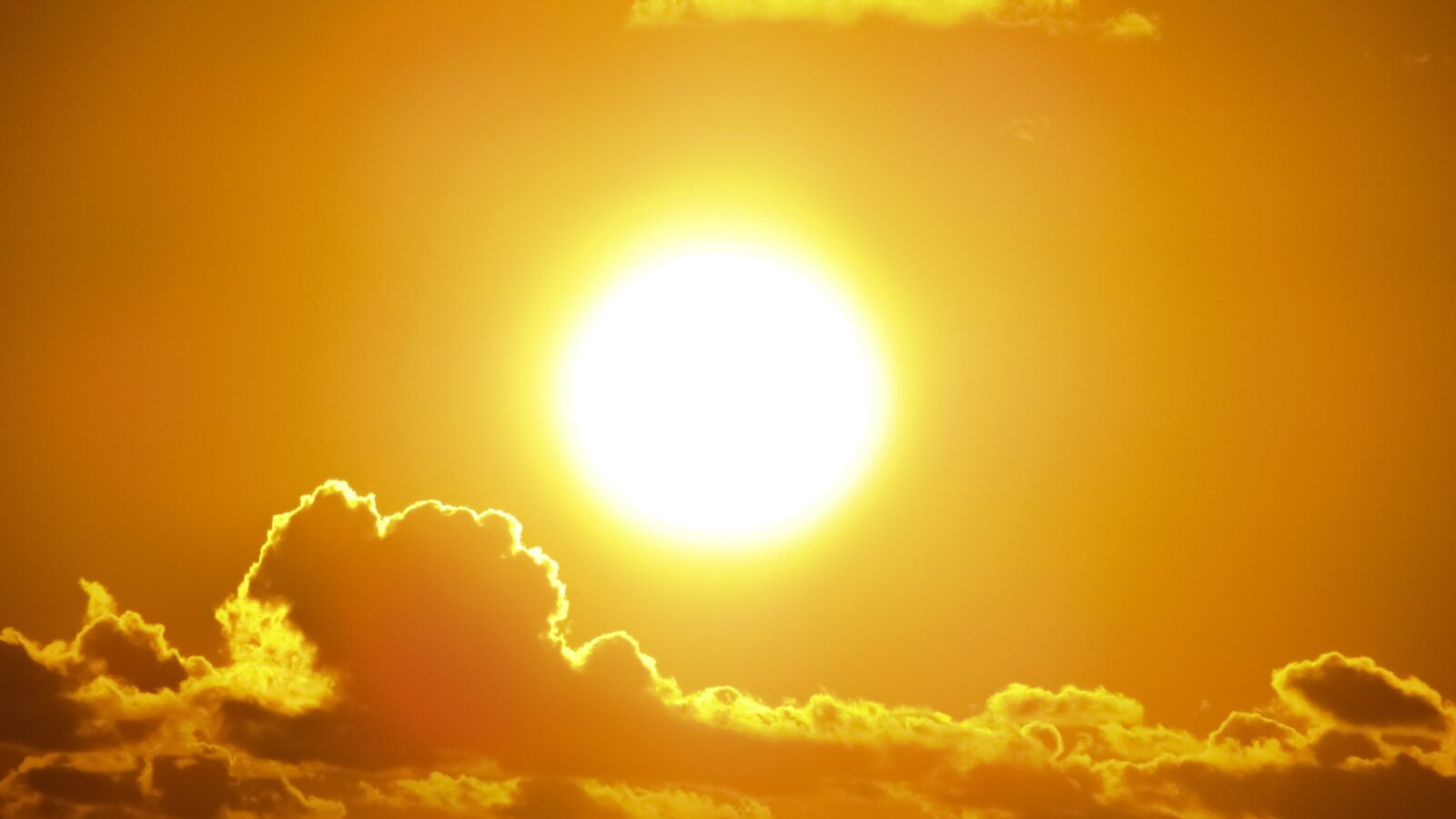
We’re in the midst of summer, which means plenty of outdoor time at the park, beach, or simply on the patio. Most of us are headed outside with pale skin from the winter months, which makes us more vulnerable to UV rays, sun damage, and skin cancer risk.
We need some sun exposure to produce vitamin D, but there are risks from overexposure to UV rays like degradation of collagen, leathery skin, and skin cancer.
The marketplace is replete with sunscreens that offer protection but also come with exposure to toxic chemicals. Plus, spray-on sunscreen products can expose you to the risk of inhaling nanoparticles.
Interestingly, the emerging science of nutraceutical skin protectants offers a second line of defense against skin aging from UV exposure and skin cancer. Sunscreens are still the first line of defense, as is staying out of the sun between 10:00 a.m. and 2:00 p.m. and wearing hats. Let’s take a look at these new products.
Astaxanthin: Astaxanthin is a carotenoid antioxidant. When taken at appropriate doses, it increases skin pigmentation, which is a sort of natural sun shield. It is found in salmon, shrimp, and krill. Research also suggests that it may reduce skin wrinkling and minimize loss of skin elasticity. The downside is that the additional pigmentation may appear somewhat orange-ish.
Vitamin E: Vitamin E is a powerful antioxidant. A study conducted in 2000 found that vitamin E could prevent sun damage to your skin. Its benefits increased when combined with beta carotene. However, a different study found no benefits. The topical application of vitamin E and vitamin C has been demonstrated to slightly inhibit sunburn, which is why many sunscreen products contain them.
Lycopene: Another member of the carotenoid family, tomatoes, and watermelon are rich natural sources of this potent antioxidant. Research demonstrates that simply eating tomato paste daily for ten weeks reduced sunburn by a significant 40%. We aren’t recommending that you add tomato paste to your daily routine, but you may see lycopene begin to show up in sun products.
Vitamin D: You need some sun exposure for your body to produce vitamin D. The key is to limit UV exposure and avoid a sunburn. In addition, vitamin D is a potent inhibitor of cancer, and researchers are looking at ways to slightly alter its chemical structure to devise anti-skin cancer drugs. Getting adequate amounts of vitamin D may play a role in melanoma prevention.
EGCG: Epigallocatechin gallate (EGCG) from green tea has been shown to have generalized anti-cancer effects. Clinical trials are being conducted to determine if topical application of EGCG can slow or inhibit the progression of basal cell skin cancer; some studies suggest taking it orally has the same effect.
Curcumin: Curcumin is a powerful anti-inflammatory. It is being studied to determine if it can inhibit the replication of melanoma cells. Skin products with curcumin may help reverse skin damage caused by UV overexposure.
Pycnogenol: An extract of the bark of the French maritime pine, pycnogenol is rich in anti-oxidant proanthocyanidins. Topical application of pycnogenol after UV exposure significantly decreases the inflammatory response, resulting in less swelling and redness. It may also prevent the loss of skin elasticity and wrinkling.
Grapeseed extract: Grapeseed extract is high in proanthocyanidins. In one study involving mice, oral supplementation with grapeseed extract reduced the incidence and severity of skin cancer due to UV radiation exposure.
Cocoa flavanols: Cocoa is rich in polyphenols that have antioxidant and anti-inflammatory properties; they may provide skin-protective effects. A study demonstrated that regular consumption of chocolate rich in flavanols provided significant photoprotection and can be effective at protecting human skin from damaging UV effects.
Niacinamide (Vitamin B3): Researchers are conducting clinical trials in Australia to determine if niacinamide can lower the risk of skin cancer due to sun exposure.
One study involved 386 people who had had at least two skin cancers within the last five years. They took 500 mg of niacinamide twice daily for one year and the results were compared to a placebo group. There was a 23% reduction in skin cancers in the niacinamide group. There was a reduction in actinic keratoses by 11% after just 3 months of use, and by 20% after 9 months of use.
These results were applicable to basal cell and squamous cell skin cancers but not the more deadly melanoma. While niacinamide is not typically considered an antioxidant, it plays a role in stabilizing DNA replication.
While perhaps not for everyone, high-dose B3 might prove helpful for individuals who require frequent “barnacle scrapings” at the dermatologist. If you use this supplement, remember that it is different than niacin B3, which causes unpleasant flushing and even liver damage in some people who take high doses unsupervised.
Final thoughts
We can enjoy being outdoors in the summer sun when we take prudent precautions. The nutraceuticals above may help in the fight against the dangers of UV rays and overexposure. Enjoy the beach and barbecue. Enjoy time with your family and friends. And keep it safe!