
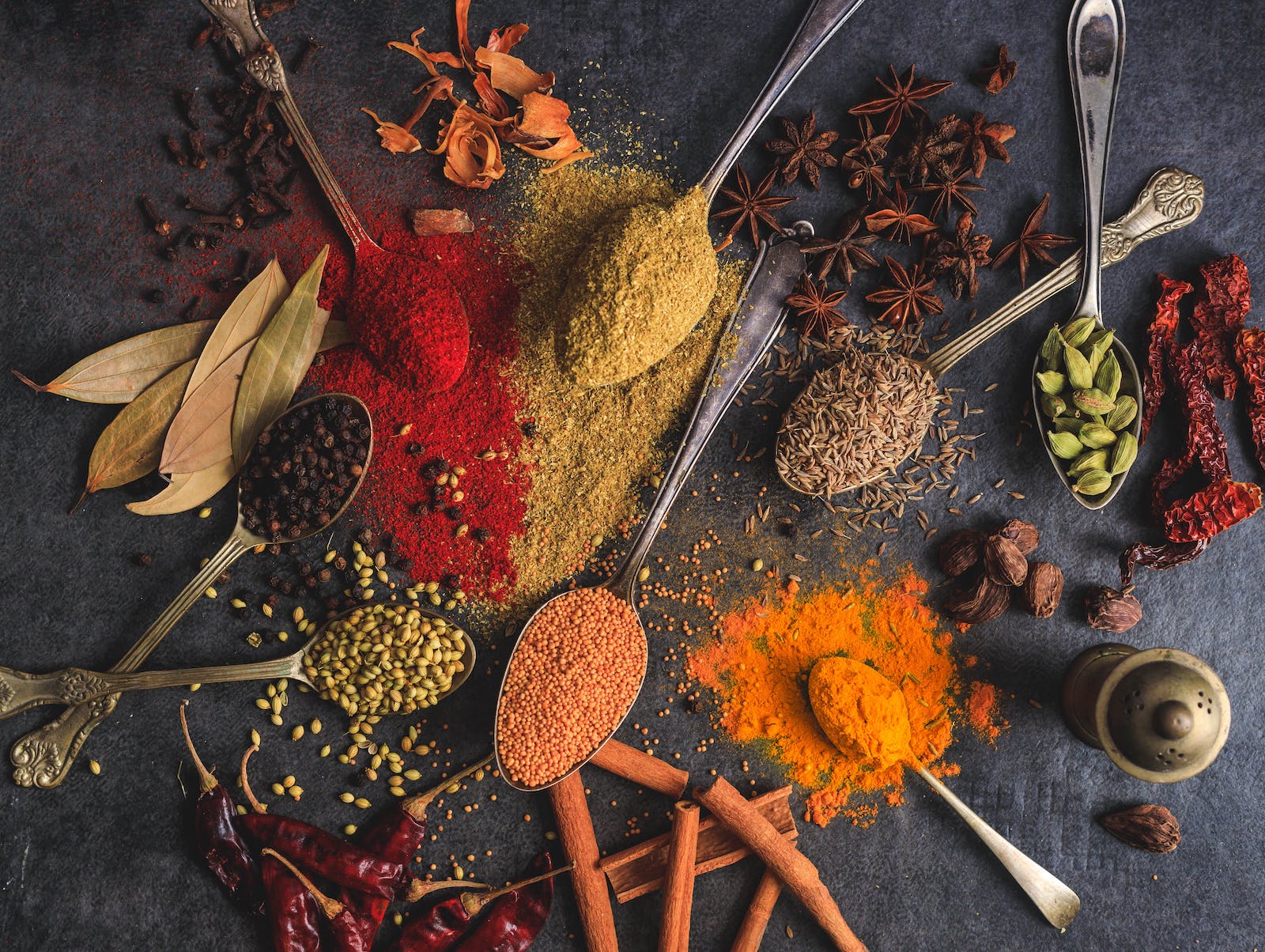
Spices offer remarkable health benefits, yet there are instances when they become problematic due to heavy metal contamination and exposure to radiation. Discover what factors to be cautious of when selecting spices for your culinary needs.
Enhancing both taste and well-being, the addition of herbs and spices to your meals provides a straightforward approach. Incorporating around 1 teaspoon in total each day of cinnamon, ginger, cumin, turmeric, rosemary, oregano, basil, or thyme can even foster an improvement in gut bacterial diversity within four weeks.
However, concealed within the advantageous polyphenolic components, there lurks a concealed danger – the presence of toxic heavy metals like lead, cadmium, and arsenic. A comprehensive evaluation of 126 spice products from prominent brands including Trader Joe’s, McCormick, and Whole Foods unveiled that nearly a third of these contained levels of heavy metals that could jeopardize your health.
Approximately 32% of Spices Carry Heavy Metal Contaminants
Consumer Reports meticulously analyzed 126 varieties of dried spices and herbs sourced from brands such as Penzeys, Spice Islands, Great Value (Walmart), and La Flor. Alarmingly, almost 32% of these products contained a combined quantity of lead, arsenic, and cadmium that could potentially impact the health of children who consume them regularly.
The risk extended to adults, as several of these products held heavy metal levels that could pose threats. The assortment of tested spices included:
- Basil
- Black pepper
- Chili
- Coriander
- Cumin
- Curry powder
- Garlic powder
- Ginger
- Oregano
- Paprika
- Saffron
- Sesame seed
- Thyme
- Turmeric
- White pepper
Particularly concerning were thyme and oregano, both consistently revealing elevated heavy metal content in every examined sample. In some instances, lead content surpassed daily recommended limits in 31 products.
It’s noteworthy that even reputed brand-name products and organics, including those produced within the U.S., exhibited concerning levels of heavy metal contamination, raising questions about their safety.
Heavy Metals Found in Spices Implicated in 19% of Childhood Lead Poisoning Cases
The pervasiveness of heavy metal contamination within spices is evident. A study by the Douglas County Health Department in Nebraska illuminated that tainted spices stand as the second-leading cause of lead poisoning in children within the region, second only to lead paint.
Lead was detected in every tested spice, spanning conventional and organic varieties of basil, turmeric, ginger, thyme, curry powder, and ginger root. Shockingly, 19% of lead poisoning cases in Douglas County children during 2021 were connected to the consumption of spices. Brian Ronholm, Food Policy Director at Consumer Reports, conveyed to Food Safety News:
“This highlights the gravity of the issue and emphasizes the urgency for the FDA to take action by setting stringent, explicit limits. Given that spices are a near-daily consumption item, coupled with the potential long-term repercussions of childhood exposure to heavy metals, the necessity for more rigorous regulations is pressing.”
Spices Also Subject to Irradiation
Spices, like many other foods in the U.S., are subjected to ionizing radiation as a purported method for eradicating microorganisms and insects. While the FDA asserts that this procedure enhances food safety, the fact remains that exposure to gamma rays from radioactive Cobalt 60 leads to the demise of microbes and insects.
Regrettably, irradiation not only leads to nutrient depletion but also engenders the formation of “radiolytic” products. A study examining nine herbs and spices after irradiation at commonly employed commercial levels unveiled an escalation in quinone radical content.
The study, featured in Food Chemistry, disclosed that quinone radical content more than doubled in parsley, rosemary, oregano, sage, black pepper, and bird pepper, while increasing over fivefold in cinnamon and almost sevenfold in nutmeg. Although basil exhibited minimal change, this radical content remained largely consistent. Moreover, irradiation led to a decrease in antioxidant levels within the spices. Significant losses of vitamin C in black pepper, cinnamon, nutmeg, oregano, and sage, as well as a notable decrease in carotenoids in cinnamon, oregano, parsley, rosemary, bird pepper, and sage, were observed.
To ascertain the spices you consume remain free from irradiation, opting for organic varieties is advisable, given that organic foods cannot undergo irradiation. Unfortunately, this choice doesn’t guarantee the absence of heavy metals.
Guidelines for Selecting Safe Spices
Multiple lawsuits have been filed against Walmart, Amazon, and McCormick & Co., claiming that these companies neglected to inform consumers about the presence of toxic heavy metals in their spice products. One lawsuit against McCormick asserts that the company demonstrated a disregard for consumers’ health and well-being by endangering them with heavy metal exposure, potentially leading to lower IQ, cancer, behavioral issues, and reproductive problems.
While these cases may encourage manufacturers to adopt more meticulous testing and quality control measures, it’s prudent to opt for spices from companies that transparently test their products for heavy metal content. Consumer Reports has also compiled a list of herbs and spices typically found to have lower levels of heavy metals, including:
- Black pepper
- Coriander
- Curry powder
- Garlic powder
- Saffron
- Sesame seeds
- White pepper
Additionally, choosing organic spices is recommended to avoid irradiation. Alternatively, cultivating and drying your own spices presents an excellent method for obtaining non-irradiated, pure spices. Among the spices found to contain elevated heavy metal levels, such as thyme and basil, many are easily cultivated at home.
In conclusion, it’s vital not to forego the inclusion of these superfoods in your diet, as doing so would mean missing out on numerous health advantages. Culinary herbs and spices have the potential to address a wide array of health conditions. Therefore, opt for reputable sources, consider growing your own, and savor the rich flavors and nutritional benefits that these natural compounds bestow.