
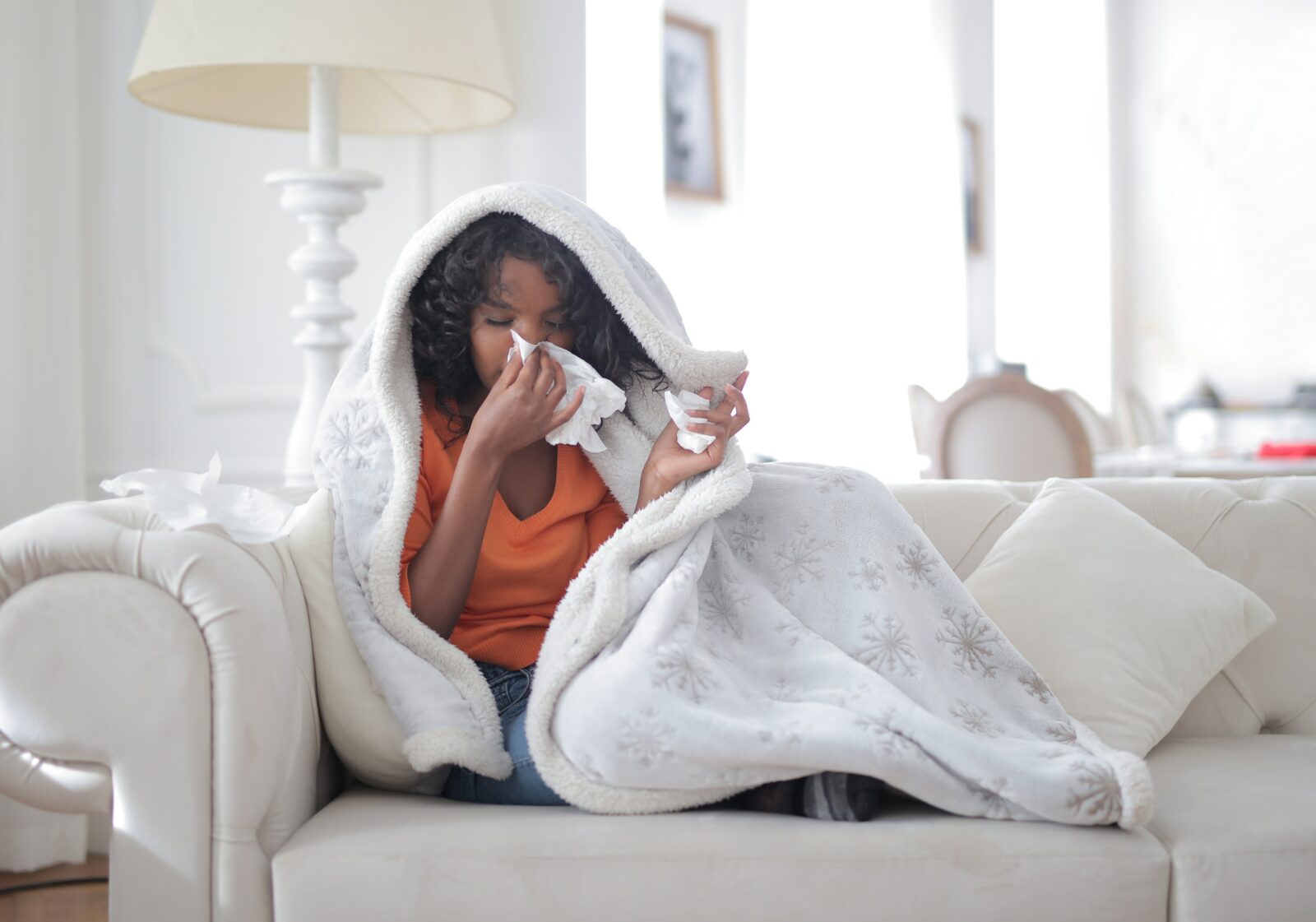
Treatment for Lyme disease is an absolute necessity. However, if you have just been diagnosed, you may have heard of the unpleasant Jarish-Herxheimer reaction, aka “herx.” Horror stories abound, and for many Lyme patients, it’s enough to create some anxiety. In some cases, patients choose to delay or reject treatment completely to avoid the herx reaction, which can increase the discomfort of Lyme disease symptoms.
What is a Herxheimer Reaction?
A herxheimer reaction occurs when bacteria from Lyme disease and coinfections or yeast are killed off during antimicrobial treatments, such as herbal therapies or antibiotics. Typically, a herx reaction will occur at the beginning of treatment. However, it may also occur during different phases of treatment.
As bacteria or yeast die off, the body releases pro-inflammatory proteins (known as cytokines) in response to an influx of toxins. While some cytokine activity bolsters the immune system to fight infections, too many of these chemicals can have adverse effects. Too many cytokines lead to fatigue, pain, cognitive issues, a suppressed immune system, and brain fog. In a very real way, a herx reaction means a worsening of many of the symptoms of Lyme disease.
Can you take some proactive measures to lessen the herx reactions? Yes, using various supplements, detox methods, and lifestyle changes, you can lessen the reaction and support your body during treatment.
5 Ways to Manage Herxheimer Reactions
- Activated charcoal. You may benefit from this inexpensive supplement that can reduce the body’s inflammatory response to toxins. If you tend to be sensitive to medications and supplements, activated charcoal offers a gentler approach to binding adverse substances and helping with their removal from your system.
Consult with your doctor before using any toxin binders, as they must be taken a few hours away from other medications, herbs, or supplements to prevent these remedies from getting absorbed, as well. - Glutathione. Glutathione is often called the body’s master antioxidant. It helps support the liver through the detoxification process. You can find this supplement in an oral form, called liposomal glutathione, and in an intravenous drip. It is a little more expensive, but it does offer relief from the effects of a herx reaction while improving energy, reducing brain fog, and promoting sounder sleep.
- Epsom salt baths. Magnesium sulfate, the primary mineral in Epsom salts, has a relaxing effect on muscles and the nervous system and is an inexpensive way to diminish herxes during Lyme disease treatments. This mineral-rich salt reduces pain and inflammation while supporting the detoxification process of the liver and skin. Sulfate draws out toxins through the skin and cleanses the liver by enhancing the production of bile.
- Physical activity. While exercise is probably the last activity you feel like doing when you’re experiencing a herx, it can be one of the best ways to reduce your symptoms when done appropriately. Your lymphatic system is stimulated through the movement and contractions of your muscles.
Keep in mind two important points when adding physical activity to your treatment protocol. First, don’t overexert yourself. If you feel exhausted after exercise, you most likely overexerted yourself. Second, avoid strenuous aerobic activity, which can suppress the immune system for up to 24 hours afterward. Before undertaking an exercise program, check with a physical therapist or trainer to develop an individualized program to rebuild your stamina and strength. - Infrared sauna treatments. Infrared saunas assist the body with the elimination of toxins and heavy metals that are stored in fat cells. An infrared sauna is different from steam saunas. The temperature range for an infrared sauna is typically 110-130 degrees (depending on the machine), which is significantly less than a steam sauna. Infrared saunas heat the body from the inside out, allowing the heat to penetrate more deeply. A 30-minute sauna session improves circulation, reduces pain, helps you feel calmer, and assists your body with detoxification. Before participating in an infrared sauna, check with your doctor. Some conditions are contraindicated for sauna sessions.