
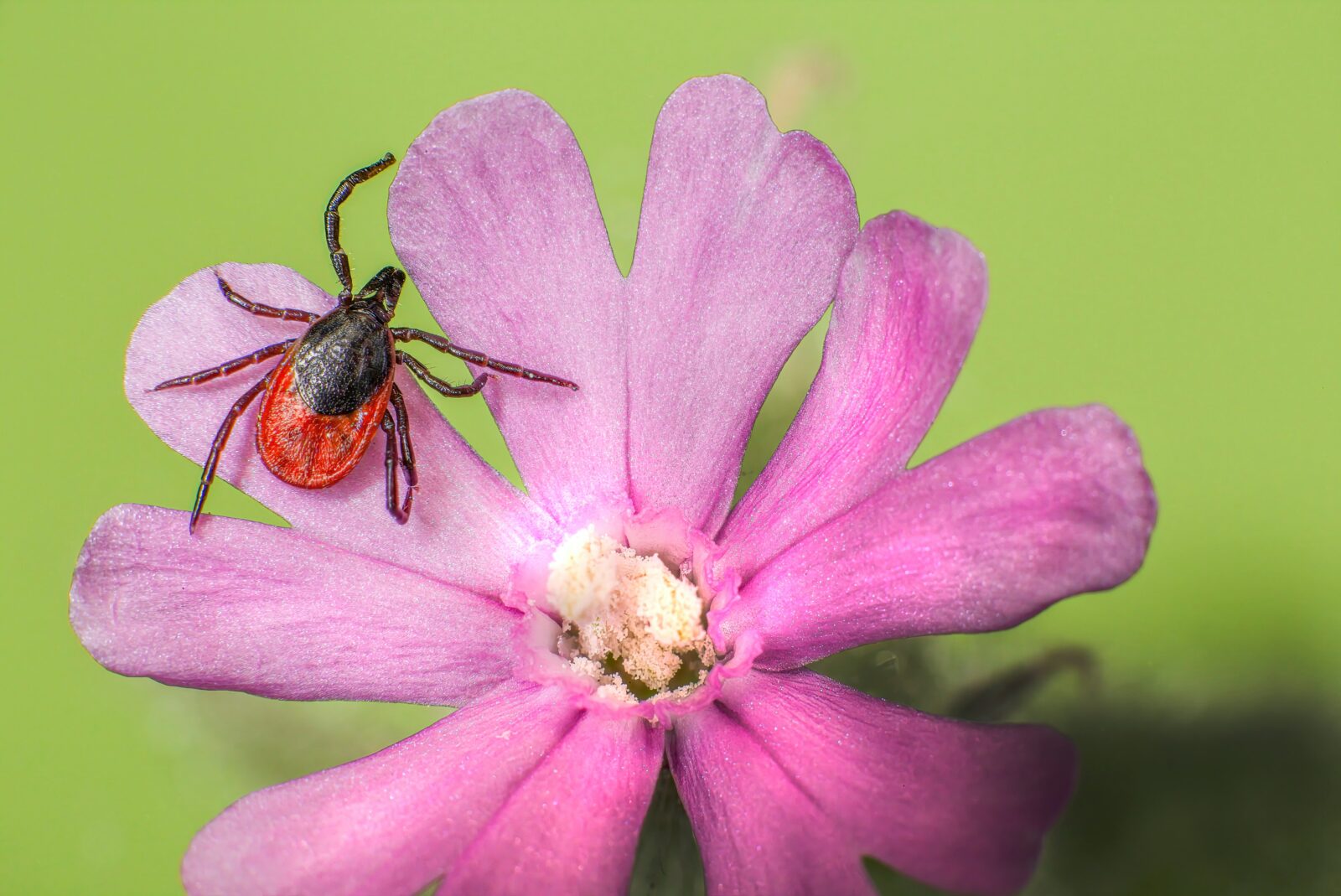
According to the CDC Lyme Disease accounts for 77% of vector-borne illnesses in the United States every year. Lyme disease is caused by the bacteria Borrelia burgdorferi, which is transmitted by a tick. It can affect every area of your body and negatively impact your immune system.
Between 2010 and 2018, insurance companies reported claims for approximately 476,000 cases of Lyme disease annually. This may be underreported.
Studies indicate that these bacterial cells can lie dormant and become persistent and difficult to treat when not identified in the acute phase.
A functional medicine approach to treating Lyme Disease typically includes:
- Identifying co-infections and triggers.
- Optimizing your immune and detoxification system.
- Directly targeting the infection.
What causes lyme disease?
Lyme disease in the United States is caused by a bacteria called Borrelia burgdorferi and transmitted through the bites of infected Ixodes, a subset of hard-bodied ticks. These ticks are commonly found throughout temperate North America, Europe, and Asia.
According to the CDC, the ticks must be attached for 36-48 hours or more before the Lyme disease bacterium can be transmitted. In the United States, Borrelia burgdorferi is the leading cause of Lyme disease.
How Widespread is Lyme Disease in the United States?
Lyme disease has been found in all 50 states. Previously, it was mostly found in the Upper Midwest and Northeast, but it has spread across the country over the last 20 years.
Lyme disease signs and symptoms
Lyme disease is known as “the great imitator” because the symptoms overlap with other common health problems, which makes a diagnosis difficult. Many people go through a flu-like illness and erythema migrans rash in the first stage.
The most common symptoms of early Lyme disease are:
- Headache
- Fatigue
- Fever
- Chills
- Neck stiffness
- Myalgia
- Joint pain
- Swollen lymph nodes
As the bacteria spread from the bite site throughout the body, additional symptoms can occur such as:
- Meningitis
- Lyme carditis (heart inflammation from Lyme disease)
- 7th cranial nerve palsy
In the third stage, patients may also experience neuroborreliosis or Lyme arthritis without appropriate treatment.
A lesion may develop with Lyme disease called the erythema migrans (EM) rash. It can develop 3-30 days after the tick bite and is often a circular, red, expanding skin-containing lesion that may or may not have clearing in the center. Up to 30% of individuals diagnosed with Lyme disease do not develop the EM rash.
In 2006, the Infectious Diseases Society of America created the term “post-treatment Lyme Disease syndrome” or PTLDS: clinical symptoms persisting at least six months after treatment for Lyme disease in people who otherwise seemed to tolerate treatment, didn’t have re-infection, or relapsed.
4 ways functional medicine practitioners treat lyme disease
Treatment of Lyme disease can vary, depending on the stage and length of time it has been going on. There is controversy around chronic Lyme disease and post-treatment Lyme disease syndrome.
Natural and botanical medicines
A study in 2020 tested a panel of botanical and natural products used in Lyme patients and found several to be highly active in vitro against stationary phase B. burgdorferi and may be helpful in the treatment of Lyme disease.
- “cat’s claw” Uncaria tomentosa
- “sweet wormwood” Artemisia annua
- “pink rock rose” Cistus creticus
- “Chinese skullcap” Scutellaria baicalensia
- “yellow dye root” Cryptolepis sanguinolenta
- “eastern American black walnut” Juglans nigra
- “Japanese knotweed” Polygonum cuspidatum
Nutritional supplements
Nutritional supplements can strengthen the immune system in any infection and may be beneficial to help with Lyme disease. Nutrient supplementation must be personalized to the individual. Practitioners may run a nutritional panel to see how well the patient is breaking down and absorbing vitamins and minerals and have patients fill out a food journal to see where they lack nutrition.
Nutrition
Dietary choices depend on the patient’s microbiome, food allergies and intolerances, possible nutritional deficiencies, inflammation levels, and medications.
Many practitioners chose to promote anti-inflammatory diets to help lower inflammatory markers and boost immune function. The most common anti-inflammatory diet that has been scientifically researched for lowering inflammation and boosting immunity and longevity is the Mediterranean diet. This way of eating includes whole, fresh foods and limits processed foods and dairy products, and gluten.
Mental health
Those patients diagnosed with Lyme and associated diseases (LAD) have an increased risk of suicide. Multiple studies link infections, particularly chronic infections, and the associated inflammation with an increased risk of suicidal behavior. It is vital to address this aspect of treatment by hiring a professional counselor or therapist or finding ways to decrease emotional stress. Many studies have shown mindfulness and meditation to be useful in chronic health conditions and pain syndromes.
Final thoughts
The treatment goal of Lyme disease is to identify and treat the illness in the acute phase before it can spread. It can spread to other body parts and be more challenging to treat if not identified. The most important part of treatment is determining precisely what infections are involved and how that individual patient can feel better in the safest and quickest possible way.
We still know very little about chronic Lyme disease and post-treatment Lyme disease syndrome (PTLDS). Advanced testing through functional labs can give patients and their practitioners more insight into their condition.
Approximately 476,000 people live with Lyme disease in the U.S., but that number may be significantly higher because some people have no identifiable symptoms. More research is needed to find a reliable test and treat those affected by Lyme disease as early as possible.