
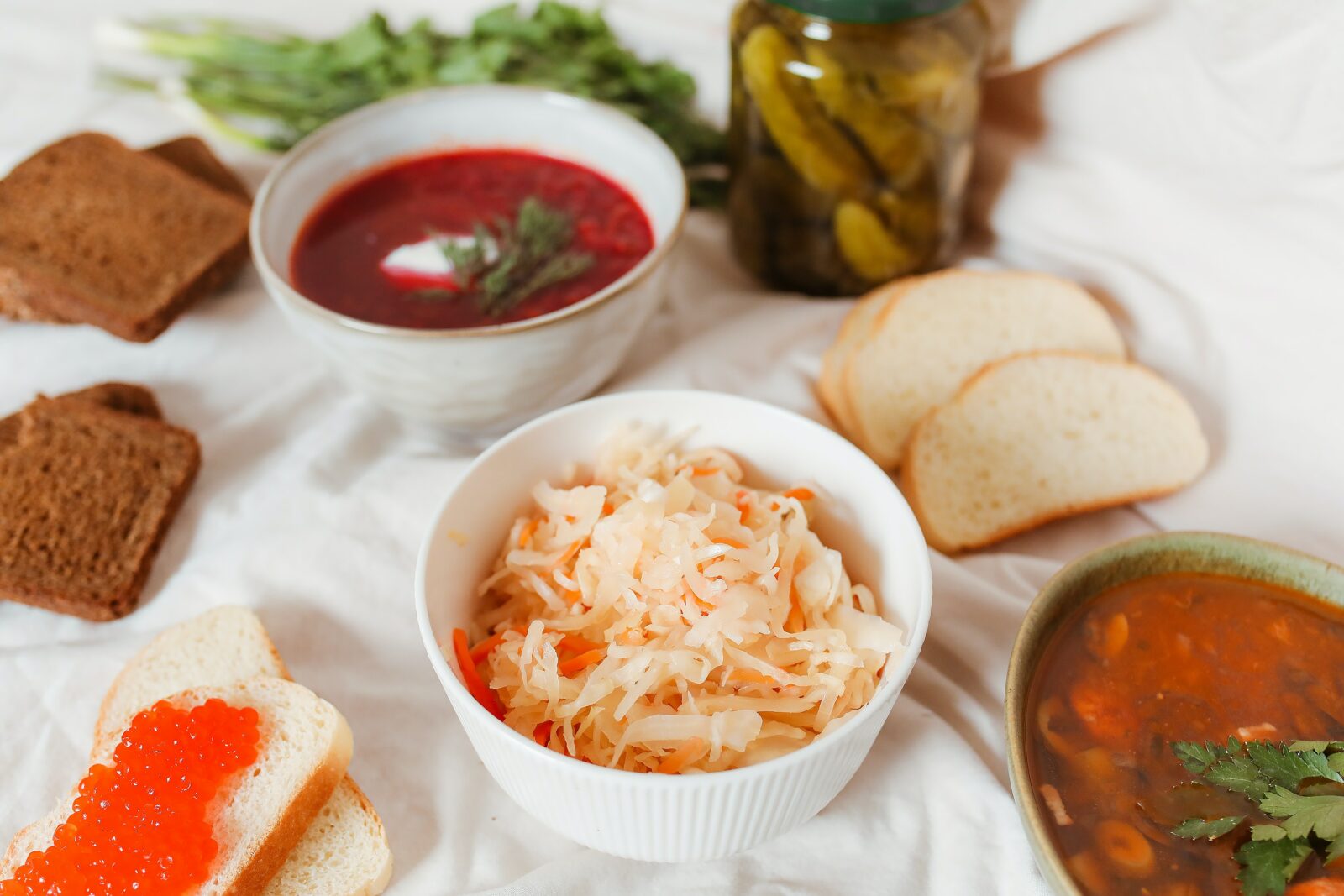
Recent research shows that consuming fermented foods improves the gut microbiome and lowers the body’s inflammatory response in conditions like rheumatoid arthritis (RA).
Fermented foods reduce inflammatory proteins
Researchers from Stanford Medicine evaluated 19 inflammatory protein biomarkers from 36 healthy adults. These participants were randomly assigned to eat either fermented or high-fiber foods throughout a 10-week period. Past scientific studies show that both diets affect the gut microbiome.
The objective was to determine how two microbiota-targeted diets could modulate the gut microbiome. The researchers found the effects on the gut microbiome and immune system were different depending on the diet. The scientists measured stool and blood samples collected during a three-week period before the intervention diet started, during the intervention, and during a four-week period after the diet ended.
The result was that a diet with fermented foods increased the overall microbial diversity in a dose-dependent manner. The primary outcome of the study was a cytokine response score, which remained unchanged.
However, the scientists also found that the fermented food diet increased microbial community diversity and decreased inflammatory markers like interleukin-6, which is linked to Type 2 diabetes, chronic stress, and rheumatoid arthritis.
Those participants who ate a high fiber diet showed no change in microbial diversity or inflammatory markers. One team member, Erica Sonnenburg said:
“We expected high fiber to have a more universally beneficial effect and increase microbiota diversity. The data suggest that increased fiber intake alone over a short time period is insufficient to increase microbiota diversity.
“It is possible that a longer intervention would have allowed for the microbiota to adequately adapt to the increase in fiber consumption. Alternatively, the deliberate introduction of fiber-consuming microbes may be required to increase the microbiota’s capacity to break down the carbohydrates.”
The scientists concluded that consuming fermented foods may be useful to counteract decreasing microbial diversity and increasing inflammatory responses. Another researcher added that other ways to target the gut microbiome can include dietary interventions, prebiotics, and probiotics, which could affect bacterial health and your immune system.
Fermentation creates healthy bioavailable products
There is increasing consensus that fermenting foods creates nutritional benefits by transforming the foods and increasing the density of vitamins that are available. Consuming fermented foods with live cultures provides benefits. However, processed fermented foods in grocery stores typically do not contain live cultures. As they are packaged, they may be filtered, baked, pasteurized, or smoked, which destroys the live cultures. The fermentation process forms biologically active peptides.
In one paper published in Nutrients, the authors noted:
“Fermentation was found to increase antioxidant activity of milks, cereals, fruit and vegetables, meat and fish. Anti-hypertensive peptides are detected in fermented milk and cereals. Changes in vitamin content are mainly observed in fermented milk and fruits.
“Fermented milk and fruit juice were found to have probiotic activity. Other effects such as anti-diabetic properties, FODMAP [fermentable oligosaccharides, disaccharides, monosaccharides, and polyols] reduction, and changes in fatty acid profile are peculiar of specific food categories.”
Another report in the Clinical Reviews in Food Science and Nutrition showed that the bacteria in fermented foods produce peptides with many health benefits. The authors stated:
“Among these peptides, conjugated linoleic acid (CLA), which have shown the ability to lower blood pressure, exopolysaccharides exhibit prebiotic properties, bacteriocins show anti-microbial effects, sphingolipids have anti-carcinogenic and anti-microbial properties, and bioactive peptides exhibit anti-oxidant, anti-microbial, opioid antagonist, anti-allergenic, and blood pressure lowering effects …
“As a result, fermented foods provide many health benefits such as antioxidant, anti-microbial, anti-fungal, anti-inflammatory, anti-diabetic and anti-atherosclerotic activity.”
Gut bacteria and mental health
Not only does a healthy gut microbiome help with inflammation and support your immune system, scientific evidence shows that it can improve your mental health as well. There is bidirectional communication between your central nervous system and your gut. It’s referred to as the gut-brain axis. Growing evidence shows that dysbiosis, an imbalance in the microbiome, is linked with triggering mental health conditions like depression and anxiety.
Some call this the psychobiome, which is a critical connection between your gut microbiome and how you feel, think, and act.
A small lab in Cambridge, Massachusetts, is researching human stool samples with a focus on brain drugs. The company seeks to capitalize on the increasing scientific evidence from epidemiological studies and animal studies that the gut microbiome is linked to autism, Alzheimer’s disease, and anxiety.
As of 2020, the company had developed “one of the world’s largest collections of human gut microbes” over a short five years. The CEO of the company indicated that its initial objective was to target insomnia, depression, and visceral pain conditions that are typical in irritable bowel syndrome.
Two types of gut bacteria, in particular Coprococcus and Dialister bacteria, have been shown to be “consistently depleted” in individuals diagnosed with clinical depression. According to the authors of a study published in the April 2019 issue of Nature Microbiology:
“We studied how microbiome features correlate with host quality of life and depression. “Butyrate-producing Faecalibacterium and Coprococcus bacteria were consistently associated with higher quality of life indicators. Together with Dialister, Coprococcus spp. were also depleted in depression, even after correcting for the confounding effects of antidepressants.”
Other studies have pinpointed microbial profiles linked with mental health conditions. For instance, a 2016 research study found the relative abundance of Actinobacteria was higher and Bacteroidetes was lower in depressed individuals compared to healthy controls.
Another study in 2015 found patients diagnosed with major depressive disorder had higher amounts of Bacteroidetes, Proteobacteria, and Actinobacteria, and lower amounts of Firmicutes than healthy controls.
Kimchi and vitamin K2
The fermenting process can also improve the nutritional value of certain foods. Kimchi has antioxidant properties that are associated with lowering lipid levels, cardiovascular benefits, immune system activity, antimicrobial action, and anti-atherogenic activity.
Fermented plants offer high levels of vitamin K2, which is a fat-soluble vitamin that is important to heart health. A study from the Netherlands in 2004 determined that those who consumed the highest levels of vitamin K2 were less likely to have severe calcification of the arteries and die from heart disease.
K2 is also important for bone health and osteoporosis prevention. However, vitamin K doesn’t store well in your body, so it depletes quickly if you don’t get it regularly from your food. But what kinds of foods are the best ones to get the vitamin K2 you need? There is a difference between vitamin K1 and K2 content in foods.
While K1 is in green leafy vegetables such as spinach, kale, broccoli, and cabbage, K2 is present in high amounts in fermented foods. K2, or menaquinone, is produced by bacteria in your gut and can be found in some animal products, a few plants such as spinach, radish leaves, spring onions, and fermented foods, particularly kimchi and cheeses.
Tips to making fermented food
For people with chronic illnesses that result in inflammation like RA, diet is a key element to help the healing process.
It’s becoming more popular to eat fermented foods at home, yet preparing them has largely become a lost art. Probiotic-rich foods, such as fermented vegetables and homemade yogurt, will boost the population of beneficial bacteria, which then reduces potentially pathogenic colonies.
You will find many resources online on how to ferment your own foods. Briefly, the steps are:
- Choose Your Fermentation Equipment
- Prepare the Vegetables for Fermenting
- Decide If You Will Use Salt, Whey, or a Starter Culture
- Use Water to Prepare the Brine
- Weigh the Vegetables Down Under the Brine
- Move the Fermented Vegetables to Cold Storage
In addition, avoid yogurt sold in grocery stores that have sugar and fruit flavorings. They don’t promote a healthier gut flora. Making yogurt at home is quite simple. You need a high-quality starter and raw, grass-fed milk. Follow the instructions on the starter packaging.
You can also experiment with fermenting just about any vegetable. Some of the more popular are cucumbers (pickles) and cabbage (sauerkraut). Once you have the basic method down, it’s quite simple.