
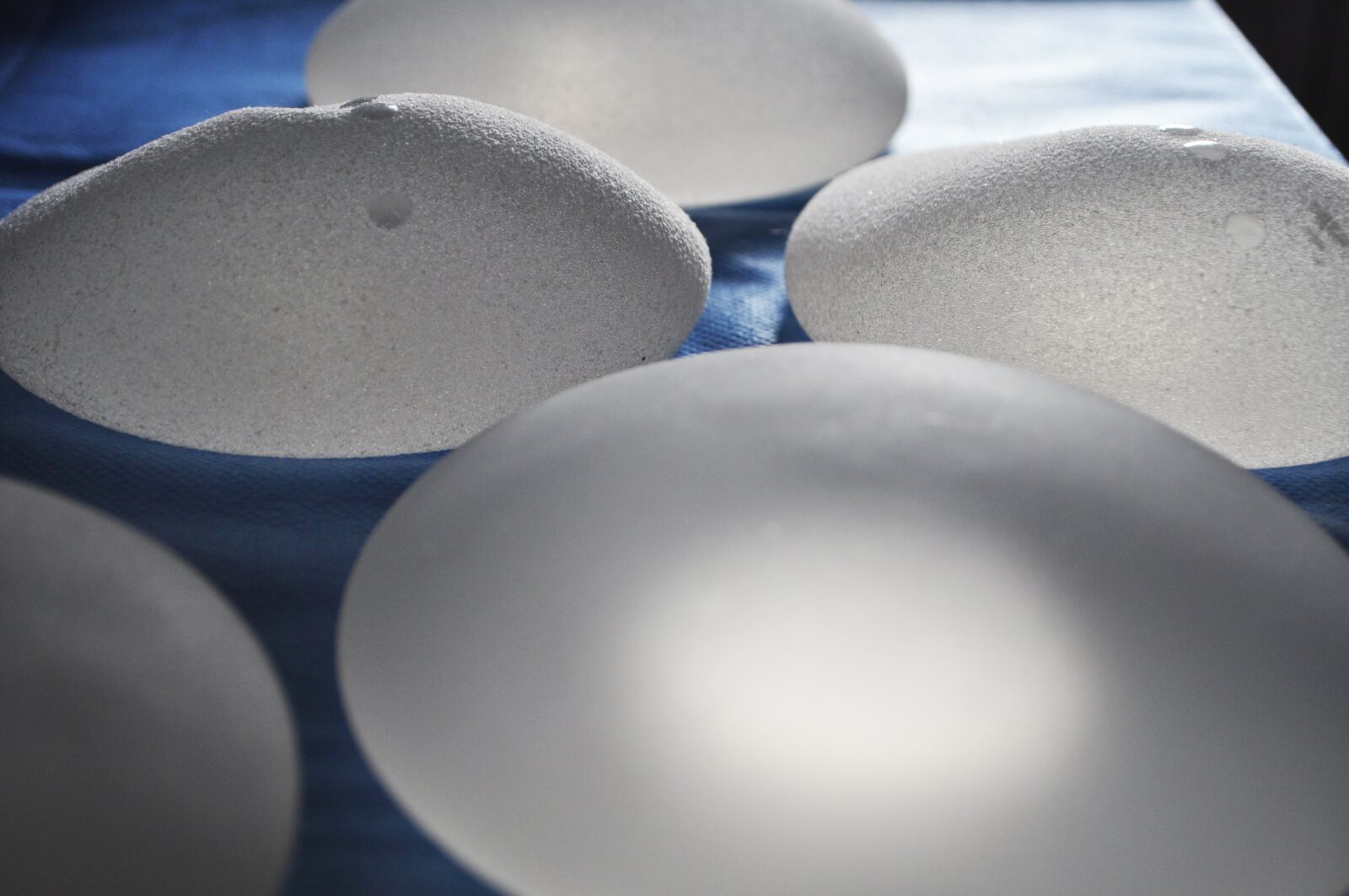
Breast augmentation, or breast implants, is a popular cosmetic procedure in the U.S. with approximately $1.2 billion in revenue in 2016. Many women remain unaware of major recalls of breast implants after studies have highlighted concerns about the development of anaplastic large cell lymphoma resulting from the implants.
Breast implants can result in a variety of complications like implant rupture, capsular contracture, and malposition. But, breast implant illness (BII) is less recognized as a complication. It was first recognized in the early 1960s and described as a human adjuvant disease. Now it is called BII, and women with breast implants who experience the constellation of symptoms are becoming more vocal. In fact, you can find many Facebook groups dedicated to BII. These symptoms may include fatigue, arthralgia, myalgia, cognitive impairment, dry eyes and mouth, alopecia, skin lesions, and Raynaud syndrome.
One possible mechanism of BII is an autoimmune or inflammatory reaction that occurs in response to a stimulating agent (silicone) and presents as a broad array of symptoms with similarities to connective tissue disease. In the early 1980s, many cases were highlighted in publications that led to class action lawsuits against the implant manufacturers. As a result, the FDA placed a moratorium on silicone breast implants. After many large-scale studies disproved the connection, the FDA relaxed the restrictions.
However, reports still suggest that for some women with symptoms of BII, removing the implants reduces the symptoms. These reports tended to look at the symptoms in groups rather than individually.
One retrospective study looked at patients who requested the removal of their implants from 2017 to 2018. The study collected data on patient demographics, implant size, fill, texture, comorbidities, and symptoms.
Patient symptoms were quantified using a patient-reported outcome measure rating 11 common symptoms both preoperatively and at each postoperative visit. The 11 symptoms included on the survey with this exact wording were: (1) numbness and tingling in the extremities; (2) joint and/or muscle pain; (3) hair loss; (4) memory loss/cognitive problems; (5) dry eyes and/or blurred vision; (6) chronic fatigue; (7) breast pain; (8) rashes and/or hives; (9) food sensitivity/intolerance; (10) flu-like symptoms and/or low-grade fever; (11) difficulty breathing. Patients were asked to rate symptoms on a scale from 0 (absent) to 5 (very severe).
The patients received standardized total capsulectomy and implant removal (explantation). Partial capsulectomy was not performed on any study participants.
Of the 750 participants that received explantation, all completed a preoperative survey, 552 (73.6%) completed a postoperative survey before postoperative day 30, and 395 (52.7%) completed a postoperative survey after postoperative day 30 (range, 30–1075 days; median, 138 days). 258 subjects had their most recent follow-up before postoperative day 30, with 313 subjects following up after postoperative day 30.
The average patient age at surgery was 45.9 years (SD = 10.8). The average age of implant at the time of explantation was 12.6 years (SD = 8.6). Implant fill and texture were diverse among the participants: 313 (41.7%) of 750 had saline implants, 413 (55.1%) had silicone implants; 555 (74.0%) had smooth implants; 150 (20.0%) had textured implants; 6 (0.8%) had polyurethane-coated implants, either smooth or textured. Four hundred sixteen (55.4%) patients had clinically detectable contracture on examination on either side. Two hundred fifty-four (33.9%) patients had at least one self-reported preexisting illness.
There was a significant change in all 11 symptoms rated by the participants from the preoperative period to the postoperative time periods. There was no significant change in symptoms from less than 30 days postoperatively to greater than 30 days postoperatively, which showed that the improvement was sustained past the immediate postoperative period.
The results of the study showed an immediate and sustained improvement in all 11 symptom categories after the removal of their breast implants. However, the study does not pinpoint the mechanism of BII. Many hypotheses suggest that it is an inflammatory process triggered by the introduction of silicone. This study showed infiltration of inflammatory cells into the tissues surrounding the implants.
Because of this, it may make sense that silicone implants cause more inflammatory responses than saline implants. However, saline implants contain silicone in the outer shells. This may explain why the removal of both saline and silicone implants leads to a similar improvement in symptoms.
Capsular contracture is one of the most commonly identified complications of breast augmentation with some studies suggesting rates of approximately 20%. In the above study, 55% of the participants experienced some degree of contracture. These patients experienced more significant improvement as compared with patients without contracture.
Possible mechanisms include the mechanical nature of contracture that result in physical symptoms including breast pain, muscle aches and pains, and difficulty breathing related to chest wall restrictive movement. Or, capsular contracture may occur secondary to an inflammatory reaction. This may mean that some patients with capsular contracture may experience a disproportionate inflammatory response to a foreign body. The inflammatory response theory supports the removal of the implant in BII patients. This may also explain why obese patients have greater improvement after explantation versus patients with normal BMI. Obesity is known as a pro-inflammatory state.
Although this study was conducted retrospectively, it quantitatively measured individual symptoms both before and after implant removal in women presenting with symptoms of BII, and it identified consistent improvements in symptoms after explantation in a large cohort. An additional strength of this study is its sample size, with greater than 99% of patients completing any survey, 73.6% of patients completing a survey before 30 days postoperatively and 52.7% of patients completing a survey after 30 days postoperatively.
Final thoughts
Breast implant illness has a constellation of unpleasant symptoms. While the mechanism that triggers BII is still unknown, patients experienced immediate and sustained improvement in 11 common symptoms after the removal of the implant and capsule. More research should help scientists understand the causes of BII, which may enable the development of safer implants.