
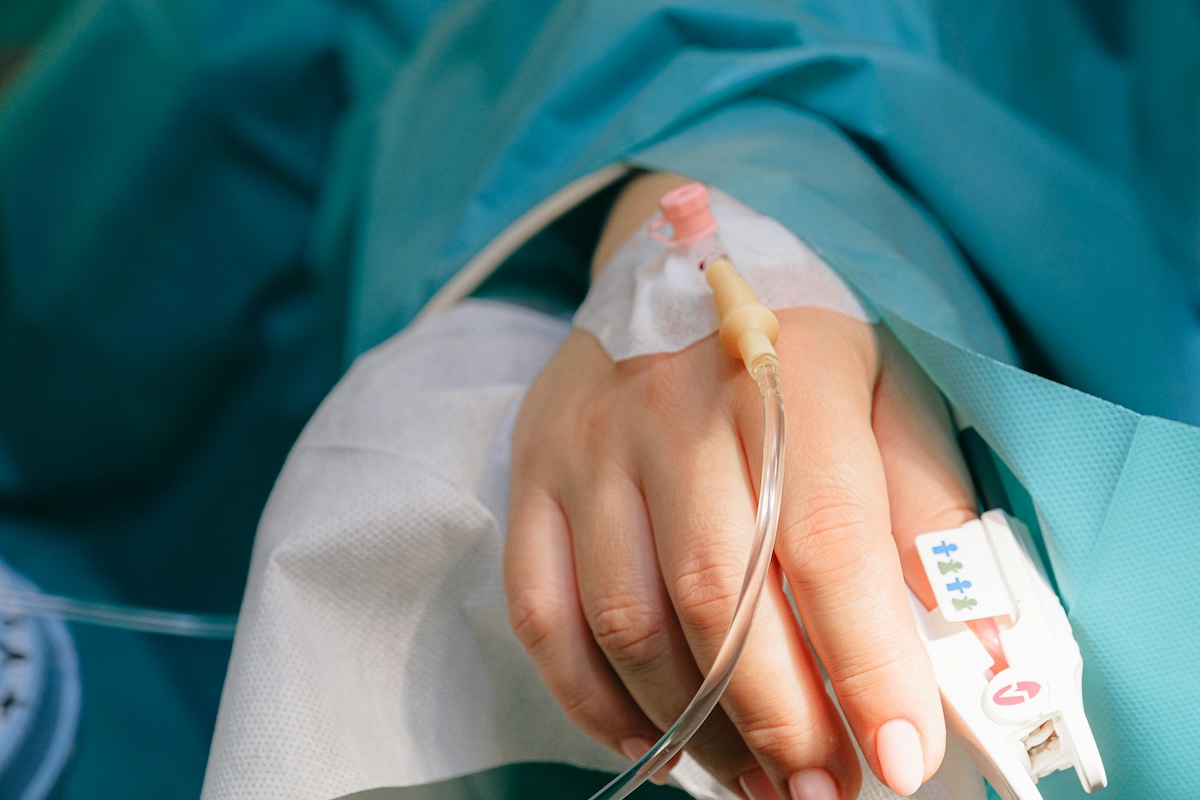
Cancer is a complex and multifaceted disease, affecting millions of individuals and their families worldwide. Traditional oncology focuses on surgically removing tumors, as well as using chemotherapy and radiation to reduce or eliminate cancer cells. While effective, these treatments often come with severe side effects that can significantly impact the quality of life. Integrative oncology emerges as a supportive discipline, aiming to enhance the effectiveness of conventional cancer treatments and alleviate the physical and emotional distress associated with the disease. This article explores the benefits of integrative oncology, offering insights into how combining traditional treatment with holistic approaches can provide a more comprehensive care plan for cancer patients.
What is Integrative Oncology?
Integrative oncology is a patient-centered field of cancer care that utilizes an array of therapeutic approaches to complement traditional treatments. The goal is not only to fight cancer but also to bolster the patient’s overall well-being. Practices used in integrative oncology include nutritional support, physical activities, mind-body therapies, and natural products. These practices are tailored to each patient’s unique needs and are used alongside conventional medical treatments to maximize health, quality of life, and clinical outcomes.
Enhancing Physical Health During Cancer Treatment
Nutritional Support
Proper nutrition plays a critical role in cancer care. Integrative oncology focuses on dietary modifications to help strengthen the immune system, maintain body weight, and support the body’s ability to repair itself after rigorous treatments. Oncology dietitians often work with patients to create personalized eating plans that include nutrient-dense foods, which can help mitigate the side effects of chemotherapy, such as nausea and decreased appetite.
Physical Activity
Exercise is another pillar of integrative oncology. Regular physical activity has been shown to improve cardiovascular health, reduce fatigue, and increase muscle strength in cancer patients. Programs might include tailored exercises, such as yoga or gentle strength training, which not only help improve physical function but also enhance the psychological well-being of patients during and after cancer treatment.
Addressing Emotional and Psychological Needs
Mind-Body Therapies
Cancer diagnosis and treatment can lead to significant psychological distress. Integrative oncology addresses this aspect by incorporating mind-body therapies like meditation, mindfulness, and guided imagery. These techniques help patients gain a better handle on stress, anxiety, and depression, which are common among cancer sufferers. Studies have shown that patients who engage in these practices may experience improved mood and a better quality of life.
Support Groups and Counseling
Providing emotional support through counseling and support groups is also a crucial component of integrative oncology. These resources offer a space for patients and their families to share experiences, seek emotional comfort, and receive counseling on coping with the disease. Emotional and social support can be vital in improving outcomes as they empower patients to take an active role in their recovery.
Natural Products and Supplements
Many patients turn to natural products and supplements to support their health during cancer treatment. While some supplements might improve vitality and reduce side effects, it is crucial to coordinate with healthcare providers to avoid any interactions with conventional cancer therapies. Integrative oncologists can guide the safe use of supplements, ensuring they complement the efficacy of traditional treatments rather than counteracting them.
Approaching Your Oncologist About Integrative Oncology
Understand the Basics of Integrative Oncology
Before discussing integrative oncology with your medical team, it’s helpful to have a clear understanding of what it entails and how it can benefit your treatment plan. Research reputable sources, such as the National Cancer Institute or the Society for Integrative Oncology, to gather evidence-based information on the various integrative therapies that might be applicable to your situation. Being informed will help you articulate your interests and concerns more clearly and allow you to engage in a meaningful dialogue with your oncologist.
Prepare Your Questions and Concerns
Once you have a basic understanding, prepare a list of questions and concerns to bring to your oncologist. These might include:
- How can integrative therapies complement my current treatment plan?
- Are there specific integrative practices that could benefit my type of cancer and treatment regimen?
- What are the potential risks or side effects associated with integrating these therapies into my treatment?
- Can you refer me to an integrative medicine specialist or a center that offers these services?
Having specific questions ready can guide the conversation and ensure that you cover all areas of interest.
Schedule a Dedicated Appointment
Treatment discussions during regular follow-up visits might feel rushed or too focused on immediate medical concerns. Consider scheduling a dedicated appointment with your oncologist to discuss the possibility of incorporating integrative therapies into your treatment plan. This shows your doctor that you are serious about exploring integrative oncology and provides ample time to discuss your options thoroughly.
Express Your Goals and Preferences
When you meet with your oncologist, clearly express your goals and preferences. Discuss your reasons for wanting to include integrative therapies in your treatment plan, such as improving your quality of life, managing side effects, or boosting your body’s natural defenses. Understanding your motivations can help your oncologist tailor their recommendations to fit your personal needs and expectations.
Seek a Second Opinion if Necessary
If your oncologist is unfamiliar with or skeptical about integrative oncology, consider seeking a second opinion from a specialist in integrative medicine. Some cancer treatment centers have integrative medicine departments that collaborate closely with oncology to provide comprehensive care tailored to the needs of cancer patients.
Follow Up
After your discussion, keep the lines of communication open with your oncologist about any integrative therapies you decide to pursue. Regular updates can help adjust your treatment plan as needed and ensure that all aspects of your care are working harmoniously towards your well-being.
By approaching the topic of integrative oncology thoughtfully and respectfully, you can foster a collaborative relationship with your oncologist that enhances your overall care and supports your journey through cancer treatment.
Conclusion
Integrative oncology represents a paradigm shift in cancer treatment, emphasizing a holistic approach to patient care. By integrating traditional medical treatments with supportive therapies, integrative oncology seeks to enhance the efficacy of cancer treatments, minimize side effects, and improve the quality of life for patients. As the field continues to evolve, it offers hope for more personalized and compassionate care, ensuring that patients do not have to navigate the journey alone. Integrative approaches empower patients, providing them with tools to fight the disease while also nurturing their body and spirit.