
Story Summary
- Photobiomodulation, which uses specific red and near-infrared light wavelengths, holds potential for addressing neuropathy, myopathy, and myopia by reducing inflammation, enhancing cellular performance, and slowing the elongation of the eye.
- Red light therapy has proven effective in managing myopia progression in children, with studies revealing reduced axial eye elongation and improved vision outcomes compared to standard treatments.
- This therapy eases neuropathic pain by enhancing mitochondrial activity and lowering oxidative stress. Its efficacy is amplified when combined with complementary treatments such as physical exercise or electrical stimulation.
- The optimal light therapy spectrum falls between 600 and 900 nanometers, with near-infrared light (approximately 800 to 810 nm) being particularly effective for penetrating deep tissues and supporting mitochondrial health.
- Exposure to red and near-infrared light promotes ATP and melatonin production in mitochondria, boosting overall health. A standard dosage recommendation is 25 joules, typically delivered in 20-minute sessions.
Understanding Red Light Therapy: A Non-Invasive Healing Approach
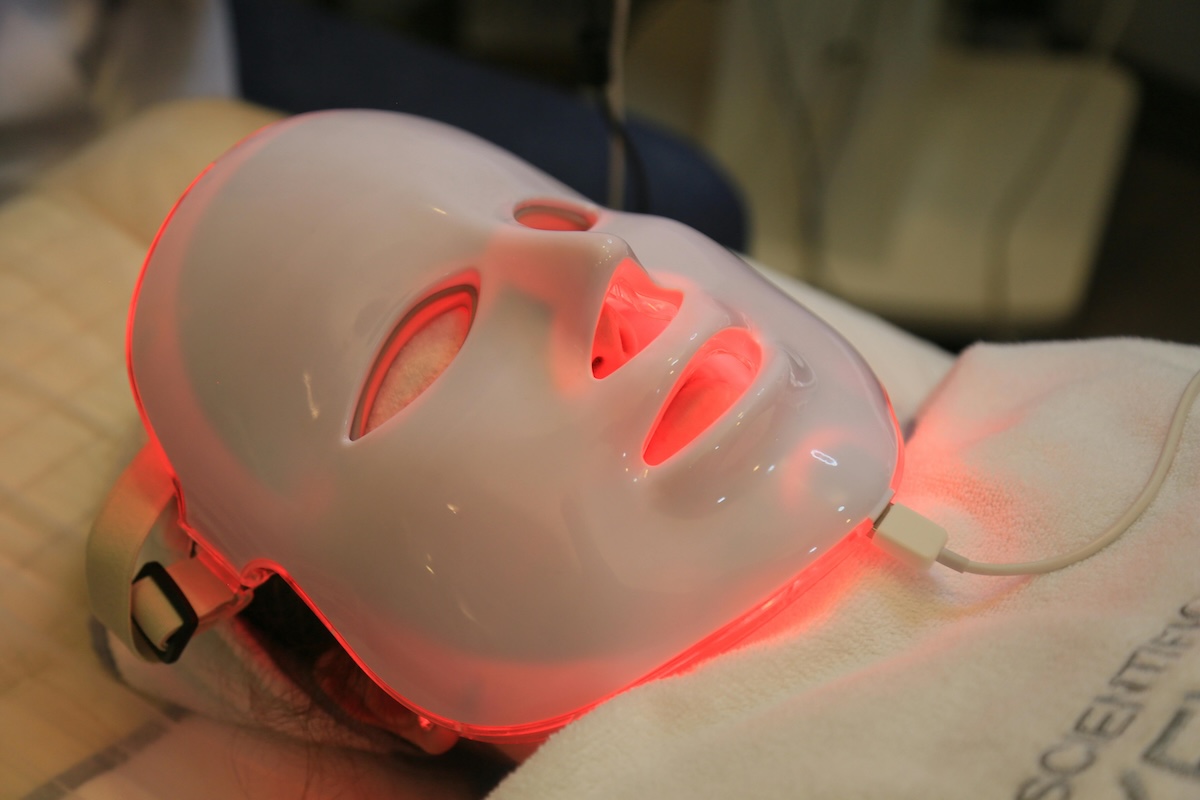
Red light therapy, also known as low-level light therapy (LLLT) or photobiomodulation, is a non-invasive treatment that employs specific wavelengths of red and near-infrared light to stimulate cellular function. This therapy is gaining traction for its remarkable ability to reduce inflammation, promote healing, and relieve pain across a wide range of conditions.
Health Benefits of Red Light Therapy
The therapeutic potential of red light therapy spans numerous health areas. For neuropathy, it alleviates pain and improves nerve function by enhancing blood flow and reducing inflammation. In cases of myopathy, it aids in muscle recovery and minimizes fatigue. Research also highlights its positive effects on skin health, myopia, cognitive function, and more, making it a versatile tool in health and wellness.
A Novel Solution for Myopia: Low-Level Red Light Therapy
The Rising Prevalence of Myopia
Myopia, or nearsightedness, has become a global concern, particularly among children. According to a British Medical Journal (BMJ) study, myopia prevalence has surged from 24.32% in 1990 to 35.81% in 2023, with projections suggesting it could reach 39.80% by 2050. Certain populations, like East Asians (35.22%) and adolescents (47%), are disproportionately affected. These alarming statistics underscore the urgent need for effective solutions to manage and prevent myopia progression.
Promising Research on Low-Level Red Light Therapy (LLRL)
LLRL therapy offers a gentle, child-friendly approach to managing myopia. A meta-analysis of studies involving 685 children (average age 9.7 years), published in Clinics, revealed significant improvements in spherical equivalent refraction (SER) and axial length (AL), two critical measures of myopia progression. Children treated with LLRL therapy showed a mean SER improvement of 0.58 diopters and an AL reduction of 0.33 mm compared to control groups. While these numbers may seem modest, they represent meaningful advancements in slowing myopia’s progression.
Effective Wavelengths and Treatment Durations
Research indicates that red light therapy, particularly wavelengths between 635 and 650 nanometers (nm), effectively reduces axial elongation and slows the progression of myopic spherical equivalent refraction. Notably, these benefits were observed across treatment durations ranging from four weeks to 24 months.
How Red Light Therapy Works for Myopia
A Simple, At-Home Solution
One of the most accessible treatment protocols involves children gazing into a red-light device for three minutes, twice a day, five days a week. This routine, which can be easily managed at home with parental supervision via an app, has shown significant success in reducing eye elongation and improving vision compared to traditional methods like glasses alone.
Addressing the Cellular Causes of Myopia
Red light therapy interacts directly with the eyes at a cellular level. It stimulates dopamine production in the retina, which acts as a “stop signal” for excessive eye growth. Additionally, it boosts blood flow to the choroid, a vascular layer that nourishes the retina, promoting a thicker, healthier choroid that helps slow myopia progression. The therapy also reduces oxidative stress and inflammation, two key factors implicated in the development of myopia.
Clinical Evidence and Safety of Red Light Therapy
Multiple clinical trials have demonstrated that children treated with red light therapy experience significantly less myopia progression than those who rely solely on glasses. On average, these children exhibited 0.3 millimeters less eye elongation after 12 months of therapy. Importantly, studies report no serious side effects, highlighting the safety and efficacy of repeated low-level red light (RLRL) therapy as a viable treatment for managing myopia.
A Bright Future for Myopia Management
As myopia rates continue to rise, red light therapy offers a promising, non-invasive intervention that not only slows the progression of nearsightedness but addresses its underlying causes. With its proven safety profile, ease of use, and demonstrated effectiveness, low-level red light therapy represents a groundbreaking step forward in protecting children’s vision and enhancing long-term eye health.
Photobiomodulation: A Breakthrough for Neuropathy Relief
If you’re living with neuropathy, photobiomodulation (PBM) therapy could provide much-needed relief. PBM involves the use of specific wavelengths of light, particularly red and near-infrared, to stimulate biological processes at the cellular level, promoting healing and reducing discomfort.
Research highlights the effectiveness of PBM, particularly when used in combination with other therapies, in managing neuropathic pain. By enhancing mitochondrial function, improving adenosine triphosphate (ATP) production, and reducing oxidative stress and inflammation, PBM targets the root causes of neuropathy rather than just masking symptoms.
The Benefits of PBM for Neuropathy
Targeted Relief for Peripheral Neuropathy
Peripheral neuropathy, characterized by nerve damage that leads to pain, numbness, and tingling, is a common condition PBM can address. Studies show that PBM therapy alleviates these symptoms by targeting damaged nerves and stimulating healing at the cellular level. This drug-free approach can complement or even replace traditional treatments.
Optimizing Treatment Outcomes Through Combination Therapies
Combining PBM with other interventions yields superior results compared to standalone therapies. For instance:
- Transcutaneous Electrical Nerve Stimulation (TENS): When paired with PBM, TENS has been shown to significantly reduce pain and improve nerve function in carpal tunnel syndrome.
- Wrist Splinting: Using PBM alongside wrist splints enhances pain relief, grip strength, and overall functional status.
- Exercise and Ultrasound Therapy: Integrating PBM into these regimens boosts recovery and promotes nerve health.
These synergistic effects make PBM a powerful addition to traditional neuropathy treatment plans.
Expanding the Potential: PBM for Neurological Health
While neuropathy relief is a key benefit, PBM’s applications extend to a wide range of neurological and neuropsychiatric conditions.
Neurodegenerative Diseases
PBM has shown promise in managing symptoms of Alzheimer’s and Parkinson’s diseases. When combined with exercise, PBM can slow disease progression and improve motor function, offering a ray of hope for patients and caregivers.
Mental Health Benefits
PBM therapy has demonstrated effectiveness in reducing anxiety and depressive symptoms, especially when paired with conventional treatments or environmental enrichment strategies. This dual approach can significantly enhance mental health outcomes.
Stroke Recovery
Stroke patients have experienced improved mobility and cognitive function when PBM is used alongside neuromuscular electrical stimulation, highlighting its potential as a versatile tool in neurological rehabilitation.
PBM: A Modern Tool for Health Optimization
Photobiomodulation stands out as a cutting-edge health optimization technology, addressing the fundamental need for regular exposure to red and near-infrared light. While our ancestors received this radiation naturally from sunlight, modern lifestyles and environmental factors often limit our exposure.
The Role of Infrared Saunas and Natural Sunlight
Infrared saunas provide an excellent alternative, offering not only the infrared radiation essential for health but also detoxification benefits. However, saunas should complement, not replace, regular movement. Daily walking — ideally 8,000 to 10,000 steps — remains critical for optimal health. Walking during solar noon, especially if free from harmful vegetable oils for six months or more, amplifies these benefits.
Winter Solutions and Focused Treatments
During winter or inclement weather, combining walks with infrared sauna sessions ensures the body’s infrared needs are met. Additionally, PBM devices provide targeted treatment for specific injuries or areas requiring therapy, offering precision that saunas and sunlight cannot.
The Future of PBM Technology
PBM technology continues to evolve, and exciting advancements are on the horizon. A next-generation PBM device is set to launch in 2025, incorporating cutting-edge features designed to deliver precise therapeutic wavelengths with unmatched safety and effectiveness. This innovative tool promises to address the limitations of current devices, providing a versatile and powerful solution for health optimization.
Photobiomodulation is not just a treatment — it’s a revolutionary approach to health and healing. Whether you’re managing neuropathy, recovering from a neurological condition, or optimizing overall wellness, PBM therapy offers a scientifically-backed, non-invasive solution to improve quality of life.
Harnessing the Power of Near-Infrared Light
Boosting Cellular Energy with ATP Production
Near-infrared light offers remarkable health benefits, primarily through its impact on cellular energy production. By stimulating mitochondria, the energy-producing organelles in nearly all cells, near-infrared light enhances the production of adenosine triphosphate (ATP), the molecule that powers most cellular functions. This means that any cell containing mitochondria can reap significant benefits from exposure to red and near-infrared light.
Supporting Antioxidant Production: Melatonin’s Role
A standout benefit of near-infrared exposure is its ability to stimulate melatonin production directly in the mitochondria. While most people associate melatonin with the pineal gland’s nighttime release for sleep regulation, this accounts for only 5% of the body’s total melatonin. The other 95% is produced within the mitochondria in response to near-infrared light exposure.
Melatonin is a potent antioxidant, crucial for neutralizing free radicals generated during normal cellular metabolism. By reducing oxidative stress directly within the mitochondria, melatonin protects these vital structures from damage and ensures they function optimally. This antioxidant action is pivotal since mitochondrial dysfunction is linked to many chronic diseases.
Enhancing Detoxification with Glutathione
Near-infrared light also indirectly boosts glutathione levels, one of the body’s primary detoxification agents. Unlike oral melatonin supplements, which are effective for regulating sleep when taken before bedtime, they do not address mitochondrial oxidative stress. Only near-infrared light applied to bare skin can stimulate mitochondrial melatonin production, highlighting its unique and irreplaceable role in cellular health.
Additional Benefits of Near-Infrared Light
Vitamin A Conversion and Vitamin D Production
Another crucial function of near-infrared exposure is facilitating the conversion of retinol (vitamin A) into retinoids. These compounds are essential for processes like vitamin D synthesis and hemoglobin production. Without adequate conversion, these vital functions could be impaired.
Improved Blood Circulation Through Nitric Oxide Release
Near-infrared light also triggers the release of nitric oxide (NO), a molecule critical for vascular health. NO promotes vasodilation, which enhances blood flow and circulation. Improved circulation supports overall cardiovascular health and delivers oxygen and nutrients more effectively to tissues throughout the body.
Why Near-Infrared Light Is Irreplaceable
The unique benefits of near-infrared light cannot be replicated by supplements or alternative interventions. It directly impacts the mitochondria, boosting energy production, reducing oxidative stress, and promoting detoxification through melatonin and glutathione. Furthermore, its role in vitamin A conversion and nitric oxide release demonstrates its importance in supporting broader physiological processes.
Incorporating regular exposure to near-infrared light, whether through natural sunlight or specialized devices, can profoundly enhance cellular function and overall health. It is a natural, non-invasive approach to improving energy, circulation, and mitochondrial resilience — all critical factors for long-term well-being.