
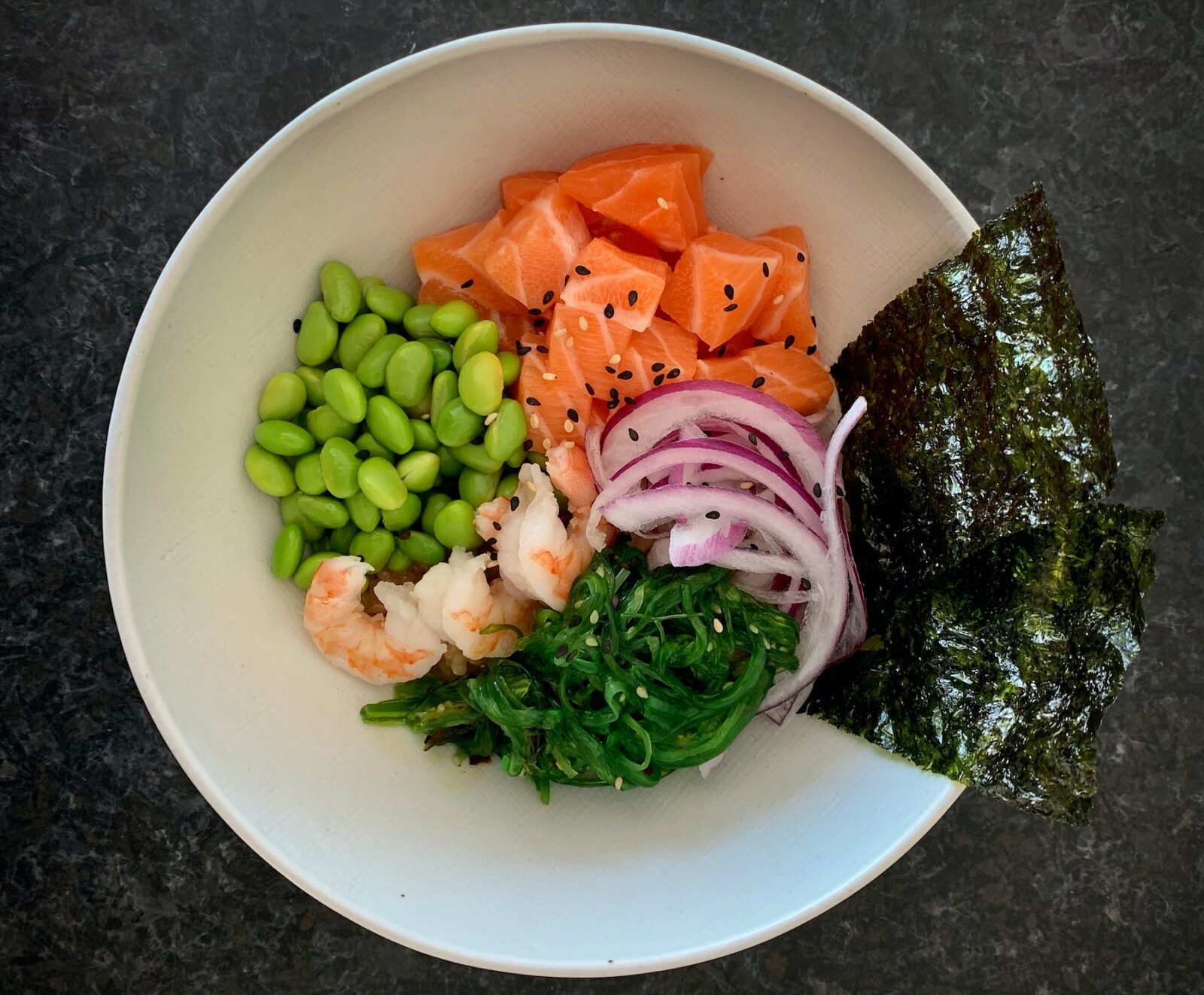
Seaweed possesses potent detoxifying properties that could aid in the elimination of harmful dioxins from the body. These dioxins might be generated through incidents like the recent train derailment in East Palestine, Ohio, or from products containing Splenda (sucralose).
Throughout history, seaweed has been highly esteemed for both its nutritional and medicinal value. Archaeological findings from the site Monte Verde in southern Chile unveiled traces of nine seaweed species dating back 14,220 to 13,980 years, underscoring their significance as a crucial resource for ancient societies.
Abundant in minerals, iodine, essential amino acids, B vitamins, fiber, and vitamin C, seaweed stands as a nutrient-rich food that can notably enhance daily nutritional intake. Nonetheless, its detoxification capabilities hold particular relevance in our contemporary era, marked by frequent chemical mishaps.
In circumstances like the East Palestine train derailment of February 2023, individuals residing nearby could consider incorporating seaweed into their diet to assist in purging toxic dioxins from their bodies.
Seaweed’s Facilitation of Dioxin Elimination
Following the train derailment in East Palestine, Ohio, a controlled ignition of vinyl chloride led to the release of dioxins into the surroundings. Dioxins, recognized as persistent organic pollutants (POPs), endure in the environment and display resistance to degradation.
Dioxins are known to contribute to cancer, reproductive issues, immune system impairment, developmental anomalies, and hormonal disturbances. Although the dioxin levels in East Palestine were classified as “very low” by a representative from the U.S. Environmental Protection Agency (EPA) and fell below the federal action threshold, laboratory findings indicate that dioxin levels in the vicinity surpass EPA research-established exposure thresholds for elevated cancer risk.
One uncomplicated strategy for facilitating detoxification is by introducing seaweed into one’s diet. In a 2002 study involving rats, various types of seaweed, such as wakame, hiziki, and kombu, were investigated for their impact on the absorption and reabsorption of 17 dioxin variants, including polychlorinated dibenzo-p-dioxin (PCDD) and polychlorinated dibenzofuran (PCDF).
Rats exposed to dioxins and fed a diet comprising 10% wakame, a type of brown seaweed, exhibited heightened dioxin excretion in their feces. Over a span of one to five days, the levels of dioxin excretion in the rat droppings were 1.2 to 4 times greater in seaweed-consuming rats.
Between eight to 35 days, rats that consumed seaweed continued to display elevated dioxin excretion levels, which were 1.7 to 2 times higher compared to rats that didn’t consume seaweed. Researchers from Japan’s Fukuoka Institute of Health and Environmental Sciences proposed that: “These findings suggest that the administration of seaweed such as wakame is efficient in preventing the absorption and reabsorption of dioxin from the gastrointestinal tract and might be useful in treatment of humans exposed to dioxin.”
Additional Natural Agents for Dioxin Detoxification
While dioxins are no longer generated in the U.S., residual dioxins persist in the environment, largely due to historical emissions. Given their enduring presence and accumulation within food chains, over 90% of dioxin exposure is thought to arise from the consumption of animal fats, including dairy and meat products, as well as fish and shellfish.
For those concerned about dioxin exposure, our dioxin toxicity research repository presents more than a dozen alternative substances that could potentially facilitate detoxification. These include:
- Chlorella (algae)
- Breast milk
- Curcumin
- Flavonoids
- Broccoli
- Cabbage
- Chives
- Green tea
- Kale
- Onion
- Resveratrol
- Spinach
Further Advantages of Seaweed Consumption
Seaweeds are categorized into brown algae (Phaeophyceae), red algae (Rhodophyceae), and green algae (Chlorophyceae), each containing varying concentrations of active phytochemicals. While green algae are commonly found in coastal regions, red and brown algae thrive in deeper waters with limited sunlight exposure.
Seaweed, renowned for its iodine content, is recognized for its role in supporting thyroid health and potentially safeguarding the thyroid from radiation-related effects. Seaweed also houses antioxidants, including fucoxanthin, a major marine carotenoid present in brown algae.
Fucoxanthin possesses antioxidative, anti-inflammatory, anti-cancer, and anti-obesity attributes, and is under investigation for potential applications against conditions like nonalcoholic fatty liver disease, colorectal cancer, diabetes, and other chronic illnesses. Furthermore, seaweed boasts substantial fiber and polysaccharide concentrations, which could act as prebiotics, stimulating beneficial gut microbes.
Research endorses seaweed for a wide array of conditions, encompassing over 69 diseases, as indicated in our seaweed research compilation. Among these conditions are:
- Allergic rhinitis
- Radiation-induced ailments
- Depressive disorders
- Endometrial cancer
- Osteoarthritis
- Herpes simplex virus infections
- Shingles
- HIV infection
- Breast cancer
Opt for Uncontaminated Sources of Seaweed
Global seaweed consumption is on the rise, with the market estimated at around $6 billion. However, the source becomes pivotal when selecting seaweed for health benefits. Just as seaweed accumulates valuable vitamins and minerals from seawater, it can also amass pollutants, including lead, mercury, arsenic, dioxins, and polychlorinated biphenyls (PCBs).
A study conducted in 2022 by researchers from Western Washington University revealed the presence of 162 chemical contaminants in seaweed samples collected from U.S. and Canadian waters. Some samples displayed elevated levels of toxins like arsenic, PCBs, lead, and more, prompting the recommendation that individuals should consume less than about 5 grams of dried seaweed daily if it originates from a high-risk source.
Severely contaminated seaweed was primarily harvested near industrial sites, such as Smith Cove near the Seattle Cruise Terminal in Washington. When opting for seaweed, prioritize varieties obtained from unpolluted waters far from industrial or bustling harbor areas. Additionally, be cautious of certain seaweed types, like kelp, which may contain excessive iodine concentrations.
While iodine deficiency can pose risks, excessive iodine intake can also be detrimental, warranting careful monitoring of iodine levels if seaweed consumption is regular.