
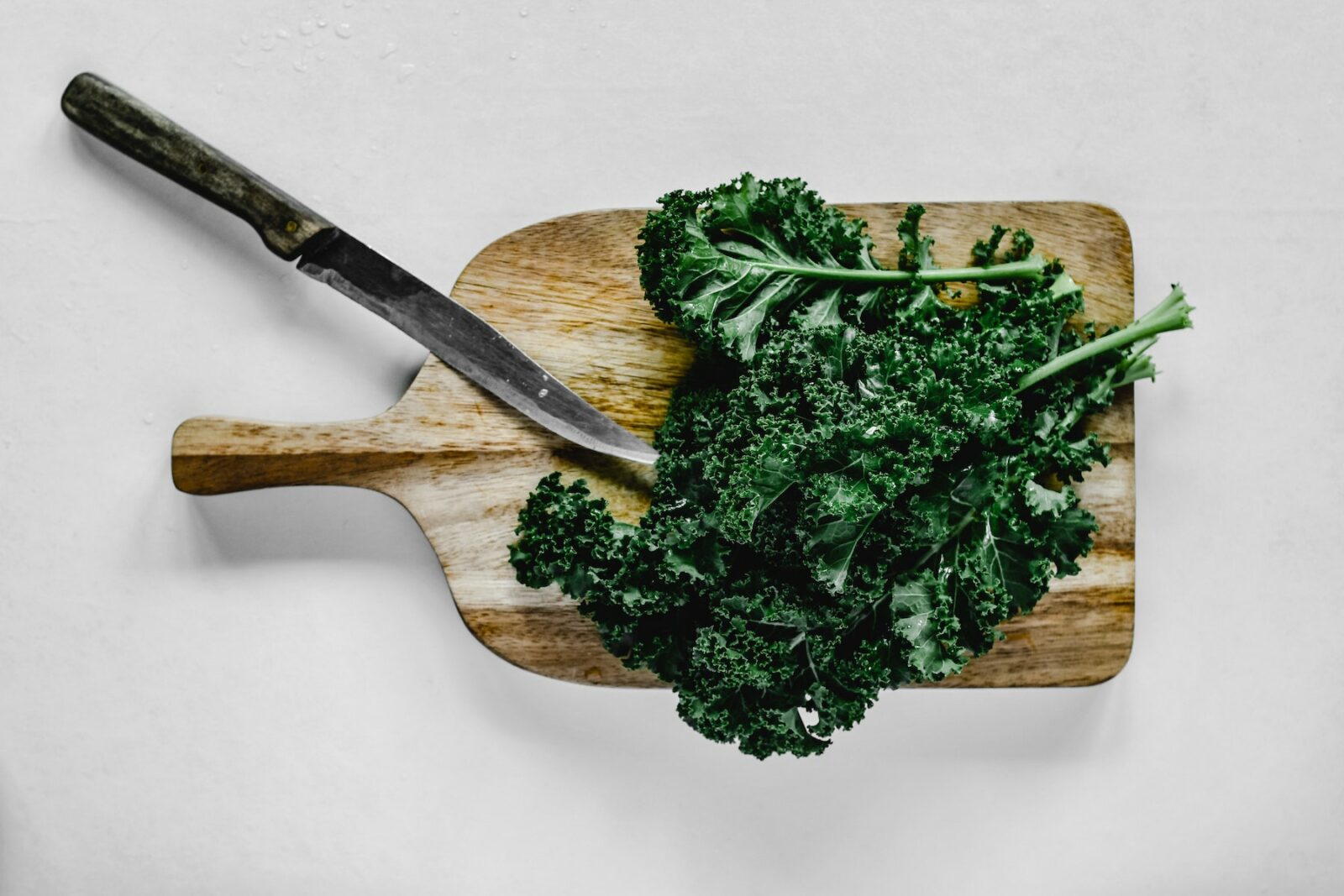
Kale is a versatile leafy vegetable that thrives even in chilly winters. Incorporating kale into your favorite dishes offers a range of possibilities. For example, adding small kale leaves to salads enhances their flavor, while larger kale varieties are excellent for steaming, sautéing, or stir-frying.
One particularly well-known kale variety is dinosaur kale, also known as Tuscan kale or Lacinato kale. It boasts long, crinkly, dark blue- or black-green leaves that can elevate soups, pasta dishes, and salads.
According to The Spruce, kale plants can be harvested while they are young for immediate consumption, or they can be allowed to mature. After harvesting, kale can be stored in the refrigerator for up to a week. If you are unable to grow kale yourself, you can purchase organically grown and GMO-free kale at your local farmers market.
Kale offers an array of health benefits. Just 100 grams of this vegetable provides impressive amounts of vitamins: 389.6 micrograms of vitamin K, 241 micrograms of vitamin A, and 93.4 milligrams of vitamin C. It is considered a superfood due to its numerous beneficial compounds.
A study conducted in 2012 revealed that a particular kale variety contained high levels of beta-carotene and vitamin C. Kale is also rich in indole-3-carbinol, a phytonutrient that may support DNA cell repair, stimulate cell death, and inhibit cancer development. Sulforaphane, another compound found in kale, has been shown to have protective effects against certain cancers, improve liver and gastrointestinal health, and protect against macular degeneration.
Furthermore, kale contains lutein and zeaxanthin, which help safeguard your eyes against macular degeneration. Kale’s nutrient content has even led to comparisons with beef, as both foods provide essential nutrients like iron, protein, and calcium.
Omega-3 fatty acids, beneficial for fighting inflammation, building cell membranes, and reducing the risk of heart disease, stroke, and cardiac arrest, are also present in kale. These fats have been associated with alleviating symptoms of rheumatoid arthritis and lowering the risk of lupus.
To explore the various vitamins and nutrients found in kale, refer to the table below, which provides detailed nutritional information.
Kale has been the subject of several studies. In a study published in International Urology and Nephrology, researchers discovered that kale exhibited the highest protective effect against bladder cancer among all the foods examined. Another study highlighted the abundance of flavonoids in kale, including kaempferol and quercetin, as well as three hydroxycinnamic acids. These compounds are known for their antioxidant, anti-inflammatory, and antimicrobial properties.
It’s important to note that cooking kale can diminish the effectiveness of certain antioxidants and vitamins. Therefore, consuming kale raw or lightly cooked may be preferable.