
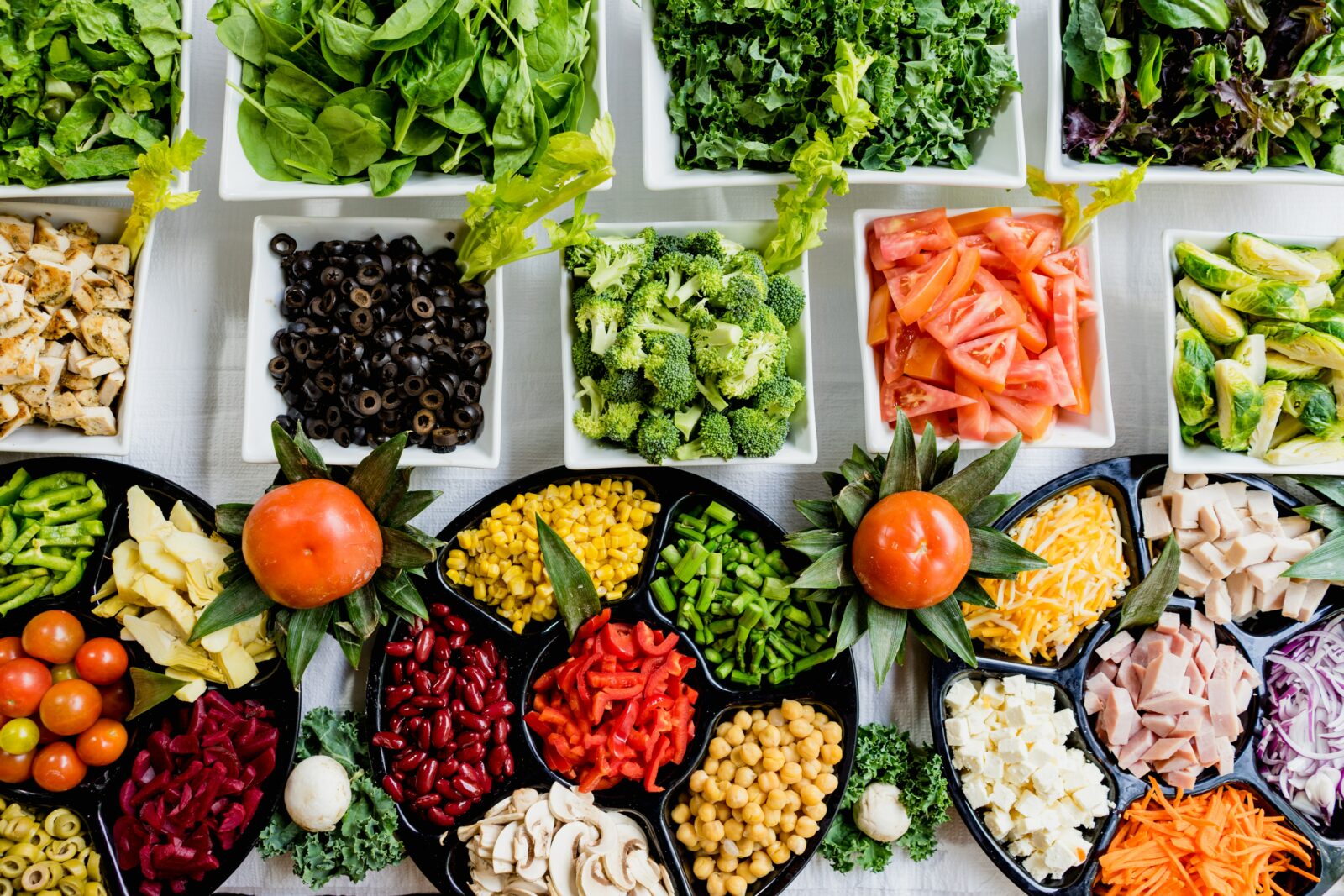
Nutrient density is the key to a transformative diet. Ensuring that your diet provides your body with all of the nutrients it needs, you promote a healthier, longer life. It helps prevent disease, and it helps end food cravings, normalizes your appetite, and helps maintain your ideal weight.
Our western diet is lacking in many nutrients. We have wide-scale prevalence of chronic diseases that are a result of our poor nutrition, sedentary lifestyles, chronic stress, and overexposure to environmental toxins. With all the factors impacting your health today, you need to put a priority on consuming high-quality protective micronutrients.
Macronutrients are food types such as proteins, fats, and carbohydrates. Micronutrients are the vitamins and minerals our bodies absorb from our diet or make with the help of food and sunlight. You will find a wide array of ideologies surrounding diets. In general, you should consume foods that promote greater health and wellness in addition to tasting good. There is no one-size-fits-all method. Rather, you should work with your functional medicine doctor to tailor an approach that suits your specific needs.
What is nutrient density?
Simply put, it’s that ratio of nutrients per calorie. A high ratio of nutrients to calories is the foundation of a healthier diet.
Unfortunately, the American healthcare system and pharmaceutical industry profit from chronically sick people. It’s a vicious cycle of poor nutrition and disease with symptoms that the drug companies and doctors seek to mask. Instead, they should seek the root causes of the diseases and address them appropriately.
An increasing number of doctors are moving away from this illness-based approach. You have a wide array of products and programs that promote health. Still, choosing a healthy diet tailored to your specific needs is the first step to take.
We have lifestyle choices
You may know someone who suffers from diseases like type 2 diabetes, cardiovascular disease, and various forms of cancer. While huge amounts of money are spent in pursuit of cures, far less attention is spent on educating people about lifestyle choices that can lead to certain diseases.
You may have already lost a loved one to a lifestyle-related disease. Still, we have no widespread program to educate Americans on improving their diets and exercise programs. This is despite the fact that many Americans face a higher risk of death from these diseases. And we know that comorbidities are a significant factor in the risk of death from COVID-19. For many Americans, their immune systems are impaired because of chronic ill health due to a poor diet, lack of exercise, and stress.
In addition, many people have maladaptive behaviors like drinking excessive alcohol, using illegal drugs, and smoking tobacco.
The problems with fast food
As tasty as they are, and they may be an occasional treat to enjoy, processed industrial foods served at fast food outlets are damaging to your health. They are highly processed and mostly lacking in nutrients necessary for humans to thrive. Too many people consume fast foods as their primary diet, which has led to a huge increase in disease, suffering, and death.
Some research shows that processed fast foods can cause genetic damage as well. This is passed on to children and grandchildren. Scientists need to investigate whether this contributes to the increases in learning disabilities, autoimmune disease, autism, and allergies.
In general, fast food is a commercially made food that contains processed grains, artificial ingredients, sweeteners, salt, and oil resulting in a high calorie count and very low nutrient count.
Feeding your body the right nutrients
Becoming healthier means having a better relationship with food. You need to slow down and find the time to make better choices. But, investing a little time and avoiding fast food produces many benefits.
Changing your diet doesn’t have to be difficult. While food addiction is real, you can overcome it by shifting lifestyle behaviors. Eating nutrient dense foods increases your likelihood of living a longer life. And, it improves your quality of life. A nutrient dense diet promotes greater overall well-being and more stable moods.
Begin by choosing a mostly plant-based diet that focuses on eating nutrient-dense foods. You don’t need to go vegetarian, but you will naturally consume fewer animal products, many of which are processed, filled with toxic byproducts, and raised in very poor conditions. Avoid processed, packaged foods and choose natural, unprocessed, whole vegetables and fruits as the foundation of your diet.
Avoid adding salt, oil, or sugar to foods. As you do this, you may be surprised how often and how much you typically add. As you eliminate processed foods, you will be eliminating detrimental vegetable oils and excessive salt and sugar. Your diet will be focused on packing anti-cancer and disease-preventing micronutrients, phytochemicals, and antioxidants into your meals.
The foods you want to focus on are seeds, berries, greens, beans, mushrooms, and onions. These are the most health-promoting, cancer preventing foods. They help support your immune system naturally and inhibit storage of fat.
Seeds and nuts
Eating a variety of nuts and seeds is a heart healthy snack. They contain healthy fats which aid in the absorption of micronutrients. Nuts are a rich source of monounsaturated fatty acids and fiber and have been shown to decrease the risk of cardiovascular disease and the risk of developing Type 2 diabetes mellitus. Nuts provide a number of benefits including improved weight management, greater insulin sensitivity, and favorable endothelial effects, as well as having anti-inflammatory properties.
Regularly substituting a handful of raw, unsalted nuts or seeds instead of a bag of chips can go a long way towards improving your health. Try exploring the many different varieties of nuts and seeds to find out which ones work for your diet.
Berries
Laboratory and clinical studies provide strong evidence of the cancer-preventive potential of berries. They contain nutrients, phytochemicals, and polyphenols. Berries reduce oxidant and carcinogen-induced genetic damage and support DNA repair. They are regularly described as “superfoods” because of their cancer-preventative, heart-protective, and brain-boosting impact. Blueberry supplementation improves memory in older adults according to a study in 2010.
Leafy greens and cruciferous vegetables
Most Americans don’t consume enough greens. Leafy greens, cruciferous vegetables, and sprouts are the most nutrient-dense foods. Greens are an excellent source of plant protein that is packed with phytochemicals, which are chemicals that may prevent carcinogens from forming. They are also rich in folate, calcium, and antioxidants.
Cruciferous vegetables such as kale and broccoli are cancer-fighting powerhouses. Cruciferous vegetables contain glucosinolates, which are converted into isothiocyanates (ITCs) as a result of the chemical reaction that occurs with chewing. This mastication causes the cell walls in green vegetables to break, which allows myrosinase enzymes to react to the glucosinolates and produce ITCs.
Sulforaphane found in broccoli, and other cruciferous vegetables, is an ITC that has been found to have a key role in preventing oxidative stress, inflammation, and fatigue. Consumption of leafy greens and cruciferous vegetables has been linked to a lower risk of ovarian, colorectal, gastric, and breast cancer. It is also linked to a lower risk of cardiovascular disease.
Beans and legumes
Beans and legumes help keep blood pressure and blood glucose down because they are digested slowly. Beans have good amounts of soluble fiber and resistant starch, which are carbohydrates that digestive enzymes don’t break down. As a result, even a small serving of beans can go a long way toward weight loss and the reduction of cravings. According to one study, a higher intake of legumes was associated with a decreased risk of several cancers including those of the upper aerodigestive tract, stomach, colorectal, and kidney.
Onions and aromatics
Onions and other vegetables in the Allium family like chives, leeks, shallots, and garlic have anti-cancer properties. They contain anticancer phytochemicals called organosulfur compounds, which are released from the vegetables upon their processing (mincing, chewing, etc.). The known health benefits of Allium vegetables include cardiovascular effects, improvement of the immune function, lowering of blood glucose level, radioprotection, protection against microbial infections, and anti-cancer effects.
Mushrooms
Regularly eating mushrooms has been associated with a decreased risk in certain cancers. Compounds contained in mushrooms called aromatase-inhibitors are already used in drugs to treat breast cancer. Commonly-eaten mushrooms such as white, cremini, and portobello are thought to help prevent breast cancer.
A 2006 research article published in the American Association for Cancer Research’s (AACR) journal called “Cancer Research,” stated that, “clinical trials have shown aromatase-inhibitors to be effective in the treatment of hormone-responsive breast cancer and to significantly prevent contralateral cancers.”
Final thoughts
Enjoy life more by slowing down and eliminating fast foods. Convenience foods are tasty but not worth the detrimental effects on your health. Mass production and overconsumption of processed fast foods is harmful.
Invest in your health by taking time to eat whole foods packed with nutrients. Focus on a high ratio of nutrients to calories. Opt for an apple or a handful of nuts instead of chips. Add a salad at lunchtime rather than ordering a hamburger and fries at the drive through kiosk. These changes will improve your overall well-being.