
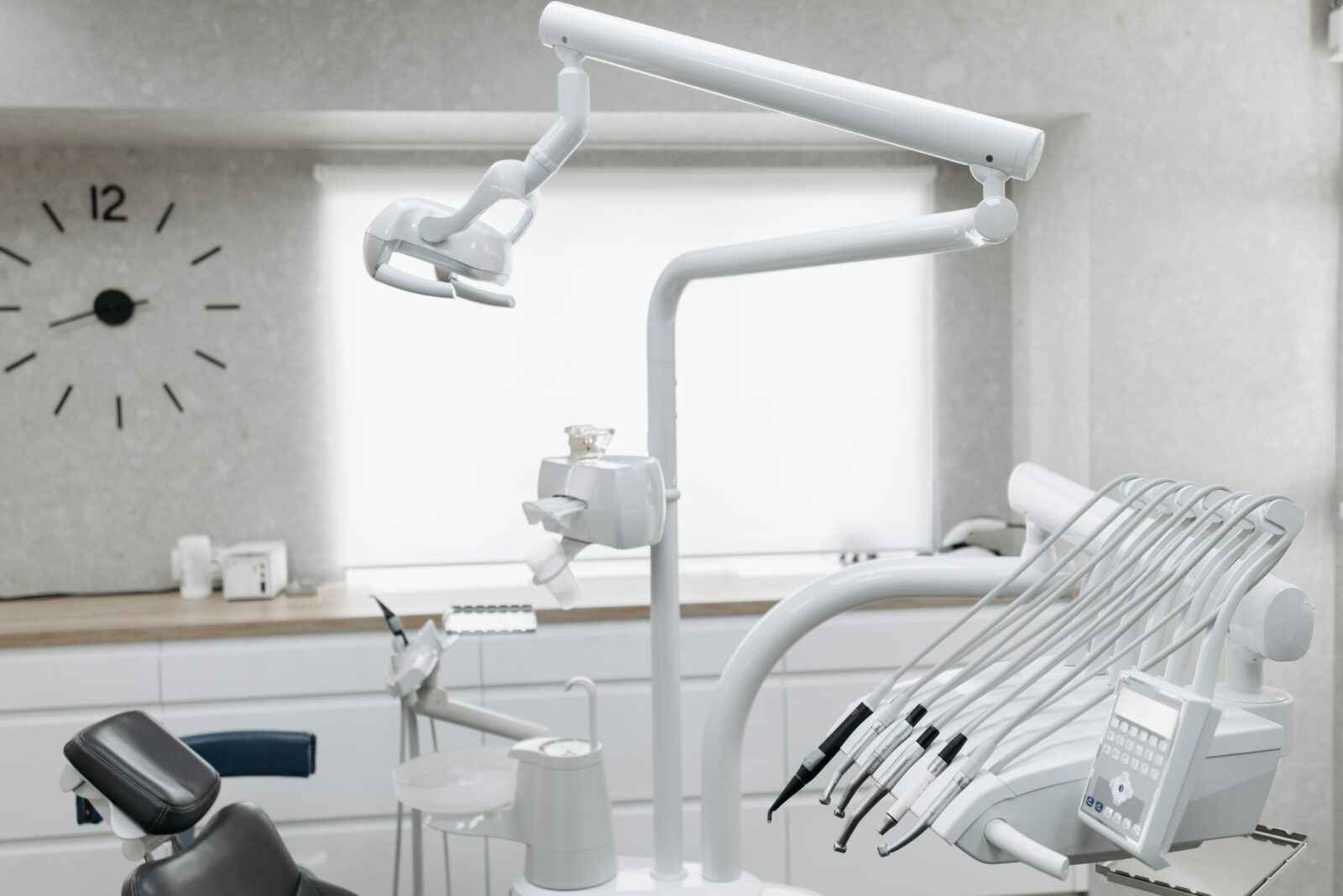
Your teeth, gums, tongue, and oral cavity have a huge impact on your entire body and health, which is why you should consider a holistic, biological dentist rather than a conventional dentist. There are hidden oral issues that are causing an epidemic of chronic health problems including chronic inflammation. A biological dentist knows how to address these issues for better overall health.
The problem with traditional dentistry
Traditional dentistry focuses on the repair and maintenance of your teeth and correcting your bite. This conventional approach makes sense since fully developed teeth don’t change much. The effort is to keep them in the same state and maintain your ability to chew fully and consistently through life.
However, dentists are not medical doctors. They are trained in maintaining a proper bite, repairing teeth, and treating pain locally at dental school. This approach can lead to many problems, which this article will address.
A common problem is the development of a cyst on the tip of a root canal-treated tooth. This is a sign of chronic inflammation. A conventional dentist is only concerned if it hurts. If not, the plan is typically to monitor the cyst rather than find the root cause of the cyst and treat it.
Thus, the important connection between a chronic, silent inflammation in your mouth causing a pro-inflammatory state throughout your entire body is rarely made. This is why it is critical to remember that “the mouth is a mirror of overall health.” If you have issues there, you’ll have them somewhere else in the body as well.
How “interferences” can cause chronic inflammation
Hidden health issues can become chronic stressors that put a significant strain on your immune system, hormones, health, and performance. Frequently, these stressors start in the mouth. By removing them, you can boost your health quickly because health starts in the mouth.
Your mouth is the gateway to the rest of the body. Whatever enters it gets transported and has an impact on the rest of your body. This includes food, metals, toxins, cosmetics, and more.
Biological dentistry is more aware of this than other areas of the health industry. A biological dentist looks beyond simply repairing broken teeth. Biological dentistry seeks to make the body as healthy as possible by addressing any issue that could cause disruptions to optimal health. It seeks to remove anything that could result in inflammation.
Biological dentistry calls this removing “interferences.” This can help many people suffering from chronic illnesses and be a step towards greater health and higher performance. When interferences are eliminated, the body is better able to switch from sympathetic mode (fight or flight) to parasympathetic mode (rest, digest, repair). The parasympathetic mode is necessary for the correct functioning of the immune system and for restoration and regeneration.
Your immune system works to defend and repel viruses, bacteria, fungi, and other microorganisms. In industrialized countries, there is an epidemic of chronic diseases. There are many causes, but hyper-reactivity of the innate immune system with the chronic production of proinflammatory cytokines plays a crucial role in this equation.
Your teeth are like your liver, stomach, or intestines. They are organs with their own blood and nerve supply and are attached to a very important cranial nerve, the trigeminal nerve. In addition, teeth are directly connected to the vagus nerve and therefore connected with the autonomic nervous system. They are also the organs that are anatomically closest to the brain, which is a crucial point to remember.
This is why highly toxic materials used in dental fillings can result in such serious conditions for your entire body. These toxic materials include mercury used in fillings.
There are 5 primary interferences that biological dentistry addresses:
- Cavitations
- Metals
- Root Canal Treatments
- Biting problems
- Imbalanced Oral Microbiome
Let’s take a deeper look at some of these interferences.
1. Cavitations
Cavitations are chronic inflammation in the jawbone. They are also called fatty degenerative osteonecrotic jawbone (FDOJ), chronic ischemic jawbone disease (CIBD), or neuralgia inducing cavitational osteonecrosis (NICO). Cavitations cannot be detected by x-ray because they are the result of dental germs, extraction wounds, or foreign bodies. Inflammation frequently occurs at the extraction wound from wisdom teeth that have been removed.
Toxic substances and inflammatory cytokines develop in the jaw, which can cause various problematic conditions such a joint, neurological, or gastrointestinal issues. They are diagnosed using 3D digital volume tomography (DVT) that is read by a qualified biological dentist. Conventional dentists do not do this.
FDOJs can be removed using a minimally invasive surgical technique. The wound is cleaned out and disinfected with ozone using a technique known as Piezosurgery, a procedure that also uses ultrasound. The wound is filled with biological materials made from the patient’s blood making it compatible. This essentially uses a mechanism the body would use to heal itself.
When the human body is injured, it generates proteins to accelerate the wound healing process. These are used to produce natural tissues. A small amount of blood is taken from the patient and centrifuged then used to make a suspension fluid with a high concentration of platelets. These platelets contain the information required for tissue regeneration like various growth factors and stem cells. When these are placed in the wounded area of the treated FDOJ, they serve as a matrix for bone regeneration and stimulate tissue regeneration.
2. Metals
Metals are still used in conventional dentistry despite the availability of non-toxic options. For different metals such as mercury, gold, platinum, copper, cobalt, aluminum, iron, and chrome, the cytotoxic (neurological diseases), immunological (autoimmune disorders), and mutagenic (cancer) effects, as well as effects on the heart are scientifically well documented.
The most accurate option in testing heavy metals is the urinary heavy metal challenge, which is usually performed under the supervision of a medical or naturopathic doctor by using a chelator like ethylenediaminetetraacetic acid (EDTA), dimercaptosuccinic acid (DMSA), or 2,3-Dimercapto-1-propane sulfonic acid (DMPS). However, this test should be done only after the offending metals have been removed. There are other heavy metal tests such as hair and blood analysis. These are all non-invasive options.
Amalgam is an alloy of mercury with various other heavy metals like silver, copper, or tin that is solid or liquid at room temperature according to the proportion of mercury present. It is used in tooth cements. Amalgam is routinely used in most dental practices. This is because it is easily processed and lasts for a long time and because it is subsidized by health insurance companies.
Mercury is considered the most toxic non-radioactive element, and thus exceeds all other known elements such as lead, cadmium, and arsenic. It has been banned in Norway and Sweden, which includes fillings composed of the metal. In Russia, amalgam was abolished by the end of the 1970s.
In dental practices, amalgam must be disposed of after removal as highly toxic hazardous waste. Amalgam consists of 50% mercury, which contrary to what is often assumed, is not firmly set in the filling after mixing. It is a health risk to have this metal in your mouth.
Metals create three problems:
- The toxicity of the metal: The highly toxic amalgam (contains 50% mercury) plays a key role. All heavy metals like mercury, lead, tin, aluminum, and cadmium are able to bind to sulfur-containing proteins, enzymes, cofactors, and cell membranes. This covalent bonding can completely block the function of important enzymes. Enzymes are needed for pretty much every function in your body—nutrient absorption, protein synthesis, bone-building, detoxification—and are an integral part of receptors such as insulin or vitamin-D receptors. They also play a role in preventing insulin resistance, fructose intolerance, and other issues. Eventually, your body will be depleted of necessary nutrients like glutathione and methyl-donors.
In addition, metal ions from all dental alloys dissolve in an aqueous medium like saliva and corrode, which increases the toxic burden on your body. It also results in a flow of current which is called the galvanic element, or essentially: a battery. Electro galvanism, and the resulting electrical sensitivity, can frequently be the cause of memory loss, sharp pain or pressure in the chest, lack of concentration, tinnitus, unexplained tachycardia, and hearing loss.
Chewing, grinding, brushing your teeth, or simply consuming hot or cold beverages release a certain amount of mercury vapor every day. All of this takes place within the microgram range; however, even one molecule of mercury can destroy nerve cells. A study by Leong and Lorscheider showed that inorganic mercury quantities of 0.02 ng Hg/g led to the complete destruction of the intracellular microtubules and to a degeneration of nerve axons. In animal studies, after 14 days of amalgam wearing time, pathological changes were detected in the brain.
The human body stores, wherever possible, fat-soluble toxins in the metabolically inactive connective or adipose tissues. However, in athletic people or those with a low percentage of body fat, the toxins are frequently deposited in the nerve tissue or brain.
In the gastrointestinal tract, the mercury from amalgam is converted from microorganisms into the organic, methylated form. A 2 to 3-fold increase in organic methylmercury was exhibited in the saliva of amalgam carriers compared to subjects without amalgam. Fish consumption was identical in the two groups in both quantity consumed and frequency. Methylated mercury in the gastrointestinal tract seems to be much more toxic than methylmercury from fish consumption since the mercury in the fish is already bound to amino acids, whereas it is directly formed in the body and is more reactive. - The electrical component: In today’s age of mobile phone transmission, WIFI, radar, and various wireless networks used by the military and others all beaming around us 24/7, we are all inevitably bombarded with different frequencies and forms of electromagnetic radiation. Metal restorations and titanium implants used in the oral cavity act as small antennas with transmitter and receiver effects which can interfere with your nervous system. The radiation is amplified in an uncontrolled manner resulting in the heating up of surrounding tissue. The standard absorption rate of electromagnetic fields can be increased 400 to 700-fold through the use of a cell phone (ringing or SMS reception) in combination with metals in the mouth.
- The immunological component: None of the dental metals actually have a positive biological function in the human body. They are foreign matter to your body and immune system that can trigger an allergic reaction. This process is individual and independent of the quantity or number of metal crowns, inlays, or metal implants. The cell forms antibodies to the metal or the compound resulting from the metal and cell, which plays an important role in the development of autoimmune diseases such as thyroiditis, Hashimoto disease, and MS. Your body is at war with a foreign object all day, every day.
3. Root canals
A tooth that has undergone a root canal is a dead tooth. No other medical discipline would accept leaving a dead body part in the body. Dead body parts must be removed to prevent toxic risks, infections, and inflammation.
A root canal provides relief from pain and helps address the infection initially. However, a root canal treated tooth will eventually be repopulated with bacteria. This leads to chronic problems. Root canals should be used only for short-term, acute pain treatment.
Root-canal-treated teeth are chronic inflammatory sites that can lead to chronic problems locally, but more often in other areas of the body as well. Over a century ago, Weston Price coined the term “focal infection” for this purpose. Without a blood, nerve, and lymph supply the tooth is only dead organic tissue with no immune function. This is the perfect spot for pathogenic microorganisms.
There are between 30-75,000 “dentin canals” per square millimeter. Pathogenic bacteria exist in this canal system in a root and form highly toxic sulfur compounds, which can block vital enzymes at their active center. As nonliving organic tissue begins to decompose, necrogenic material with increased toxicity can develop. Therefore, it’s crucial to remove all possibilities of infection because the immune system won’t recognize it and respond appropriately.
Instead, the nonspecific innate immune system reacts to this infectious site with the increased production of pro-inflammatory cytokines. This leads to chronic inflammation systemically, as well as of the surrounding tissue locally.
Teeth and their periodontium are linked with other physical structures and organs. Interactions of positive and negative influences are possible in both directions.
A disturbed organ can pathologically affect the associated odonton, and conversely, a sick tooth can disturb its correlating organ. If you have had a root canal, it’s important to keep this in mind in case you develop symptoms. You can provide this information to your doctor.
If you suffer from chronic conditions, a consultation with an experienced biological dentist who can remove a diseased tooth or address an infected root canal site might be in order. They can thoroughly clean and disinfect the surrounding structures (with ozone and neural therapy) and replace the tooth with a ceramic implant immediately to ensure the gum and underlying bone don’t recede.
4. Bite problems and dysfunctions of the mandibular joint
The chewing process is essential to our survival. In the last 100 years, innate and developmental abnormalities of the upper and lower jaws have become much more common. This is due to epigenetic issues and nutritional issues.
Food seems to be directly linked to the development of malpositions of the teeth and jaw. Processed foods, sugar, and white flour seem to be the culprits.
Dental occlusion and eye level are directly connected to one another and should be quite parallel to each other. In every mammal, the eyes are fixed on the horizon (labyrinthine righting reflex). Even the slightest changes in occlusion can lead to an imbalance in this structure. The compensation occurs through simple control mechanisms in the muscular and ligamentous apparatus, but initially through a shift of the cranium along the sutures and meninges. This manifests itself in tension of the deep neck musculature. Eventually, it is transferred onto the shoulder and pelvic girdle. Thus, in the long-term, misalignments and malpositions of the whole posture can develop.
This deep neck muscle tension can result in a reduced blood supply to the brain and decreased blood flow and lymphatic drainage from the brain. A millimeter loss at bite level leads to a clear loss in lymphatic drainage and concomitantly to an accumulation of toxins in the brain area. Many symptoms can develop including myoarthropathy, craniomandibular dysfunction, concentration and memory loss, insomnia, migraines, neck pain, and depression.
5. Imbalanced oral microbiome
We have been taught that good oral health means a clean mouth. However, a healthy mouth has many beneficial microorganisms. Stability and balance among the different types of microorganisms are far more important than sterility.
Anatomically, the mouth and the gastrointestinal tract are obviously linked. Our mouths are not isolated units that simply stop after the uvula. You should think of the mouth and intestinal system as one unit.
Every strain of bacteria in your mouth got there through your mouth. We know that the microbial populations of oral and intestinal flora remain strongly connected throughout our lives. Even our saliva contains around 109 microorganisms per milliliter. They are delivered to your intestine every time you swallow.
The close connection between the mouth and intestines has many advantages for humans. Visibility is one of them. While it takes surgery or other medical procedures to examine the intestines, all you have to do is open your mouth to have a look.
Occasionally, you don’t need to look inside the mouth. Halitosis, or bad breath, is frequently an indication of an imbalance in the microbiome of the mouth. An imbalance in the oral flora might smell acrid, sour, sulfurous, or—in the case of severe inflammation—like a festering open wound.
If there is an unfavorable bacterial climate here because the gums or tooth roots are chronically inflamed, or because bad tooth fillings are constantly releasing toxic substances, this problem spreads beyond the mouth into the intestinal tract. If the oral microbiome becomes imbalanced, the intestinal microbiome can become imbalanced as well.
Recently researchers discovered that inflammatory bowel diseases such as Crohn’s or ulcerative colitis may begin in the oral microbiome. Scientists have found increased numbers of bacteria types that are usually found in the mouth in the intestinal microbiome of people with chronic diseases. Researchers are investigating if a specific genus of bacteria can cause intestinal inflammation in people with a predisposition to certain conditions.
Removing metals from the mouth safely
Amalgam fillings have been used in the mouth for many years now, but due to the enormous immunological and toxicological strain they place on our bodies, these metals are no longer needed and no longer have a place in the mouth.
While all metals should be removed as part of a thorough biological dentistry or functional medicine treatment, this procedure should only take place under very carefully protective measures.
Unfortunately, it is when patients seek to have their amalgam fillings removed by non-biological dentists that most mistakes happen. Many traditional dentists don’t know how to remove amalgam safely, aren’t aware of the problems related to it, and may not see the need to take any special protective measures when removing it. Because large quantities of highly toxic, inorganic mercury vapor are released during the drilling process of removing amalgam fillings, this procedure can only take place under maximum protective conditions.
Ceramic implants: the metal-free solution
Despite low success rates, root canal treatments have prevailed because there have been no good alternatives. The other option was pulling the tooth out and inserting a dental bridge into the gap, later to be filled with a titanium implant.
Conventional dentists will present a root canal as a way to save the tooth. This is because dentists are traditionally trained to preserve teeth.
Biological dentistry views this differently. Dentistry, technology, and implantology have made considerable progress in recent years. Diseased teeth can cause serious chronic diseases, but removing them has historically resulted in the loss of bone and gums, unpleasant aesthetics, and discomfort.
Today things are different because new, highly biocompatible materials are available. In biological dentistry, ceramic implants are the material of choice when it comes to filling a gap. Today, dental quality ceramic is made from zirconium dioxide, which surpasses metals in terms of stability and biocompatibility.
Ceramic implants do not conduct heat, which means the surgeon has to focus more on the condition of the bones. Additionally, they can only heal in a healthy body with healthy bones, which means the dentist carrying out the treatment needs to be very familiar with the correct healing process. Aside from these two constraints, there are many advantages to ceramic implants. Unlike gray titanium, they are free from metal and completely white.
But the most crucial factor is that they are completely neutral. They do not release electrons and don’t cause interference in the body. Ceramic is also more friendly to the body’s tissues. Unlike metal materials, the gums are able to grow properly around ceramic, which heals well in the bone and accumulates less plaque. This helps to counteract inflammation.
When a tooth needs to be removed, a dentist usually has to wait a while for the wound to heal before filling the gap with an implant. But it turns out that doing the opposite is actually much more effective. Once the tooth is out, it’s best to insert the implant immediately ensuring that the bone and soft tissues are supported right away. It also means the gum doesn’t recede. An implant acts like a kind of plug that supports the tooth socket and bone.
In addition, the body’s regeneration capacity is at its highest when the tooth is removed, since the body is trying to heal the wound anyway. At this time, there are more growth factors being released and protein synthesis is running at full speed. The body also has to rebuild fewer bones this way, because the implant takes up a certain amount of space itself. If there is an extended period of time between the tooth extraction and implant insertion, it’s often the case that valuable bone substance is lost and has to be rebuilt.
Final thoughts
Biological dentistry is the overlap of functional medicine and high tech dentistry that focuses on your overall health.
Optimal health begins in your oral cavity because it is the entrance to your entire body. It can impact chronic inflammation, toxicity, the microbiome, dysbiosis, chronic stress, electrosensitivity, and leaky gum and gut.
Biological dentistry suggests that you avoid food intolerances and toxins like grains, sugar, dairy, and highly refined omega-6 oils. The right macronutrient timing and micronutrient tuning helps you get out of chronic sympathetic mode.
Your objective is to have a strong immune and nervous system that works in balance and isn’t blocked or overly aggressive. This will help you become more anabolic, and therefore better able to better build bone and tissue and allow their body to detoxify optimally.
Experience shows that when you remove all dental issues like metals, osteonecrosis in the jaw bone (FDOJ/CIBD/NICOs/cavitations), root canals, and other interference fields, the immune and nervous system will function more efficiently. Better health begins with a healthier oral microbiome and removing toxins from your mouth.