
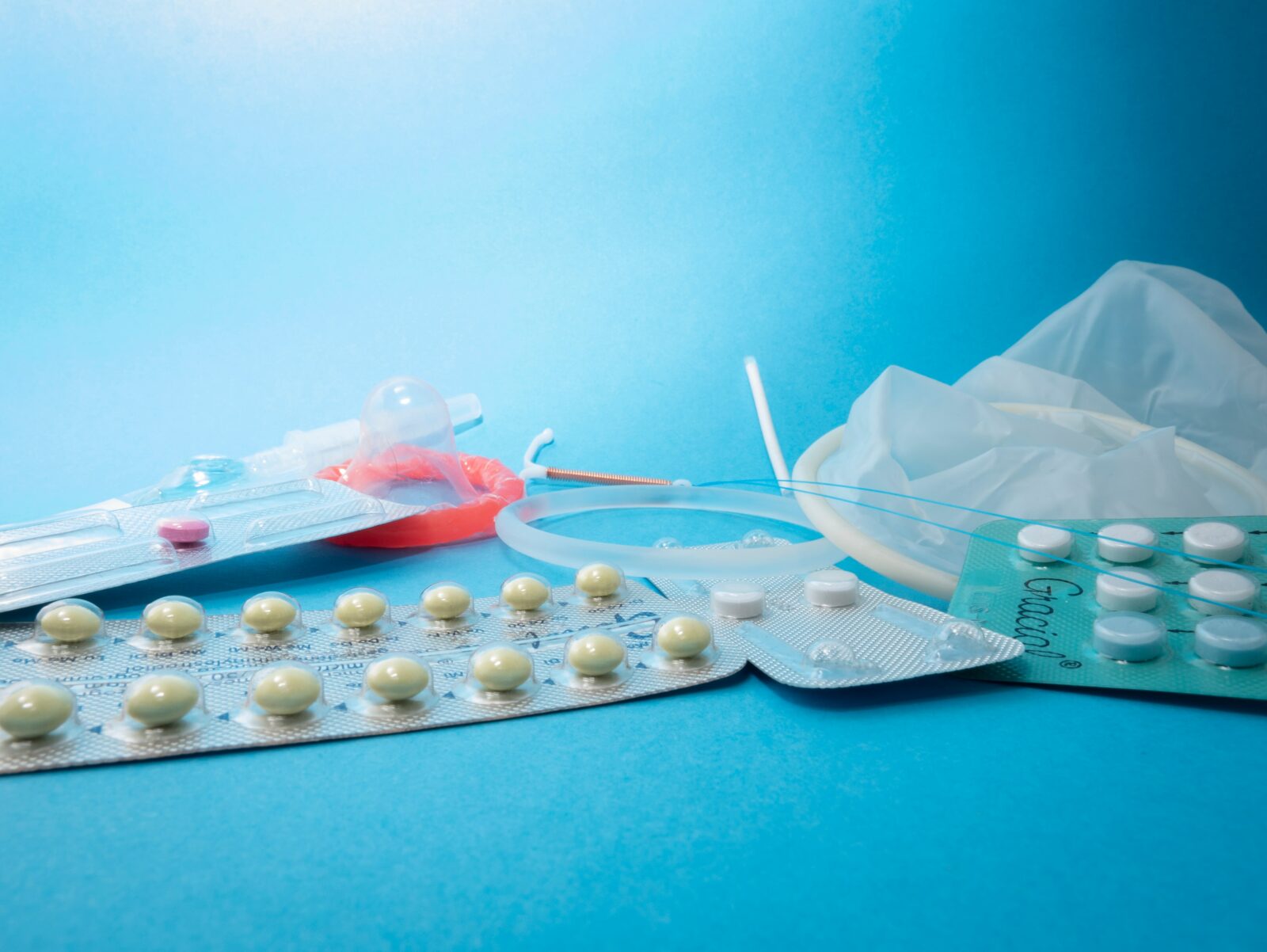
Are you taking birth control pills? They are convenient and effective, but are there any downsides to using them? Weight gain is a common complaint from women using them. Let’s take a look at whether or not birth control pills contribute to weight gain, how testosterone affects you, and some tips for supporting your natural hormones and leveraging them for better athletic performance. In addition, let’s take a look at some non-hormonal options for birth control.
Do birth control pills cause weight gain?
Whether or not birth control pills contribute to weight gain is a major reason women resist taking them. Studies show that the weight gain caused by birth control pills is most likely water retention or is minimal. Still, a Cochrane Review article published in 2014 concluded that the “available evidence was insufficient to determine the effect of combination contraceptives (Ethinyl estradiol and progestin) on weight, but no large effect was evident.”
According to peer-reviewed studies, it doesn’t appear that birth control pills cause weight gain. More evidence is necessary to address the concerns that women have regarding this issue.
What studies do show is that the pill may have a negative effect on body composition and contribute to a decline in muscle mass, overall strength, and lower metabolism. Hence the feeling that the pill causes weight gain.
The link between the pill and a woman’s overall health is more complex than originally thought. And, the pill affects women differently. It’s important to understand how the pill may impact your weight, body composition, and the effect testosterone has on your body.
Testosterone and your metabolism
Testosterone is the “male sex hormone,” although women also have testosterone in their bodies, just not as much. It’s an important hormone that impacts our heart health, bone strength, mood, drive, and muscle mass. It also contributes to oily skin, acne, and hair loss when levels are excessive.
The birth control pill lowers total and free testosterone in your body. A study published in 2014 found that the pill is effective at lowering testosterone levels while increasing levels of sex-hormone-binding globulin (SHBG), which is a protein that binds free testosterone.
Acne and polycystic ovary syndrome are some of the primary reasons women are prescribed the pill for non-contraceptive reasons because it is so effective at lowering testosterone.
Testosterone rises during your cycle during the follicular phase that leads to ovulation. The follicular phase is a good time to build muscle and lift weights. Testosterone increases muscle mass through protein synthesis.
In addition to reducing testosterone production, some birth control pills block androgen receptors. Testosterone and DHEA are androgens. When blocked, they can no longer support muscle growth. Blocking the receptors helps with acne but it can negatively impact your long-term metabolic health.
In a natural menstrual cycle, you will experience an increase in your metabolic activity and will burn more calories during certain times in your cycle. Most notably, women’s basal metabolic rate increases in the luteal phase. However, you don’t ovulate when on the pill. You won’t experience a boost to your metabolism.
Does suppressing your cycle give you an athletic advantage?
This has been the conventional athletic wisdom for decades. Professional athletes are frequently advised to remain on the pill to overcome the decrease in exercise tolerance during the luteal phase.
Some studies suggest a decrease in time to exhaustion during the luteal phase, while other studies show that in temperate climates, there is no decrease in female athletic performance during the luteal phase.
A 2003 study published in the Medicine & Science in Sports & Exercise concluded that “regularly menstruating female athletes, competing in strength-specific sports and intense anaerobic/aerobic sports, do not need to adjust for menstrual cycle phase to maximize performance.”
What this means is that the conventional wisdom may be unwise.
In a randomized, double-blind, placebo-controlled trial in highly trained athletic women it was found that the use of “moderate dose triphasic oral contraceptives resulted in a mean decrease in VO2MAX of 4.7% compared to a 1.5% improvement in placebo.”
This decrease in VO2MAX, a test to evaluate cardiovascular fitness, was not linked to changes in weight, strength, or endurance performance. However, it was linked to an increase in skin fold measurements. The scientists stated “the decrease in VO2MAX that occurs when oral contraceptive is taken may influence elite sporting performance in some women.”
Notably, this study was conducted on the short-term use of birth control pills. More long-term studies are necessary to determine the impact on athletic performance and whether the decrease in VO2MAX continues despite discontinuing birth control pills.
Insulin resistance and hormonal birth control
Insulin regulates blood glucose and is involved in strengthening the body of athletes. Studies have shown that hormonal birth control is associated with insulin resistance in some women. In fact, birth control pills may put some women at a higher risk of developing diabetes.
Supporting your hormones for greater athletic performance
Recently, the United States Women’s National Team (USWNT) soccer team attributed their win, in part, to tracking their menstrual cycle and implementing specific practices to leverage where they were in their cycle.
If you want to follow their example, try these steps for at least several months.
Track your cycle
Record the first day you start your period, how long it lasts, and how many days until your next period as a starting place. Record any symptoms you may have. In addition, track your exercise routines along with tracking your cycle including maximum output, time to fatigue, and time to recover.
Eliminate sugar and refined carbs
The pill can cause insulin resistance, blood sugar dysregulation, and potentially decreased metabolism. You must eliminate foods that exacerbate those conditions. This includes processed foods, desserts, white bread, and pastries. You can enjoy them in careful moderation and watch out for blood sugar spikes.
Eat a nutrient-dense diet
Fill your plate with nutrient-dense foods that serve your health, hormones, and metabolism. Try to eat protein, fat, and vegetables at every meal, including breakfast, to balance blood sugar. It will support your liver and gut in the job of detoxifying hormones.
Take smart supplements
Birth control pills are known to deplete your body of zinc, magnesium, B vitamins, antioxidants, and CoQ10. Consider taking appropriate supplements to keep your levels up.
Support your gut health
Your gut helps eliminate hormones your body does not need. Research shows oral contraceptives impact gut flora, adversely affecting estrogen metabolism with all its detrimental consequences including weight loss resistance. The pill also increases your risk for inflammatory bowel diseases like Crohn’s disease. Leaky gut and other gut issues also frequently trigger or exacerbate inflammation, and chronic inflammation opens you to many potential diseases including obesity.
Time your meals
While intermittent fasting is a healthy option, if you are having issues with hypoglycemia or your adrenals, then eating meals at regular intervals may be necessary. Otherwise, practice intermittent fasting, which has been shown to be effective for weight loss and maintaining lean body mass.
Maintaining a healthy weight and body composition involves more than calories and time spent in the gym. It’s important to understand how your hormones and the birth control pill can potentially affect your energy levels and ability to achieve your goals.
Non-hormonal birth control alternatives
What are the options for preventing pregnancy other than hormonal birth control? Birth control has been instrumental in helping women to take control of their reproductive health. The ability to prevent an unplanned or unwanted pregnancy is important for all women.
Here is a brief list of non-hormonal birth control options:
1. Condoms
Condoms are an effective means of preventing pregnancy when used correctly. When used properly, 0.02% of women will get pregnant. Condoms have the added benefit of helping protect against sexually transmitted infections (STIs).
2. Diaphragm
Diaphragms are reusable silicone domes that fit over the cervix. When used perfectly, women have a 6% chance of becoming pregnant. It’s important to note that diaphragms have been linked to UTIs, yeast infections, and discomfort.
3. Copper IUD
The copper IUD is a non-hormonal IUD placed in the uterus by a practitioner. Women using the copper IUD have a 0.5%–0.8% chance of becoming pregnant. Like all methods of birth control, there are risks involved such as Pelvic Inflammatory Disease.
4. Fertility Awareness Method
This involves learning and interpreting the signs of ovulation. Fertility Awareness requires diligence because otherwise, the pregnancy rate is between 13% and 20%.
Final thoughts
If you are having symptoms, pinpoint the root cause of your hormonal issues such as low testosterone, estrogen dominance, or low progesterone. Detox your liver, support your adrenals and thyroid, heal your gut, reverse metabolic mayhem, boost fertility, and enhance mood. Eat a nutrition-packed diet. Discover a pain-free, manageable period free of cramps, acne, stress, or PMS without the harmful side effects that come with the pill.