
Our understanding of what causes depression is changing rapidly now. Recently, a breakthrough study debunked the conventional wisdom that depression is caused by a chemical imbalance in the brain, specifically serotonin.
While scientists are still looking for a definitive answer, you have some options with natural supports, like your diet. While depression can’t be cured through diet, what you eat can play a significant role in managing symptoms.
Research suggests that what you eat can affect mental health. A recent study published in BMC Medicine showed that people with moderate to severe depression experienced improved mood when they ate a healthier diet. This healthy diet encouraged eating whole foods and discouraged refined foods, fried foods, and sweet treats. In this particular study, more than 30% of the participants experienced remission on their diet for depression.
What foods can alleviate depression symptoms?
While diet and depression don’t always go together, the following list covers the foods that just might relieve symptoms of depression.
Berries: An anti-depression diet includes blueberries, raspberries, blackberries, and strawberries because they are full of antioxidants. Studies show that those who consumed ample amounts of antioxidants had lower depression scores.
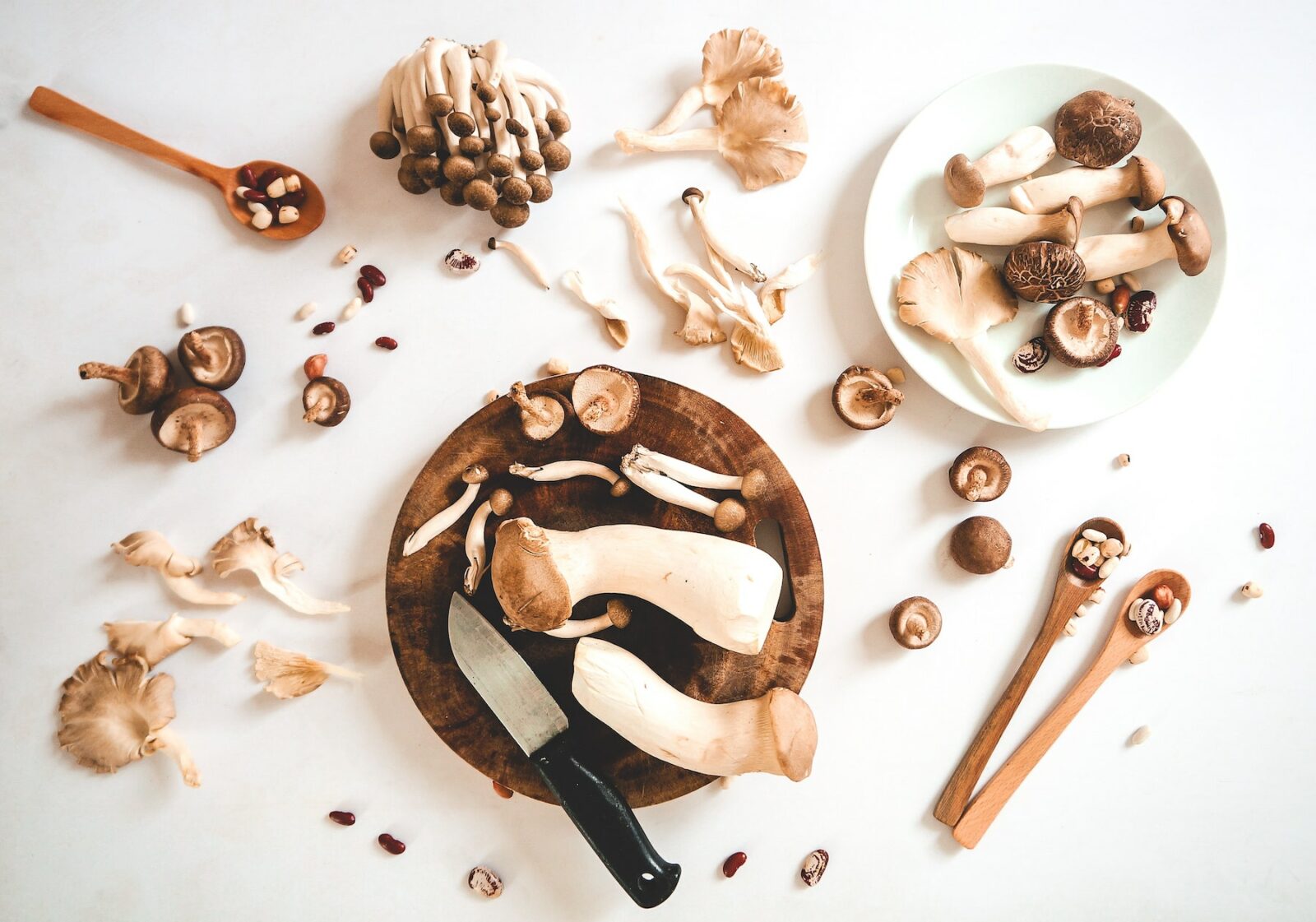
Mushrooms: This is part of the diet for depression for two reasons: mushrooms oppose insulin, lowering blood sugar levels and evening out mood. They also act like a probiotic to promote a healthy gut. Nerve cells in our gut make most of the serotonin in our body, which is an important neurotransmitter.
Onions: Some doctors suggest that onions can help fight depression. Onion and garlic have been associated with a reduced risk of cancer in the digestive tract. Onions and garlic also have anti-inflammatory flavonoid antioxidants.
Tomatoes: These contain higher levels of folic acids and alpha-lipoic acid, which can help combat depression. Some studies show folate deficiency in people who suffer from depression. Folic acid can prevent neurotransmitter production from becoming restricted. Alpha-lipoic helps convert glucose to energy, giving it the ability to stabilize mood.
Dark leafy greens: These are nutrient-rich inflammation fighters. Spinach, Swiss chard, and kale are examples. A study published in JAMA Psychiatry in 2015 indicated that severe depression is linked to brain inflammation. Leafy greens contain plenty of vitamins A, C, E, and K, as well as minerals and phytochemicals.
Avocados: The avocado contains healthy fat in the form of oleic acid. It is considered good for the brain. The average avocado also has 4 grams of protein and is filled with different kinds of vitamin B, vitamin C, and E-12. They are low in sugar and high in fiber.
Beans: Beans are good for mood since we digest them slowly, which can help stabilize blood sugar levels. In fact, they are considered an anti-diabetes and weight-loss food.
Apples: Like berries, apples are high in antioxidants that can repair inflammation. Apples also have a lot of soluble fiber to balance blood sugar.
Protein-rich foods: Some forms of protein seem to be especially helpful for people who are depressed. Tuna, turkey, and chickpeas are among foods that help with depression because they contain tryptophan, which is needed to create serotonin.
Antioxidants are an important part of any diet. Antioxidants fight free radicals and free radicals are damaged molecules that cause problems, such as inflammation, premature aging, and cell death.
The brain is prone to damage, so if the body wards off free radicals, it may be able to avoid mood problems. Foods that are rich in antioxidants can help reduce the damage created by free radicals. Vitamin E, vitamin C, and vitamin A (beta-carotene) are examples of antioxidants that we can find in everyday foods.
Can some foods worsen depression symptoms?
While foods don’t cause depression, research suggests that for people prone to depression, it may help to avoid certain foods. The list below includes some of the common food items associated with symptoms of depression.
Processed food: White bread, cereal, pasta, and snack foods are refined or processed carbohydrates that can have the same effect on your blood sugar that consuming a bowl of candies will. Following an initial insulin boost, you can end up tired and sad after eating processed foods.
Hydrogenated oils: If you are prone to depression, avoid anything that is cooked in hydrogenated oils and trans fats, which are known to contribute to depression. Be careful with saturated fats found in products like butter, dairy, and deli meats. Processed oils, such as safflower and corn oil, are high in omega-6 fatty acids, which can lead to the promotion of inflammation in the brain and impact symptoms of depression.
Sodium: Excess sodium can interrupt the neurological system and cause fatigue. It can also lead to fluid retention and bloating, which can drag you down.
Refined sugar: Sweet treats may taste good at the time you consume them, but refined sugar causes blood sugar to fall, which can lead to a sugar hangover that affects mood and zaps you of energy. When shopping for food, remember that sugar comes in many forms, including corn syrup, honey, maltose, dextrose, fructose, and sucrose.
Alcohol: This is one of the worst offenders when it comes to depression. Alcohol is a depressant, as it has a noticeable effect on the central nervous system. It slows down thinking, understanding, and reasoning and can make symptoms of depression worse.
Caffeine: Some medical researchers have suggested that even a moderate amount of caffeine can influence symptoms of depression and anxiety. Since caffeine can disrupt sleep and lack of sleep impacts mood, it is easy to see why this is considered bad news for those who suffer from depression.
Final thoughts
If you suffer from depression, work with your functional medicine practitioner. Natural supports can help, but depression is a condition that requires medical guidance. If you think you are depressed, you should see a functional medicine doctor as soon as possible.
During your visit with a healthcare professional, ask about diet for your depression. An anti-depression diet may be all you need to address your symptoms, or your doctor may suggest a diet combined with another form of treatment.