
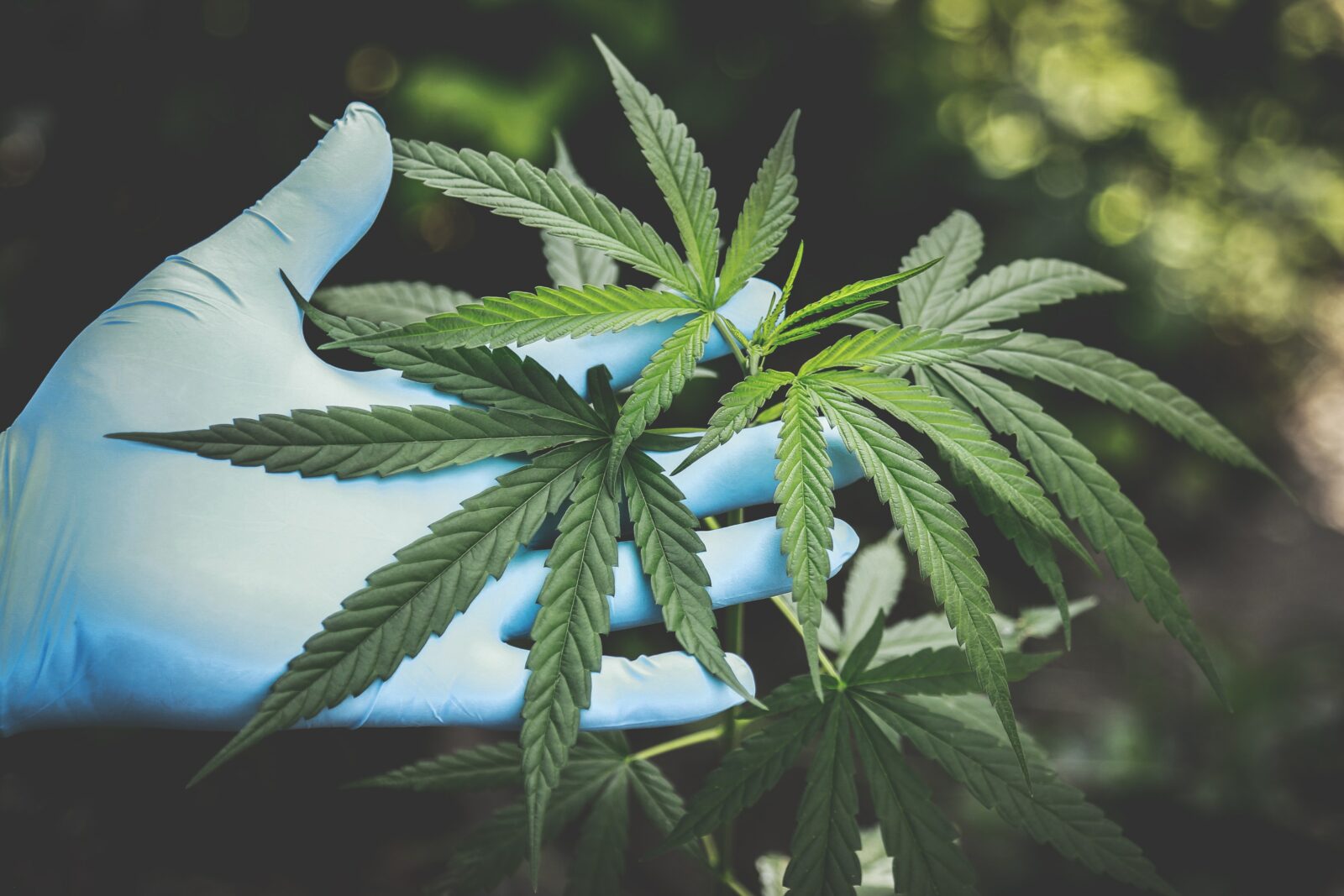
Can cannabidiol (CD) really help bolster your immune system? An increasing number of scientific studies suggest that the answer is “yes.” It’s a key reason that Wellness Plus includes CBD in our Soul Immunity CBD capsules.
Let’s take a deeper dive into a 2020 scientific study that investigated immune responses regulated by CBD.
CBD for immune response regulation
Several years ago, the U.S. Food and Drug Administration (FDA) approved a CBD product called Epidiolex by GW Pharmaceuticals to treat rare forms of epilepsy in patients 2 years of age and older. This event has prompted a growing acceptance of recreational cannabis and CBD oil for their potential as a medical treatment for other issues.
Interest is increasing in CBD as an anti-inflammatory and immune suppressive agent. One 2020 study by James Nichols and Barbara Kaplan reviewed reports to determine if CBD does fulfill these roles, and it provided a summary of the in vivo and in vitro effects on the immune system.
The authors concluded that “the data overwhelmingly support the notion that CBD is immune suppressive and that the mechanisms involve direct suppression of activation of various immune cell types, induction of apoptosis, and promotion of regulatory cells, which, in turn, control other immune cell targets.”
Let’s dive in.
Mechanisms of CBD on the immune system and its effects
Your immune system performs a well-balanced function: destroying pathogens while protecting healthy cells. These cells may be neutrophils, macrophages, and other myeloid cells, which make up the innate immune system. If an invading pathogen appears, they respond quickly to destroy it. If the innate system needs help with that function, it sends signals to recruit and activate other immune cells, or directly lyse or induce apoptosis of infected cells. T cells may stimulate B cells to produce antibodies that help destroy the pathogens. Communication between the cells is facilitated by proteins called cytokines or chemokines.
Inflammation is a common occurrence in this process because pathogen destruction may also cause tissue damage. Actually, many cell types, regardless of whether they are immune cells, produce proinflammatory cytokines in response to inflammation.
CBD can affect both innate and adaptive responses. To assess these responses, we must look at various endpoints in the process. For example, a common endpoint is cytokine or chemokine production. Other endpoints that provide clues of immune disruption include nitric oxide or myeloperoxidase (MPO) production from innate cells, as these are often released during pathogen destruction.
Therefore, the effects of CBD on the immune system are best understood by looking at individual cell types in relation to the various endpoints.
The effects and mechanisms of CBD on immune suppression in innate cells
One of the earliest reports of the effects of CBD on human mononuclear cells showed that TNF-α, IFN-γ, and IL-1α were all suppressed. Later studies on human monocytic cells showed that CBD can induce apoptosis in primary human monocytic cells.
Macrophages have been studied as well, but most commonly in animal models. Studies using peritoneal macrophages demonstrated that CBD targets nitric oxide. The mechanism by which CBD suppressed nitric oxide involved the suppression of endothelial or inducible nitric oxide synthase (iNOS) in response to an inflammatory stimulus. The suppression of iNOS by CBD correlated with stimulation of the inhibitory IκBα protein and inhibition of NF-κB p65 protein expression.
IL-6 is a proinflammatory cytokine produced by many cell types, predominantly innate cells. Studies show that CBD inhibits IL-6 in inflammatory diseases including diabetes, asthma, pancreatitis, and hepatitis. CBD treatment in vivo resulted in decreased production of IL-6 in peritoneal macrophages stimulated ex vivo with LPS in the pancreas in acute pancreatitis, and in bronchoalveolar lavage fluid in LPS-induced pulmonary inflammation.
Some studies show that CBD affects neutrophil functioning. CBD decreased MPO activity in tissues of the brain, colon, lungs, and pancreas. Another study showed that CBD decreased neutrophil cell count in the bronchoalveolar lavage fluid. When you consider these studies together, the results show that “CBD’s mechanism for neutrophil suppression involves both decreased numbers of neutrophils and compromised MPO activity.”
In addition, CBD controls the induction of regulatory cells thus helping to control immune function. MDSCs are innate, myeloid cells that have the ability to control immune responses. Scientists have shown that CBD-induced MDSCs in the liver in a mouse hepatitis model. The isolated MDSCs suppressed the increase of responder T cells and improved liver function when administered before hepatitis induction. CBD-induced MDSCs from the peritoneal cavity mitigated inflammation in response to LPS. And, CBD-induced MDSCs mitigated T cell growth and experimental autoimmune encephalomyelitis.
How CBD affects autoimmune disease
The immunosuppressive and neuroprotective mechanisms of CBD make it an ideal therapeutic candidate for multiple sclerosis (MS), which is a neurodegenerative autoimmune disease of the central nervous system that impacts around 2.5 million people worldwide. The average age of onset is around 30 years, and symptoms vary significantly between patients depending on where the lesion is located within the central nervous system.
A growing number of studies have shown promising results of CBD using the EAE and Theiler’s murine encephalomyelitis (TMEV) models. Scientists successfully showed that CBD administered at the onset of the disease mitigated the clinical presentation, microglial activation, and T cell infiltration into the central nervous system. In another study, CBD administered during disease onset increased the number of functional MDSCs present within the peritoneal cavity, decreased neuroinflammation, and reduced IL-17A and IFN-γ in the serum. Finally, a recent study using an adoptive transfer EAE model showed a reduction in neuroinflammation, demyelination, and axonal damage with CBD treatment during disease onset. When looking at the studies together, they show that “multiple immune cell types, proinflammatory and anti-inflammatory, within the EAE model are modulated by CBD, but overall, CBD appears to downregulate proinflammatory pathways and upregulate anti-inflammatory pathways in the EAE model.”
In addition to its immunomodulatory effects, CBD’s neuroprotective properties in the EAE model also indicate its therapeutic potential in MS. CBD decreases the activation of proapoptotic proteins.
Despite the growing number of studies involving the neuroprotective and immunosuppressive effects of CBD, most human studies involving cannabinoids and MS have been focused on the use of THC:CBD blends, specifically Sativex. Clinical studies show that Sativex has beneficial effects on spasticity, mobility, bladder function, and pain in MS patients, and it is well tolerated. However, few studies have investigated the neuroprotective and immunosuppressive effects of THC:CBD mixtures in MS. That makes it difficult to conclude that the successful results of CBD in animal models of MS will also occur in MS patients.
Other autoimmune diseases
CBD has been shown to mitigate experimental autoimmune hepatitis, experimental autoimmune myocarditis, and autoimmune diabetes in mice. There are few studies done with CBD only in human autoimmune diseases. In human patients, CBD at 20 mg/kg did not reduce clinical Crohn’s disease. However, CBD did mitigate intestinal inflammation in models of human inflammatory bowel disease, so it is possible that CBD could be effective at higher doses. Indeed, CBD as Epidolex for epilepsy in children is being used as high as 20 mg/kg, but CBD doses as high as 300 mg/kg have been used without significant adverse effects.
CBD Immune Enhancement Effects
Studies do support the fact that CBD is immune-suppressive and anti-inflammatory. A few studies show that CBD can produce some immune-enhancing effects. The potential for CB to produce immune-enhancing effects may come from the differences in hormetic (i.e., biphasic) responses depending on CBD concentration/dose, cell culture conditions, immune stimulant, and the increase of cellular activation in response to the immune stimulant.
This particular study found that CBD “either enhanced or suppressed cytokine production (IL-2 and IFN-γ) in response to a relatively low or high degree of immune stimulation, respectively.” The study authors suggested that the difference in responses may be due to changes in intracellular calcium “as CBD increases intracellular calcium in mouse splenocytes regardless of the increase of intracellular calcium produced by the immune stimulant.” In addition, the authors found a correlation between the differential cytokine production and the nuclear expression of the NFAT transcription factor, which responds to calcium.
Final thoughts
When we look at all the data collected from numerous studies, we find that the data overwhelmingly supports the idea that CBD is immune-suppressive and anti-inflammatory. CBD targets important cytokines like TNF-α, IFN-γ, IL-6, IL-1β, IL-2, IL-17A, and chemokines, such as CCL-2.
How does CBD do this? The studies show that CBD suppresses target cells like effector T cells and microglial cells, through suppression of kinase cascades and various transcription factors. Another major mechanism by which CBD controls immune responses is the involvement of regulatory cell induction. In addition, CBD induces Tregs and MDSCs. Finally, CBD-induced apoptosis is likely an important mechanism in many target cells.
Many scientists argue that in order to be effective, the concentrations/doses of CBD need to be high. However, CBD is highly lipophilic and begins metabolizing soon after an oral dose is administered. One study with mice showed that plasma levels of CBD were not detectable after 24 hours. At the same time, one human clinical trial that investigated CBD as Epidiolex used for epilepsy found levels were detectable at high levels after continuous dosing for 22 days
These two studies in mice and humans suggest that the doses and concentrations of CBD used in many of the studies in this review are appropriate. More research is needed to close the gaps in our knowledge. We need more trials related to the immune effects of CBD including a randomized, open-label interventional study assessing CBD and THC on immune cell activation in patients with autoimmune disorders.
However, the data that exist now are promising. This is good news for people with MS, rheumatoid arthritis, Addison’s disease, Hashimoto’s disease, and more. Stay tuned as more clinical trials publish their findings. We will continue to monitor this important topic.