
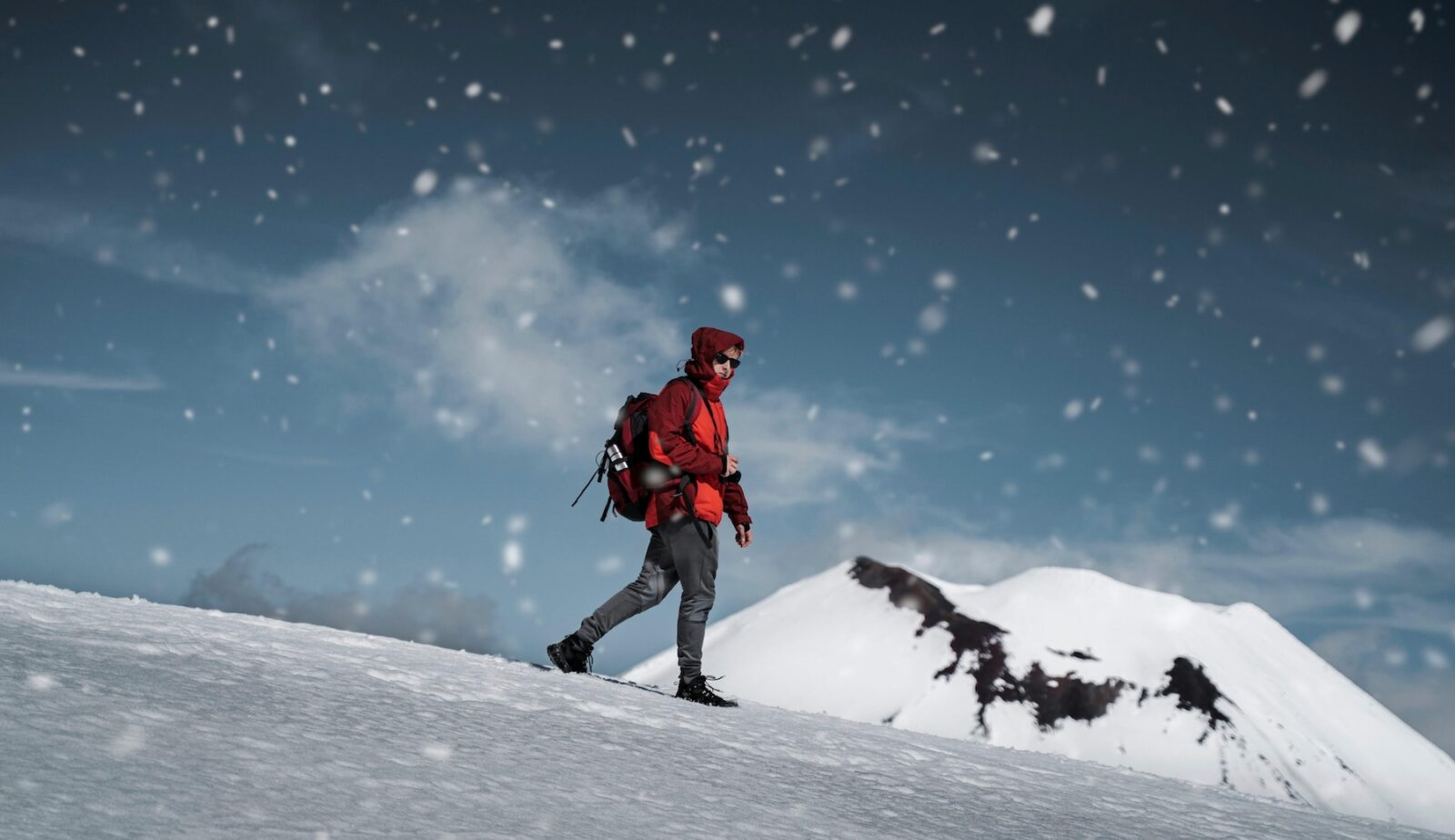
During the heart of winter, our desire for a cozy indoor retreat often transforms into a craving for outdoor adventure. A revitalizing hike in the brisk winter air serves as a perfect remedy to the confines of indoor living.
The winter landscape presents a stark yet peaceful beauty, often breathtaking in its serenity. With fewer hikers around, wildlife sightings become more frequent. Experts emphasize the importance of embracing the changing seasons and our connection to the Earth. However, hiking in cold, rugged conditions significantly differs from its warmer counterpart and demands careful attention to health and safety.
Winter Hiking: Prioritize Safety
Navigating the challenges of winter hiking, with its demanding environmental conditions, necessitates a unique approach compared to summer hiking. It offers an opportunity to immerse ourselves in the natural world, a nod to our ancestral roots.
Hiking safely is paramount, especially when the group includes individuals of varying ages and abilities, such as older family members or young children. Equipping everyone with appropriate gear and cultivating the right mindset are key to ensuring a safe and enjoyable experience for all.
Planning and Preparing for Winter Hikes
Thorough preparation is crucial, particularly when hiking with people of diverse fitness levels. It’s important to plan your route thoughtfully and not leave it to chance.
Those at the extremes of age – the very young or very old – are more susceptible to the cold. Winter hiking can place greater demands on the body. Experts note that winter conditions can be more strenuous on the heart. Ensuring that the hike is suitable for everyone’s physical abilities is essential to keep the activity enjoyable rather than punishing.
Before Your Hike:
- Be aware of the distance, elevation, and remoteness of your hike, and keep an eye on the weather forecast, including wind chill and speed. Weather can change rapidly at higher altitudes.
- Check if emergency cell coverage is available on your route.
- Inform someone not participating in the hike about your plans, including your expected route and return time. Register at trailheads so park officials are aware of your presence in case of emergencies.
What to Wear for Winter Hikes
Preparing for extreme cold, wind, snow, and rain is crucial to prevent frostbite or hypothermia.
- Dress in layers, with a moisture-wicking base layer, insulating middle layers, and a wind and waterproof outer layer. “There’s no bad weather, only inappropriate clothing,” experts advise. Pack extra thermal layers in a day pack or rucksack.
- Protect your head, hands, and feet with a wool hat, thick gloves or mittens, and two pairs of socks. Choose waterproof boots with a robust, grippy sole.
- Apply sunscreen, as winter sunburns can occur, particularly when sunlight reflects off snow.
Carrying Essential Items for Safety
- Bring extra food and water. Cold-weather hiking burns more calories, and staying hydrated is vital.
- Include a first aid kit with bandages and heat-reflecting blankets, especially to assist in cases of hypothermia.
- Carry a light source such as a flashlight or headlamp, especially when hiking close to dusk.
- Equip yourself with a phone, map, compass, or GPS device, and don’t solely depend on your phone for navigation. Ensure you have the skills and technology for both on- and off-trail navigation and communication, especially in larger, diverse groups.