
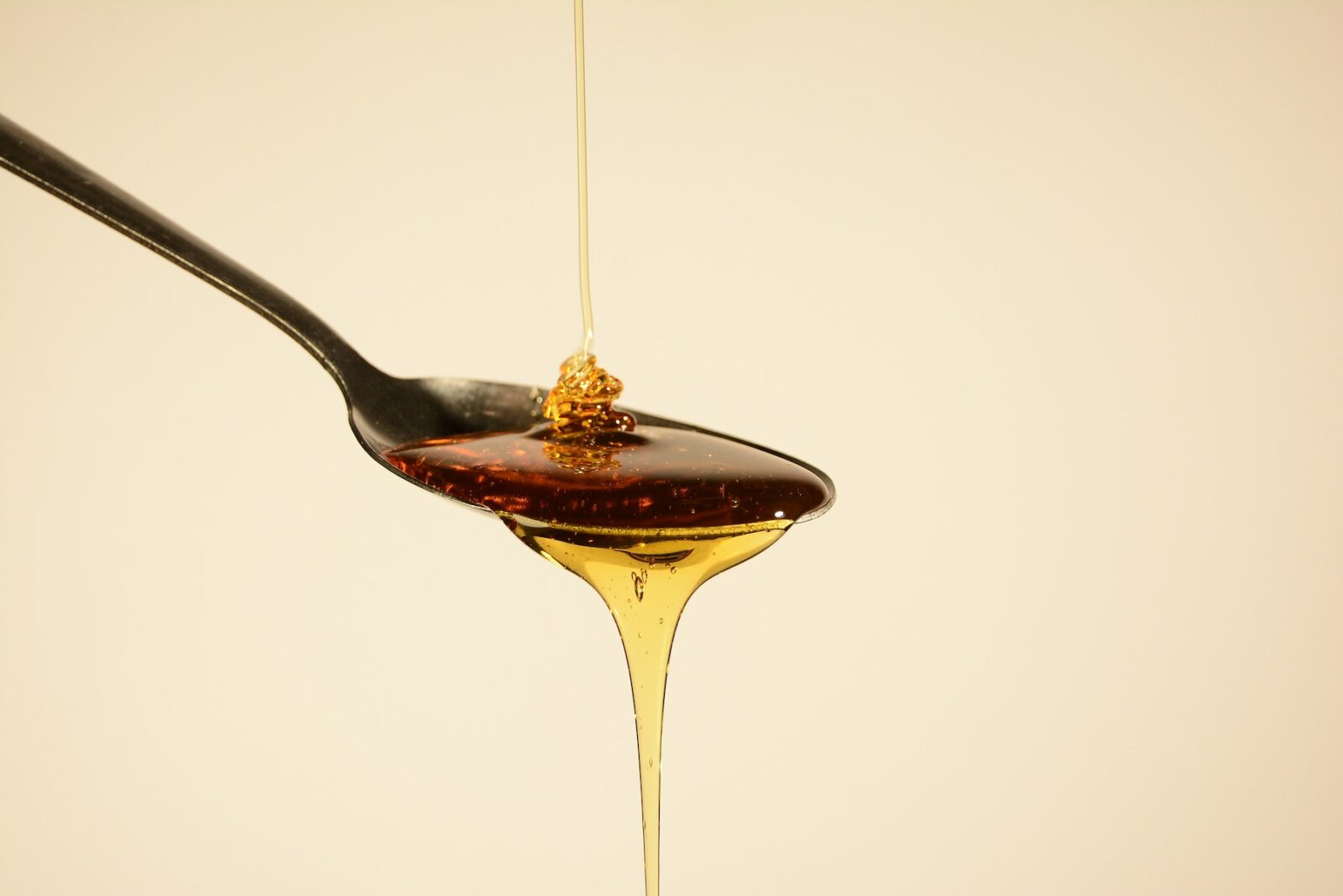
In an effort to address concerns about antibiotic resistance caused by overprescription, health authorities in England are proposing new guidelines that advocate for the use of honey as the primary treatment for coughs. Despite antibiotics being ineffective against viral infections, they are still commonly prescribed for colds and coughs in the UK.
To achieve the goal of reducing inappropriate antibiotic use by 50% by 2021, the UK Department of Health and Social Care has suggested guidelines that promote the use of honey as the initial treatment for coughs. Antibiotics have limited effectiveness in improving symptoms of colds, flu, coughs, and sore throats because they are designed to combat bacterial infections, whereas viral infections generally resolve on their own within one to two weeks.
Honey possesses well-known antibacterial, anti-inflammatory, and antioxidant properties, making it a viable alternative to prescription medications for treating coughs. Try Manuka honey, which has a long history of use in treating bacterial infections and wounds, and can be a beneficial natural remedy for overall health.
Given the increasing concern about antibiotic resistance, it is not surprising that the UK Department of Health and Social Care is proposing guidelines that promote the use of honey and over-the-counter remedies as the first line of treatment for coughs.
Antibiotics have limited effectiveness in improving symptoms of colds, flu, and coughs because they are not designed to combat viral infections. Viral infections typically run their course within one to two weeks.
The new recommendations aim to support doctors in their efforts to reduce antibiotic prescriptions. With antibiotic resistance rates rising dramatically and causing at least 700,000 deaths worldwide each year, such public health measures make sense if they are properly enforced and both doctors and patients embrace the new guidelines.
Honey is an excellent alternative to pharmaceutical drugs and over-the-counter medications. However, it is important to choose the right type of honey. I recommend using only raw organic honey for both medicinal and culinary purposes. For even better results, consider using Manuka honey, which has a long history of use in treating bacterial infections and reducing inflammation.
UK officials advise against prescribing antibiotics for coughs. As a proactive measure in the fight against antibiotic resistance, the UK’s National Institute for Health and Care Excellence (NICE) and Public Health England (PHE) suggest that honey and over-the-counter medications should be the primary treatment for coughs. Antibiotics should rarely be prescribed for coughs, as they
have limited impact on symptom improvement. The PHE, emphasizes the urgency of reducing antibiotic use to combat antibiotic resistance. The new guidelines aim to assist general practitioners (GPs) in reducing antibiotic prescriptions, and patients are encouraged to follow their GP’s advice regarding self-care.
Doctors pointed to alarming facts about antibiotic resistance at the 2018 NICE annual conference, including the potential for 10 million deaths and an $86 trillion cost if the global problem is not addressed. In England, one in three hospitalized patients is on antibiotics at any given time, and one in three individuals living in England takes at least one course of antibiotics annually. General practitioners prescribe 74% of the antibiotics distributed in England, while hospitals account for 20%, dental procedures for 5%, and other applications for 3%.
Antibiotic overprescription is not limited to the UK; it is a global issue. A 2014 study published in BMJ Open found high rates of antibiotic administration for respiratory tract infections by general practitioners in the UK. This excessive use contributes to antibiotic resistance. Similar concerns exist in the United States, where one-third of antibiotic prescriptions are unnecessary. The World Health Organization warns that antibiotic resistance poses a significant threat to global health, food security, and development.
The impact of antibiotic resistance is significant, with rates of drug-resistant infectious diseases rising rapidly. Approximately 2 million Americans are diagnosed with drug-resistant infections each year, resulting in 23,000 deaths. In Europe, drug-resistant infections cause 25,000 deaths annually. Globally, at least 700,000 people die each year due to drug resistance associated with various illnesses. However, these numbers may underestimate the true extent of the problem due to a lack of global reporting and tracking in certain areas.
Although you cannot directly control drug resistance in faraway locations, you can take responsibility for your personal use of prescription antibiotics and the presence of antibiotics in your food. A study reveals a 39% increase in antibiotic consumption from 2000 to 2015, with the most significant rise occurring in low- and middle-income countries. The decline in antibiotic development exacerbates the problem, as pharmaceutical companies focus on more profitable drugs.
Viral illnesses such as colds do not require antibiotics. Public Health England reports that up to 20% of antibiotic prescriptions are unnecessary since most illnesses can resolve on their own without medication. The Centers for Disease Control and Prevention in the United States also highlights the problem of inappropriate antibiotic use for viral infections like the common cold or flu. In fact, up to 50% of antibiotic prescriptions are not optimally prescribed, leading to incorrect dosing and duration.
In light of the limited effectiveness of antibiotics against viral infections, health officials recommend using honey as a remedy. Honey has a long history of medicinal use and offers various health benefits, including antioxidant, antimicrobial, anti-inflammatory, antiproliferative, anticancer, and antimetastatic effects. It has been utilized in the treatment of wounds, diabetes, cancer, asthma, cardiovascular, neurological, and gastrointestinal diseases.
Considering the promising health benefits of honey, it is a viable option for treating viral infections that antibiotics cannot address. It is advisable to try honey as the initial treatment for colds, flu, and accompanying symptoms like coughs and sore throats.
Be careful when purchasing honey from local markets unless you are aware of the source and processing methods. Commercially sold honey is often subjected to ultrafiltration and may be adulterated with substances like corn syrup, dextrose, glucose, or sugar syrup, which are used to create counterfeit honey.
Raw organic honey is distinct as it is extracted directly from beehive combs and packaged without any added sugars or ingredients. If you want to fully benefit from the antibacterial and anti-inflammatory properties of raw organic honey, I highly recommend opting for Manuka honey.
Manuka honey, originating from New Zealand, is pricier but offers significant health advantages, making it worth the additional cost. It is named after the Manuka bush, from which bees gather the nectar and pollen to produce this monofloral honey.
Manuka honey sets itself apart from other varieties due to its Unique Manuka Factor (UMF), which measures the honey’s antibacterial strength on a scale ranging from 5 to 26. The UMF score is determined based on the levels of three compounds present in Manuka honey: docosahexaenoic acid (DHA), leptosperin, and methylglyoxal. The higher the UMF number, the greater the honey’s antibacterial properties. This explains why Manuka honey has been utilized in the treatment of bed sores, burns, cuts, and wounds.
Manuka honey with a UMF content of 12 or higher is considered medical grade and can be applied to bandages for the treatment of burns and wounds.
Considering the strong endorsement from public health officials, it might be time to consider raw organic honey as the first choice for alleviating coughs and other symptoms of colds and flu. If you’re interested in a do-it-yourself honey-based cough syrup, you can try the recipe below from the National Honey Board:
DIY honey cough syrup
Ingredients:
- Zest of 2 lemons (approximately 1 1/2 tablespoons)
- 1/4 cup ginger, peeled and sliced (or 1/2 teaspoon ground ginger)
- 1 cup water
- 1 cup raw organic or Manuka honey
- 1/2 cup lemon juice
Directions:
- In a small saucepan, combine the lemon zest, sliced ginger, and 1 cup of water. Bring the mixture to a boil and let it simmer for five minutes. Then, strain the mixture into a heatproof measuring cup.
- Rinse out the saucepan and pour in 1 cup of honey. Warm the honey on low heat, avoiding boiling. Add the strained lemon ginger water and the lemon juice. Stir the mixture until it forms a thick syrup.
- Pour the syrup into a clean jar with a lid. It can be refrigerated for up to two months.