
Salt gets a bad rap these days. We hear that it is connected to conditions like high blood pressure, and we are admonished to limit our intake of sodium.
But is a low-salt diet really appropriate? Our ancestors consumed far higher amounts of sodium than we do today. What do medicine and science say today other than linking salt to hypertension?
Is salt unhealthy?
Salt played a crucial role in food preparation and preservation for many millennia. Yet, salt has been vilified and deemed unhealthy with its links to hypertension and heart disease.
The idea that a low-salt diet is healthier began around 200 years ago and was based on flawed science. Doctors knew then that our bodies needed salt to maintain blood pressure balance. They believed that too much salt contributed to high blood pressure and heart disease, which led the government to launch campaigns to convince people to curb their salt intake.
However, research is finding that this fundamental theory may be murky. A meta-analysis of over 6,250 patients found there was no actual link between salt intake, high blood pressure, and risk of heart disease. Like many of our dietary recommendations, our beliefs surrounding salt need to be challenged.
Salt deficiency and salt restriction
A lack of salt can cause significant health problems. These are a few signs of salt deficiency from salt restriction:
- Higher risk of heart attack
- Headaches
- Weakness
- Reduced hydration, especially in athletes
- Muscle cramps
- Cognitive decline in elderly
- Irritability
Your body needs salt
Our beliefs surrounded the notion that our bodies don’t regulate salt levels well. For example, doctors believed that if you ate more salt, you’d become thirsty and drink more water, which would cause you to dilute the sodium levels in your body.
However, studies are finding that salt has many benefits in the body, including increasing body water conservation and making you less thirsty – the opposite of conventional wisdom. This means that your body can prioritize its salt levels, which has been shown to help manage metabolism in a positive way.
Which salt is the healthiest?
There are four common types of salt:
- Sea salt
- Table salt
- Himalayan pink rock salt
- Celtic grey sea salt
Table salt is different than natural salt. Table salt is primarily sodium chloride and is heavily processed. Natural salts come in their complete, whole forms like sea salt and pink Himalayan rock salt.
Choose a natural salt, and try to avoid the processed table salt variety.
Natural sea salts contain a small amount of natural iodine, although not nearly as much as iodized table salt. It is typically much less refined than table salt and comes in both fine and coarse varieties. Sea salts contain many more beneficial minerals and taste better to most people.
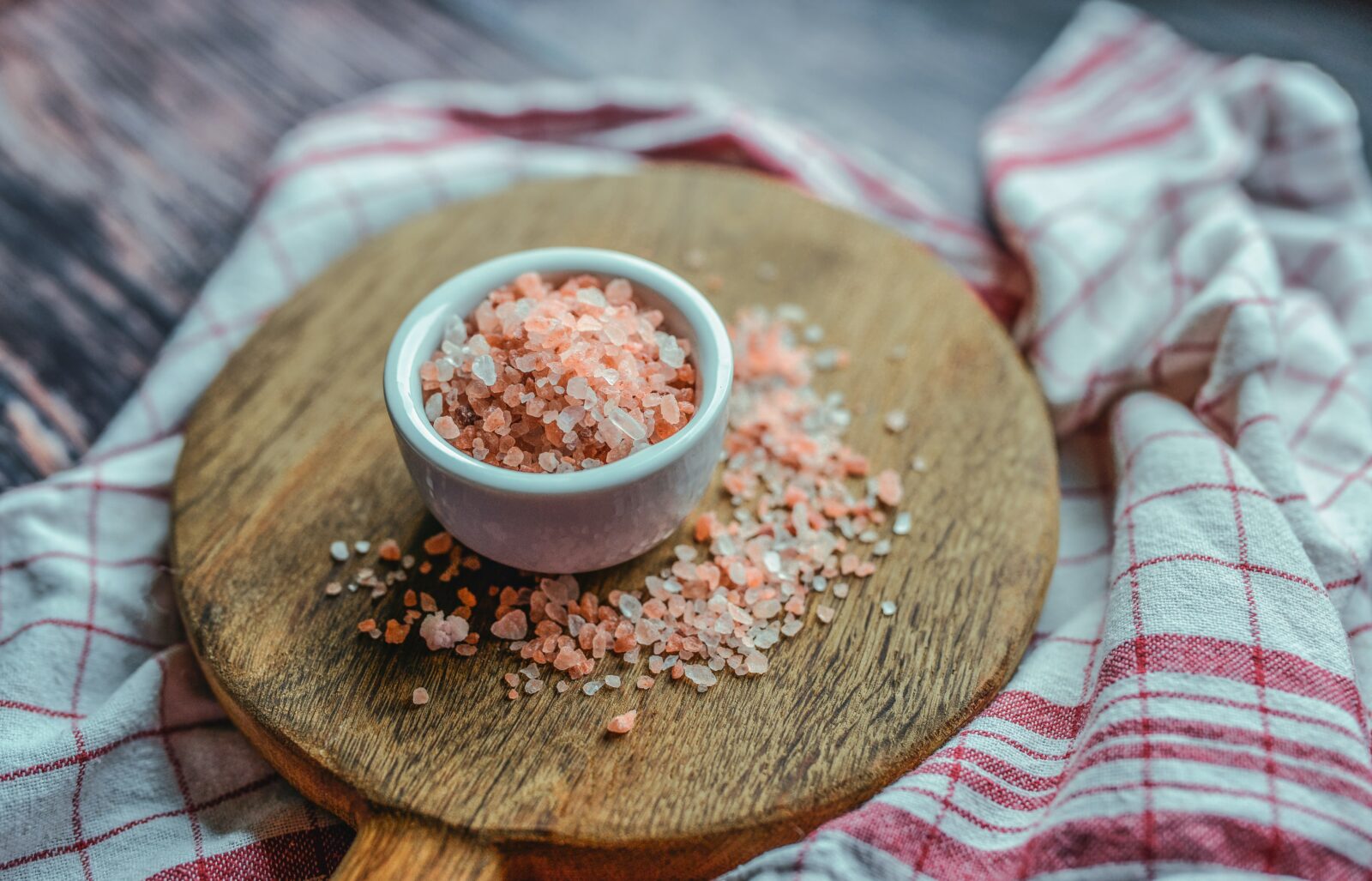
Pink Himalayan rock salt is rich in minerals, containing all 84 essential trace elements required by your body. Pink salt can assist in many bodily functions, such as reducing muscle cramps, promoting blood sugar health and promoting healthy pH in your cells.
Celtic sea salt is unrefined, unprocessed, and sourced from clean coastal waters along the Guérande Region of Brittany, France. Containing unprocessed and naturally forming minerals, this grey sea salt is harvested by traditional Celtic methods using a paludier, a craftsman salt harvester.
What constitutes good quality salt?
A good quality salt will have all of its additional elements present. Varieties like Himalayan salt or Celtic Sea Salt maintain all other ingredients to salt that pack health benefits you simply don’t get from table salt. Celtic Sea Salt contains a higher mineral content than Himalayan and even contains trace amounts of iodine, naturally.
Five health benefits of salt
1. Balances electrolytes and prevents muscle cramping
Sea salt is an excellent source of electrolytes, which has been shown to prevent muscle cramping during exercise. Sea salt contains sodium, magnesium, potassium, and calcium, all of which you need for optimal health. These minerals must come from your diet because your body can’t create them. Without sufficient electrolytes, you can experience irregular heartbeat, fatigue, nausea, and even seizures.
2. Promotes good vascular health
When it comes to sea salt specifically, it actually has protective effects against heart disease. Again, it’s important to differentiate between sea salt and table salt, which is much less beneficial due to its nonexistent mineral profile. The findings on how sea salt helps heart disease markers directly contradict the years of recommendations against salt in diets – it’s just important which type of salt you’re using.
3. Helps you stay hydrated
To stay better hydrated your body needs a delicate balance of sodium and potassium. This is because water in your body follows sodium, so if you have too much your body will retain water. Potassium works to balance this out, which is why sea salt is much better than sodium chloride or table salt. Sea salt like Celtic or pink Himalayan contains both sodium and potassium, which helps balance your levels naturally.
4. Improves sleep
When you read about salt and sleep, it initially appears there are mixed reports. But if you pay close attention, you’ll realize that the advice against eating salt before bed is referring to table salt and processed foods, which can cause an unbalanced amount of sodium in the body. Sea salt is thought to improve sleep because it contains so many helpful electrolytes for regulating hormones.
When you swap your table salt for a natural salt you might find you have better sleep, are less thirsty, hungry, and more satisfied when you eat. It’s also important to make sure you get enough salt anytime you exercise because your body is sweating it out. Anyone who participates in high-intensity sports or competitions, they make salt tablets for better rehydration.
5. Supports a healthy nervous system
Sodium regulates water flow throughout your body, which is critical for a healthy nervous system. Additionally, the water of your nervous system requires salt for electrical conduction to send and receive nervous system signals. Just as with other functions of the body, your brain needs the right balance of sodium to other electrolytes, which is why sea salt is a much better option than table salt.
Final thoughts
Our bodies need salt to function properly. Eliminating salt completely from your diet would be unhealthy. As with most items, moderation is the key. Switch from table salt to natural salt for the best mineral content and taste. If you are being treated for hypertension or heart disease, talk to your doctor. You may find that you can add a little extra flavor to your diet.