
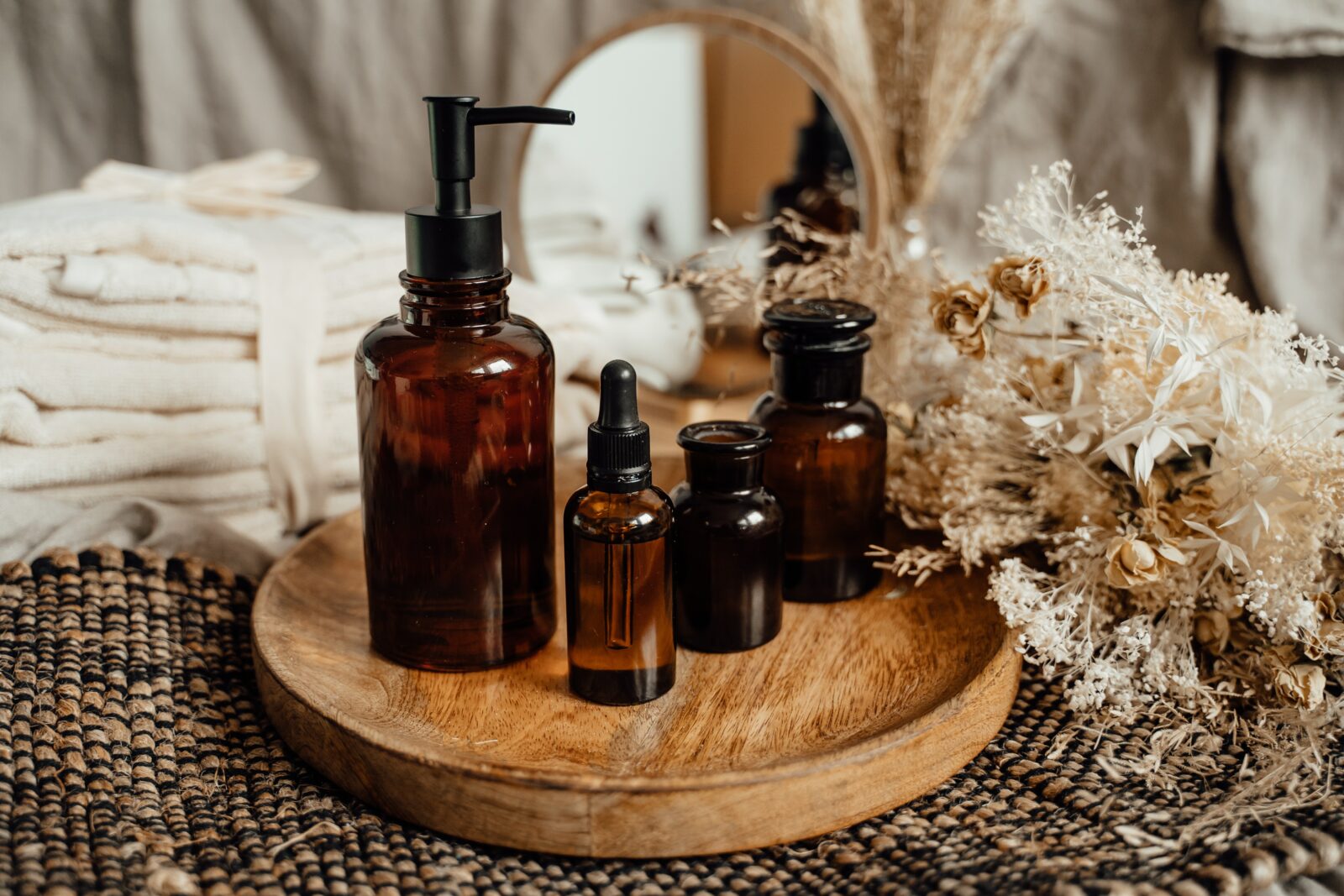
Do you stop to read the label on your cosmetics and beauty products? You should because many contain harmful, toxic chemicals. When you use them on your skin, they can be absorbed into your body. Let’s take a look at 10 chemicals found in beauty products that you should avoid as much as possible. Let’s also look at some alternatives.
Our skin is our largest organ
Your skin is your body’s largest organ that is key in helping the body detoxify. Toxins also seep into our bodies through our skin. The lotions, soap, makeup, and lipstick that we apply have chemicals that seep into our bloodstream.
Each time you wash your hands with soap, shampoo your hair, or use makeup, your skin absorbs the personal care product easily. Scientists believe that your skin absorbs as much as 60% of everything applied to it. Those substances go directly into your bloodstream. The pharmaceutical companies know this, which is why nicotine suppression medications and hormone replacement therapy are delivered through transdermal patches.
Long-term effects
Your body has the ability to detoxify itself. However, our immune systems may be overloaded with toxins from our modern environment. The fat-soluble chemicals are stored in our fatty tissues and can take months to years to be eliminated. This can have a negative impact on your health.
However, toxins built up gradually making it difficult to directly link cause to effect. In our efforts to improve our health and well-being, we need to address the causes such as chemicals in our beauty products and cosmetics to stave off those negative effects like reproductive complications or cancer.
Top 10 chemicals to avoid in beauty products
The list of chemicals and toxins to avoid is really longer than 10. However, these are the top 10 to avoid especially since they are so common in our personal care products and cosmetics.
Sodium lauryl sulfate
This chemical is a foaming agent detergent, which is in most household soaps, shampoos, toothpaste, and many beauty products. Sodium Lauryl Sulfate is known for being an irritant to the eye and skin. It may also form a carcinogen when combined with other toxic chemicals.
Artificial colors in beauty products
Harmful chemicals that are used to synthesize artificial colors may have FD&C or D&C on their labels, followed by a number. They are made from petroleum or coal tar sources. The ingredients used to create artificial colors are considered to be toxic and carcinogenic, and they may even contribute to ADHD.
Chemicals in sunscreen
Some sunscreens may cause more harm than good. Avoid sunscreens with oxybenzone, which is linked to hormone disruption and potential cell damage that may lead to skin cancer. According to the Environmental Working Group, oxybenzone is in 56% of all sunscreens. In addition, look out for sunscreens containing benzophenone, PABA, avobenzone, homosalate, and methoxycinnamate. These chemicals are believed to cause damage on a cellular level once they are absorbed through the skin and enter into the bloodstream.
In addition to containing toxic chemicals, many sunscreens prevent the good sun rays from penetrating through the skin in order to allow the production of vitamin D, which is vital to our health.
Phthalates
Phthalates are a group of chemicals used in hundreds of products, which promote the elasticity and softness of plastics. Common phthalates include dibutyl phthalate (DBP), dimethyl phthalate (DMP), and diethyl phthalate (DEP). They are found in nail polish, perfumes, lotions, hair sprays, and other various perfumed cosmetics. Also, these same chemicals used in many cosmetic products are also found in, plastic wrap, wood furnishing, lubricants, insecticides, and detergents.
Phthalates are causing the males in many species to become feminized. Phthalates also promote the early onset of puberty, fertility issues, and even possible birth defects.
Triclosan
This chemical is commonly found in antibacterial soaps, toothpaste, and deodorants. Its purpose is to limit the growth of bacteria in the products. This chemical is classified as a pesticide. It contributes to heart disease and failure, and it can negatively affect hormones. Triclosan can affect the body’s hormone systems—especially thyroid hormones, which regulate metabolism—and may disrupt normal breast development. Widespread use of triclosan may also contribute to bacterial resistance to antimicrobial agents.
Parabens
Parabens are used as preservatives in many cosmetic products, including lotions, shaving products, cosmetics, and skincare products. Studies indicate that parabens can increase the risk for cancer—particularly breast cancer. Parabens are absorbed through the skin and have been identified in biopsy samples from breast tumors. This chemical also has a negative impact on reproductive functions in the body.
Lead in beauty products
A study done by Campaign for Safe Cosmetics, which looked at both luxury and inexpensive cosmetic brands, concluded that 61% of lipsticks contain lead. Lead is also sometimes found in other beauty products and cosmetics, such as foundation, nail polishes, sunscreens, and whitening toothpaste.
Lead is proven to be a toxin to the brain and can negatively one’s behavior. It may also be attributed to miscarriages and in infertility and reproductive functions.
Formaldehyde in beauty products
Formaldehyde and formaldehyde-releasing preservatives (FRP’s) are commonly used in many cosmetics in order to prevent bacteria growth. Chemicals you avoid include DMDM hydantoin, Diazolidinyl urea, methenamine, and quarternuim-15. These types of chemicals can be found in various cosmetics, including eye shadow, nail polish, shower gels, shampoos, and conditioners.
They slowly release formaldehyde, which the International Agency for Research on Carcinogens (IARC) has deemed a human carcinogen. Formaldehyde is also thought to be harmful to the immune system, and it promotes skin allergies.
Propylene glycol (PEG)
This chemical is made from petroleum. Propylene glycol is commonly found in lip glosses, lipsticks, and various creams and moisturizers. Here are some of its possible effects:
- May cause respiratory and throat irritation, central nervous system depression, blood and kidney disorders
- May cause nystagmus, lymphocytosis
- Skin irritation and dermatitis, conjunctivitis
- If ingested may cause: pulmonary edema, brain damage, hypoglycemia, intravascular hemolysis
Perfume, colognes, and fragrances
Fragrances can be formulated out of many of the chemicals listed in this article, in addition to others. Synthetic fragrances can be found in many products, including shampoo, conditioner, body wash, perfumes, and even in baby washes.
Some fragrances can interfere with the immune system, and they may serve as allergens or even neurotoxins. One study done by the Environmental Working Group (EWG) Skin Deep Database concluded that fragrances have been linked to reproductive issues, respiratory problems, dermatitis, and allergies.
Fluoride
Although not in the top 10 list above, fluoride is a waste product of the phosphate fertilizer industry. It is a known carcinogen, endocrine disrupter, and neurotoxin. The most current research does not support the belief that it reduces the risk of cavities.
Regulatory standards on personal care products
How is it that the personal care products industry can use these harmful chemicals? It is under-regulated, unlike the pharmaceutical and nutritional industries. Plus, Americans tend to trust that what is marketed in our retail stores is safe. We assume that our government regulates the personal care products industry as well as household cleaning products.
These statistics are enlightening and concerning:
More than a thousand cosmetic ingredients known to cause cancer, birth defects, and reproductive problems are banned for use in cosmetics in the European Union. Only eleven of these chemicals are off-limits in the United States. And…It’s estimated that 10,000 chemicals are routinely used in cosmetic products alone, but only 11 percent have been assessed for their health and safety by the FDA or other government agencies.
Practical application
How do you even begin to eliminate these ubiquitous chemicals found in our everyday products? They are in most of the cosmetic and beauty products in our bathrooms and purses. To eliminate them all at once would be time-consuming and expensive.
However, if you take it one step at a time, you can make the change rather quickly. Remember that the toxins build up in our systems gradually, so any steps you take to avoid them will pay off. You can gradually replace them with safer, healthier alternatives.
Keep in mind two key principles when choosing new health and beauty products. Generally, the fewer ingredients a product has, the better. Be sure you can read all of the ingredients and know what they are. The more edible the product is, the better as well.
Another idea to keep in mind is the fact that many companies will ‘throw around’ words, such as, “natural,” or even, “organic,” if the product contains only one organic ingredient. Such misleading labels can be confusing. So now that you are becoming informed, be sure to read the ingredients.
Final thoughts
If you are the creative type, you can always explore homemade recipes for face washes, moisturizers, shampoos, conditioners, and lip gloss. A quick internet search will yield hundreds of ideas. You will find many helpful recipes and tips for creating less expensive and healthy alternatives to synthetic and toxic products I bought in the past.
Thankfully, being healthy is becoming trendy, so there are many websites that can also guide you through choices. Again, the key is to take this one step at a time if you cannot afford to change out all of your products at one time.
Lastly, remember that true beauty comes from within. Keep your health optimal to enjoy the best beauty secrets.