
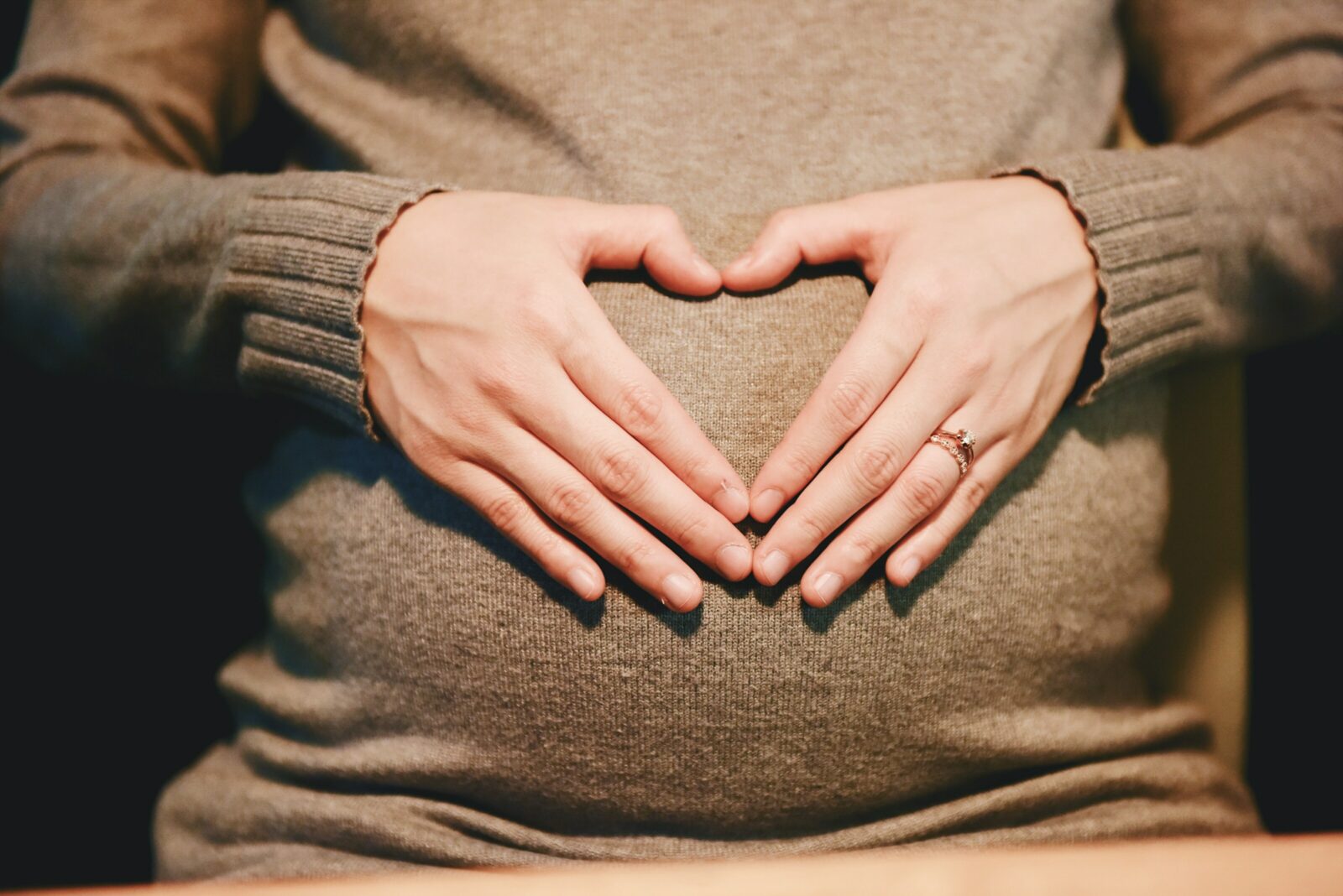
If you are facing a fertility problem, you may be feeling stressed and anxious. In fact, you most likely are feeling those strong emotions.
Whether you are continuing to try to conceive naturally or have dived into fertility treatments, the first place to start is your diet. The foods you eat can impact your overall fertility in ways you may not imagine.
Even if you are not planning to conceive within the next year, following an optimal fertility diet will improve your chances of getting pregnant and improve your overall well-being for both you and your baby during pregnancy.
Fertility is complex, and each woman has individual needs. Still, you can fill your diet with foods and nutrients to help nourish your uterus and ovaries, balance your hormones, and reduce inflammation. These factors impact fertility, conception, and prenatal health.
While fertility is complex, and every woman has her own journey, there is hope, and there are foods and nutrients you can use to nourish your ovaries and uterus, support immunity, reduce inflammation, and rebalance your hormones – all factors that can impact fertility, conception, and prenatal health. Changing your diet is one area that you can easily be proactive.
Diet and nutrition impacts fertility
We have a treasure trove of data that shows what we consume can have a significant impact on getting pregnant (and having a healthy gestation period). There are many factors that can cause difficulties with fertility, such as endometriosis, PCOS, anovulatory infertility, and more. Still, eating an appropriate diet can have a tremendously positive impact on many root causes of fertility difficulties.
Take a look at some examples of the available research:
Researchers from the Harvard School of Public Health monitored the fat consumption of 147 women undergoing IVF treatment and discovered that those who ate the highest amounts of monounsaturated fat were 3.4 times more likely to have a child after IVF. They concluded that avocados contain the best kind of monounsaturated fat while saturated fat was found to decrease the number of “good eggs.” Further, increased red meat consumption, greater than once weekly, is associated with a longer time to conception.
In a major study 39% of 5,598 first-time mothers in Australia, New Zealand, and the United Kingdom, found that those who generally avoided fast food in their diets conceived within one month of when they began having unprotected sex, while women who included fast foods in their diets four times per week, had double the likelihood of still not having conceived at 12 months, compared to the no fast food eaters.
Nutrition matters:
- Low Vitamin E levels are connected with an increased risk of anovulation.
- Low Vitamin B6 has been found in women with miscarriage and prenatal nausea and vomiting.
- Vitamin D plays a role in helping women conceive after IVF.
- Low ascorbic acid (vitamin C) is associated with reduced ovarian function and progesterone levels, consistent with a study that found that when women were supplemented with ascorbic acid, their progesterone levels rose, their luteal phases lengthened, and their pregnancy rates increased.
- Women with low B12 or low folate have an increased risk of recurrent miscarriage, as do women with hypothyroidism and PCOS, all of which are influenced by nutritional status.
- High homocysteine blood levels are associated with low folate/folic acid levels, low luteal phase progesterone, and a 33% increase in the likelihood of anovulation, while higher levels of folate are associated with higher progesterone levels.
- Low selenium is associated with an increased risk of miscarriage, possibly due to its importance for healthy thyroid function.
Most major studies have shown that a majority of women in the US (and other countries) are chronically low in many of these nutrients including:
- Protein
- Vitamin E
- Vitamin D
- Folate/Folic acid
- B6
- EFAs
- Iron
- Iodine
- Calcium
- Zinc
- Magnesium
How does changing your diet work improve fertility?
What you consume influences your ovulation egg quality, menstrual cycle regularity, your immune system, your uterine lining, and your gut and vaginal microbiome. All of these influence fertility. The best foods for fertility provide the information your cells and endocrine system need to support conception and pregnancy and provide the essential building blocks of your hormones, while helping to correct hormone imbalances, including insulin resistance. Insulin resistance is a cause of inflammation, PCOS, ovarian dysfunction, and fertility difficulties.
What is an optimal fertility diet?
The Optimal Fertility Diet is based on the principles of the healthiest traditional diet in the world, the Mediterranean style of eating – and includes all of the components that health experts agree on:
- Plenty of vegetables and fruits – up to 8 servings daily
- Good quality protein especially fish eggs, and vegan sources like legumes
- Whole fresh foods
- Healthy oils and fats especially olive oil and avocados
- Nuts, and ample seeds
- Complex carbs in moderation
Let’s break that down into specifics for your diet:
Eat a plant-based diet and keep red meat consumption to a minimum
Harvard scientists, in the largest ongoing study of women’s health and their diets, found that increasing the intake of animal protein, even by as little as one serving a day, resulted in a 32% higher likelihood of ovulatory infertility. while, women who consumed less animal protein, and instead ate even slightly more plant-based protein (beans, legumes, nuts, seeds) had a 50% decrease in ovulatory infertility. Swapping even just 1 serving of animal protein for a serving of whole-grain also reduced ovulatory infertility – this time by 43%.
Consume fatty fish
From PCOS to endometriosis, ovulatory infertility to period problems, fatty fish improves gynecologic health and fertility. Just keep it to low mercury forms, and no more than 12 oz. weekly of recommended varieties.
Eat eggs
Eggs provide choline, essential for baby’s brain development, and eggs are an especially rich source. They’re also an excellent source of blood-sugar balancing protein and energy. Is eating two eggs daily too much? Absolutely not – there’s no connection between eggs and heart disease. But even if you do eat two eggs a day, supplementing choline is important; and if you don’t eat eggs, it’s essential. I discuss this more under supplements.
Whole organic foods
As a quick reminder, fast food consumption is related to lower fertility; in one large, study 39% of women who generally avoided fast food conceived within one month of starting to have unprotected sex, while women who included fast foods regularly in their diets had double the likelihood of still not having conceived at 12 months.
Switch to healthy fats
Did you know that just 2% of your total daily calories in trans-fats increases infertility risk by as much as 70%? That’s what researchers from the Harvard School of Public Health found in one of the largest prenatal nutrition studies to date. That’s the equivalent of just one small donut or a medium serving of fast-food fries. Healthy fats, on the other hand, improve insulin sensitivity, reduce inflammation, and support healthy cycles and fertility. These same researchers found that amongst women undergoing IVF treatment, those who ate the highest amounts of monounsaturated fats (found in olive oil, avocados, nuts and seeds) were 3.4 times more likely to have a child after IVF, compared to women who ate more saturated fats. They further concluded that avocados contain the best kind of monounsaturated fat for fertility – a great regular addition to your diet if you enjoy them.
Eliminate gluten for an optimal fertility diet
Celiac disease and possibly even non-celiac gluten intolerance, can affect fertility, increase miscarriage risk, and is associated with additional pregnancy complications; it also plays a role in endometriosis, leaky gut, and Hashimoto’s, all of which can impact fertility and pregnancy. So go gluten-free – not only until you conceive – but at least until you’re a year postpartum, because gluten can also affect your thyroid postpartum, and this can contribute to challenges with milk production and also contribute to postpartum anxiety or depression.
Use full fat dairy
Studies by Chavarro et al. initially showed that women who ate full-fat dairy regularly (vs. low-fat) had a greater likelihood of conception. The authors suggested that it’s not the dairy itself, but getting both adequate fat and calcium in the diet that gave fertility a boost. Dairy in small amounts is part of a traditional Mediterranean diet. However, seek out dairy made from cows not given growth hormones as those can impact your own hormones. You can supplement your calcium intake with sources like tahini, lentils, and garbanzo beans, leafy greens, sardines, and other healthful vegan sources, with only occasional full fat organic dairy, no more than a couple of times/week.
Blood sugar and insulin sensitivity
Blood sugar balance and insulin sensitivity are essential to healthy ovulatory function and fertility. Women with a diet high in processed, refined foods, have nearly twice the risk of ovulatory infertility as women with low glycemic loads.
A balance diet that improves blood sugar protects and enhances fertility, reverses the insulin resistance linked to PCOS, reduces inflammation, and has many other benefits that support healthy fertility. A diet with adequate good quality protein helps protect against insulin resistance. To eat for better blood sugar balance, follow these steps:
- Don’t skip meals
- At each meal, make sure you include a good quality protein source (legumes, beans, nuts/seeds, fish, poultry, less than once/week red meat is okay) + a good quality fat (avocado, olive oil, ghee) + a small amount of grain + your veggie serving. Even if you’re having something like oatmeal or another grain, add a protein + healthy fat.
- Avoid sugary foods and empty carbohydrates like cookies, cake, and white flour pastries that jack up your blood sugar after which it will drop, causing a blood sugar roller-coaster.
- Drink more water
- Drinking enough water can improve your quality and quantity of cervical mucus, reduce inflammation, is important for cellular health, and also prevents depression, and fatigue, and keeps your brain sharper. Aim for 6-8 cups per day of water.
Final thoughts
While studies have shown that a small occasional glass of wine or cup of coffee do not interfere with fertility. Still, it’s better to replace those calories with foods and nutrition that will actually help your health. Err on the safe side and avoid alcohol and caffeine while trying to get pregnant. Soft drinks have been shown to interfere with ovulatory fertility.
Switching your diet can have a huge impact on your overall health and well-being. And, when your health is better, your chances of conceiving are better as well.