
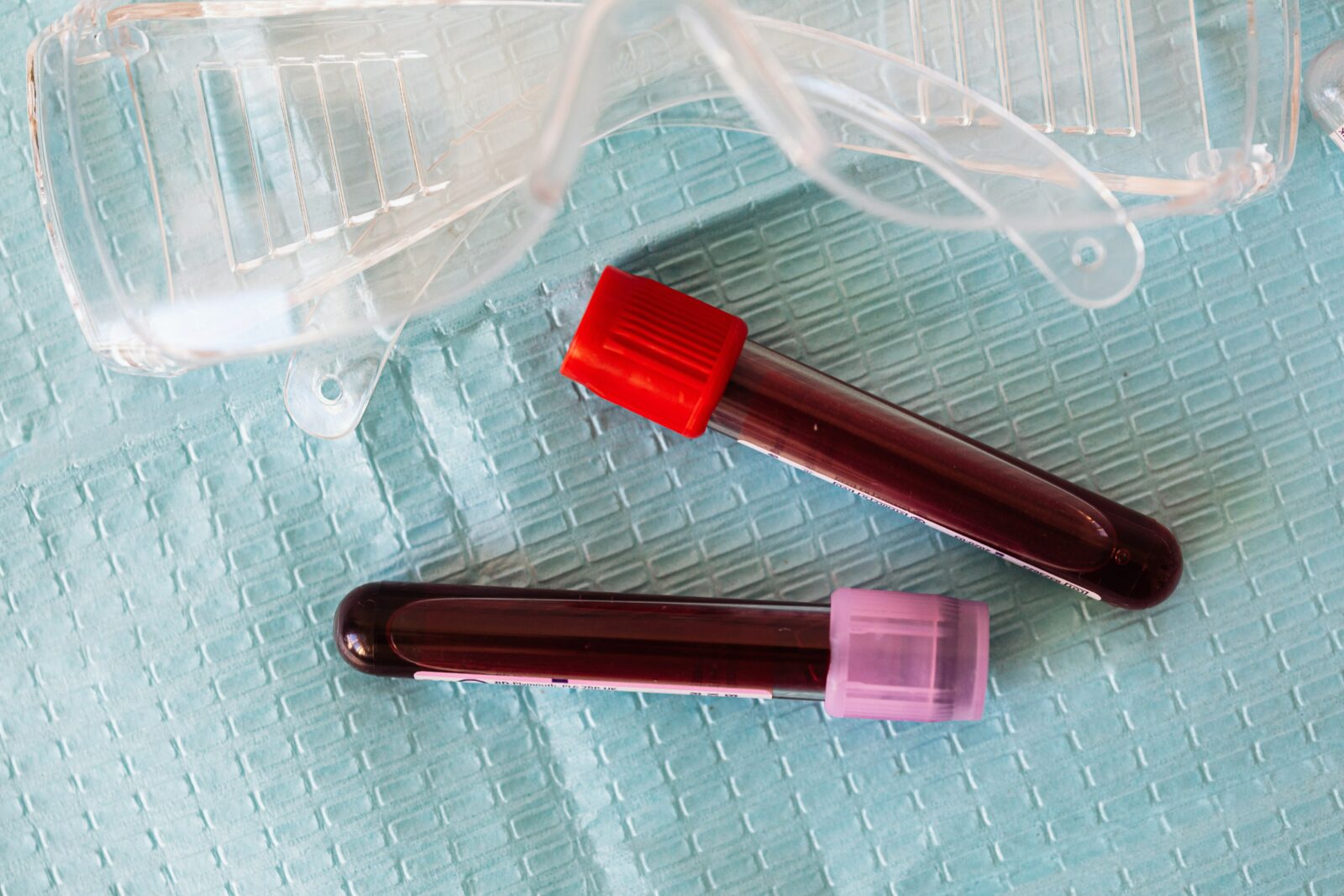
You may have heard about high homocysteine levels, or perhaps your doctor has determined that yours are high. What does this mean? Let’s take a look at the impact of high homocysteine on human health. Specifically, we look at the role of the homocysteine molecule on the cardiovascular system, and what the research says about this.
The homocysteine molecule
What is homocysteine? Homocysteine is a molecule in your blood. This molecule can inform us about things like B12 and folate levels. It’s a reflection of whether or not you are deficient in these vitamins. It’s also a reflection of your overall protein intake and the inflammation occurring in your body. Protein is made up of amino acids. Two of these amino acids are methionine and cystine. Both of these are important precursors and byproducts of homocysteine. If your protein intake levels are low, you will likely have low homocysteine levels.
If you are experiencing inflammation in your body, your homocysteine converts into cysteine to make glutathione. Glutathione can help lower the overall inflammation in your body and neutralize some of that inflammation that’s occurring. However, the most common cause of high homocysteine is a deficiency in B vitamins like B12 and folate.
What happens when homocysteine levels are high?
There are definitely consequences to a deficiency in B12 and folate. Chronic vitamin deficiencies result in negative health conditions. But, let’s look specifically at what happens from the homocysteine molecule. When the homocysteine molecule is elevated, does this molecule have a negative detrimental effect on the body? To understand this, let’s look at the research to understand the relationship between high homocysteine and our health.
What constitutes high homocysteine?
Different laboratories will have different reference ranges for homocysteine. First off you want to make sure to measure your homocysteine in a fasted state, for about 10-12 hours. As far as values, some labs will cut off at 10 micromoles per liter and others will cut it off at 12 or even 15 micromoles per liter. In order to have a designation of hyper-homocystinemia, which is high homocysteine in your blood, your level has to be above 15 micromoles per liter. This is the specific diagnostic criteria for hyper-homocysteinemia.
Research on high homocysteine levels
Elevated levels of homocysteine have been associated with increased cardiovascular events like coronary artery disease, heart attack, stroke and even increased blood clots. These associations and evidence seem strongest for high homocysteine with stroke. Treating high homocysteine with vitamins that lower homocysteine can help decrease the risk for stroke and some of these other cardiovascular issues.
For instance, there’s been clear evidence of lowering homocysteine decreasing cardiovascular risk in patients with really high homocysteine levels, such as higher than 20. Still some studies don’t find a reduced risk in cardiovascular disease from treating high homocysteine levels. One meta-analysis by the American Heart Association showed lowering homocysteine levels did not significantly reduce the risk for stroke and had a non-significant impact on coronary artery disease.
The association between high homocysteine and cardiovascular risk, especially stroke is important. The common reason cited for high homocysteine levels is when you have a genetic alteration in the MTHFR enzyme. This enzyme converts folic acid enzyme into methyl folate, the active form. When there’s a genetic alteration in mthfr, your body cannot make the methyl folate. However, the methyl folate is needed in order to convert homocysteine into something else called methionine. In other words, when you have this gene alteration, taking all the folic acid in the world will not help lower your homocysteine. In fact, there’s some suggestion that it may make it worse.
Despite this, some research claims that “there’s no impact or no benefit in homocysteine lowering therapies.” However, they don’t determine if the participants have alterations in the mthfr enzyme. That’s probably not intentionally, it’s not a well designed to study. So, it’s important to take that into consideration. In addition, there are sound physiological reasons for the beneficial impact of methyl folate and other B vitamins on the cardiovascular system. It’s also well documented that elevated homocysteine levels increase rthe isk for blood clots.
If you have high homocysteine, it’s best to find out why it’s high and it’s best to try to lower your homocysteine levels.