
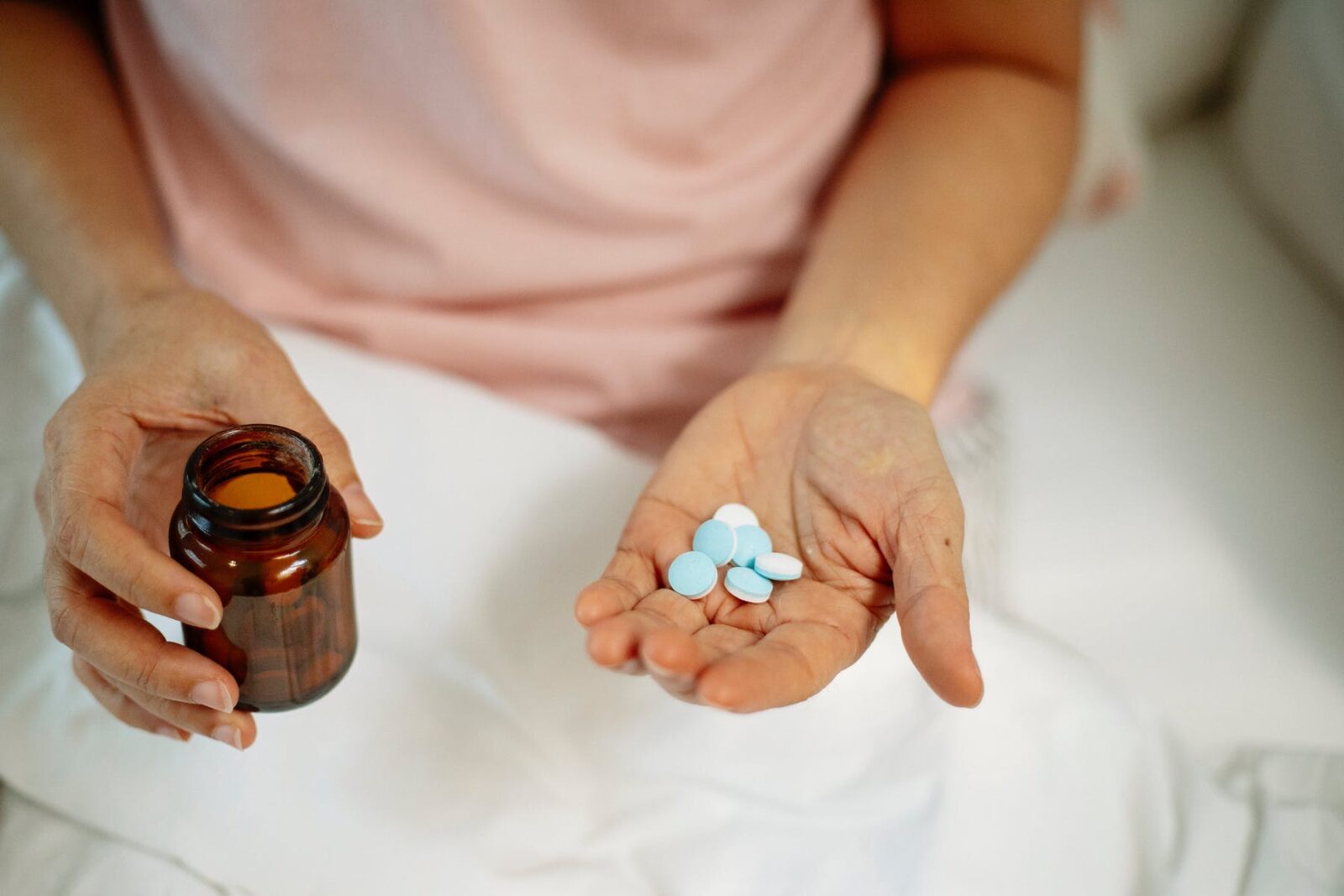
C. diff is a bacterium present in many individuals’ digestive systems. However, its proliferation can be disrupted by antibiotic intake. This bacterial imbalance poses significant risks, especially to the elderly and those with weakened immunity. Amplifying concerns regarding unwarranted antibiotic prescriptions, Pew reported a 15% surge in infections and fatalities from drug-resistant bacteria during the initial year of the COVID-19 pandemic, probably due to increased inappropriate antibiotic consumption.
Antibiotics: Caution Advised
A 2020 research article in JAMA Network Open presented a notable discovery: the negative outcomes were notably worse for individuals who were administered antibiotics without a genuine need. Analyzing 2.8 million children prescribed antibiotics, the research determined that children given unnecessary antibiotics faced a three to eight-fold increased likelihood of contracting C. diff infections. This group also displayed a heightened probability of experiencing other digestive issues and severe allergic responses.
Bacterial Adaptations and Misunderstandings
Antibiotics are designed exclusively for bacterial infections. Yet, many are prescribed for conditions with different origins, such as viral ailments—cold, flu, COVID-19, coughs, certain ear and sinus issues, and gastrointestinal upsets. Alarmingly, a study involving 1,705 COVID-19 patients revealed 56% were administered antibiotics, though merely 3.5% showed a verified bacterial infection. During the pandemic’s early phase, hospital antibiotic use for the virus fluctuated between 27% and 84%, as cited in a 2021 Clinical Infectious Diseases article.
Bacteria have numerous ways to combat antibiotics. One method involves forming a robust outer layer that repels antibiotics. Alternatively, they may alter their internal components that the antibiotic usually attacks. And these are just a few of the possible adaptations.
Bacteria are incredibly adaptable, and their resistance mechanisms to antibiotics can vary significantly. Different regions can observe unique antibiotic resistance patterns due to these adaptations.
This phenomenon isn’t new. In fact, when Alexander Fleming received the Nobel Prize for discovering penicillin, he already cautioned about the risk of resistance if misused.
Doctor Perspectives
While antibiotic resistance is a concern, some doctors in a 2020 BMJ Open study felt obesity and opioid issues were more immediate. They identified urgent care clinics and patient demands as contributing factors in antibiotic resistance.
In a Pew survey involving 1,550 primary care doctors, a majority felt confident about their antibiotic prescribing practices. However, 79% felt patient education was pivotal in ensuring effective antibiotic use.
Many physicians perceive a patient expectation for antibiotics. Pew, introduced the Outpatient Automated Stewardship Information System (OASIS) to address this. This initiative tracks antibiotic prescriptions through electronic health records, with Kentucky, a high antibiotic-prescribing state, being a primary user.
OASIS, through Medicaid data, pinpointed Kentucky physicians who routinely prescribe antibiotics. These doctors received feedback on their prescription habits, giving them perspective on their practices compared to peers.
There are alternative prescription pads for non-medicinal treatments. This provides patients with over-the-counter recommendations, ensuring they feel attended to. Another emerging approach is “watchful waiting,” where doctors recommend symptom management at home, asking patients to return if there’s no improvement.
The Challenge of Diagnosis
A significant factor in overprescription is diagnostic ambiguity. The age-old method of culturing patient samples on petri dishes is neither fast nor always accurate, as Ms. Humphries pointed out. Because bacterial growth can take days, doctors may resort to empiric therapy, prescribing based on the most likely effective antibiotic. This method can result in both under and over-prescription, both contributing to resistance.
A 2022 study in Nature explored machine learning for predicting bacterial susceptibility. While promising, it fails to account for the intricate ways bacteria can mutate.
Governmental Initiatives
Despite the need for newer antibiotics, many pharmaceutical companies avoid this avenue due to limited profitability. Pew highlighted that while cancer drugs yielded over $8 billion in profits from 2014-2016, antibiotics saw a net loss of $100 million.
The contrasting profitability between antibiotics and long-term medications, like antidepressants. Legislative initiatives, such as the PASTEUR Act, have aimed to provide funding for antibiotic research. However, even with these efforts, a World Health Organization report stated only six of 27 antibiotics under development seem promising against antibiotic-resistant infections.
Empowering Patients
Gut health is paramount as it houses a majority of the body’s immune cells. The gut’s microbial environment interacts to form a protective barrier against harmful pathogens. However, antibiotics can disturb this balance, leading to a myriad of health issues, from infections to diseases like cancer, as per a 2020 Microorganisms review.
The Michigan Antibiotic Resistance Reduction Coalition suggests patients can:
- Refrain from pressuring doctors for antibiotics unless a bacterial infection is confirmed.
- Decline unnecessary prescriptions and advocate for testing.
- Discuss concerns about antibiotic resistance with healthcare providers, asking for narrow-spectrum antibiotics when possible and inquiring if fewer doses can effectively treat the infection.