
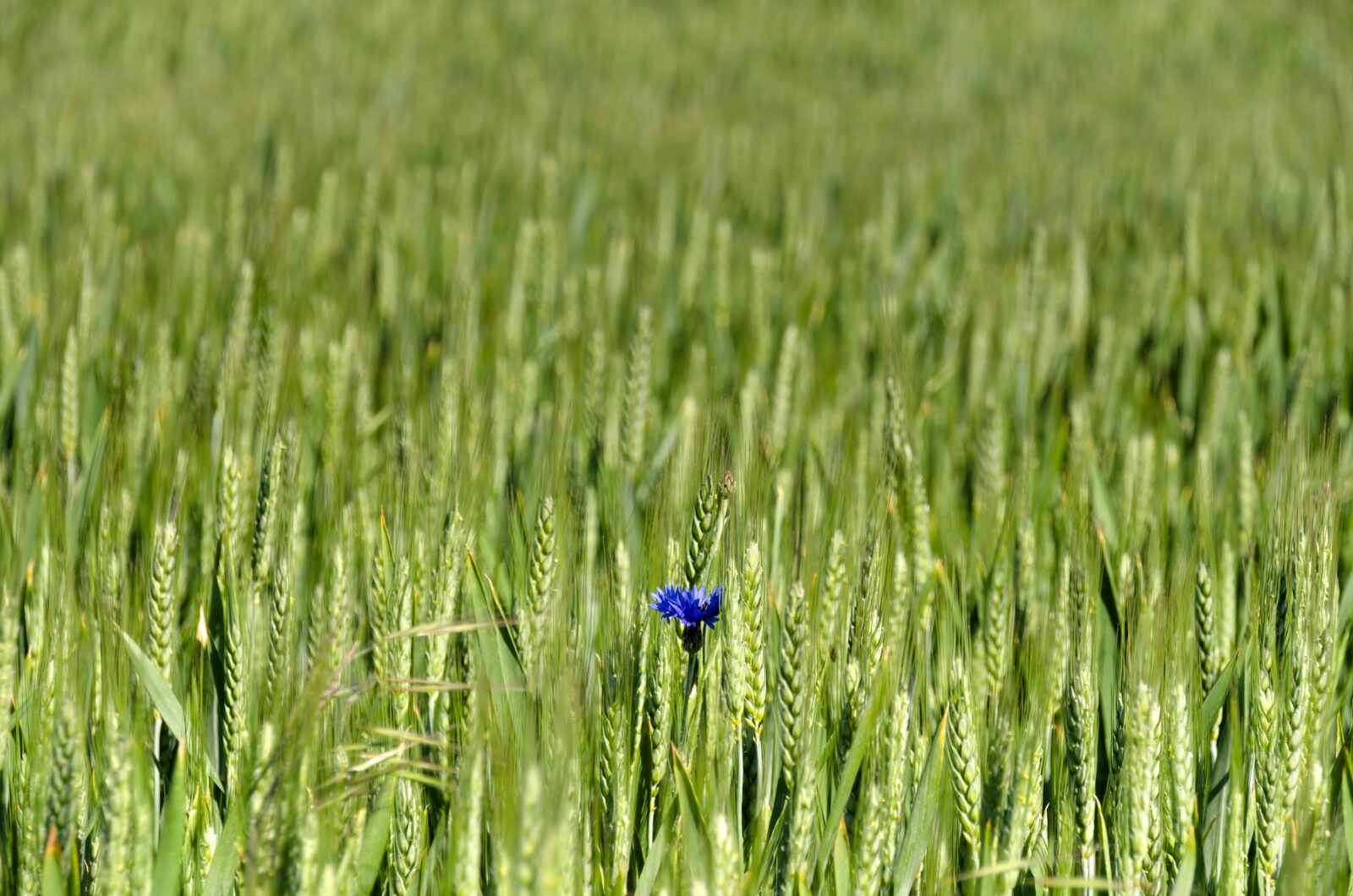
Einkorn is an ancient grain that has been cultivated for thousands of years. It has gained popularity in recent years due to its numerous health benefits. Einkorn is a rich source of nutrients, including protein, fiber, vitamins B and E, zinc, and iron. According to a study published in the Journal of Agricultural and Food Chemistry, einkorn is higher in protein and essential amino acids than modern wheat varieties (1). Einkorn is also a good source of dietary fiber, with 100 grams of einkorn flour containing approximately 9 grams of fiber (2). The high fiber content in einkorn can promote digestive health by improving bowel regularity and reducing the risk of constipation (3).
Einkorn is also low in gluten, which makes it easier to digest for some people with gluten sensitivities. Einkorn contains a different type of gluten than modern wheat, which may be less likely to cause digestive issues for some individuals (4). A study published in the Journal of Agricultural and Food Chemistry found that einkorn has a lower gluten content than modern wheat varieties (5). The low gluten content in einkorn makes it a good option for people with gluten sensitivities or celiac disease.
In addition to being a good source of nutrients, einkorn is high in antioxidants. Einkorn contains high levels of antioxidants, including lutein and zeaxanthin, which are important for eye health (6). Lutein and zeaxanthin are carotenoids that accumulate in the retina and have been shown to protect against age-related macular degeneration (7). Einkorn also contains a type of antioxidant called luteolin, which has anti-inflammatory properties that can help reduce the risk of chronic diseases (8). A study published in the journal Food Chemistry found that einkorn has higher levels of luteolin than modern wheat varieties (9).
Einkorn has a low glycemic index, which means it does not cause spikes in blood sugar levels. This makes it a good option for people with diabetes. A study published in the Journal of Medicinal Food found that einkorn pasta had a lower glycemic index than regular pasta made from modern wheat (10). The low glycemic index of einkorn can also help promote weight management by promoting feelings of fullness and reducing overeating.
Einkorn is also heart-healthy due to its high fiber content. The fiber in einkorn can help lower cholesterol levels and reduce the risk of heart disease. A study published in the European Journal of Clinical Nutrition found that consuming einkorn bread for 12 weeks led to a significant reduction in LDL cholesterol levels (11). The high fiber content in einkorn can also promote weight management by reducing overeating.
Finally, einkorn is a sustainable crop that requires less water and fertilizer than modern wheat. This makes it an eco-friendly choice for consumers. According to a study published in the Journal of Cereal Science, einkorn requires 30-50% less nitrogen fertilizer than modern wheat (12). Einkorn is also drought-resistant, making it a good option for areas with low rainfall.
In conclusion, einkorn is a nutritious and eco-friendly grain that offers numerous health benefits. It is rich in nutrients, low in gluten, high in antioxidants, and heart-healthy. Einkorn’s low glycemic index and high fiber content make it a good option for people with diabetes or those looking to manage their weight. Einkorn’s sustainability makes it an eco-friendly choice for consumers who are concerned about the environment. Overall, einkorn is a great addition to any healthy diet.
REFERENCES:
Pasqualone A, et al. Einkorn wheat: Technological and nutritional aspects. Journal of Agriculturaland Food Chemistry. 2001;49(2): 490-494.
Cappelli A, et al. Nutritional quality of einkorn wheat (Triticum monococcum L.). Journal of Science and Food Agriculture. 2013;93(1):15-19.
Whittaker A, et al. Einkorn: A review of its nutritional characteristics, bioactive compounds, and palatability. Nutrients. 2019;11(8):1850.
Gujral N, et al. Mechanisms of gluten intolerance in celiac disease. Methods in Molecular Biology. 2012; 842: 225-238.
Kucek LK, et al. Genetic and morphological characterization of einkorn (Triticum monococcum L. ssp. monococcum) accessions reveals the presence of two distinct subgroups. Genetic Resources and Crop Evolution. 2015;62(8):1245-1257.
Cornu A, et al. Antioxidants in durum wheat grain and their contribution to pasta color and antioxidant capacity. Food Chemistry. 2014;162:417-425.
Johnson EJ. Role of lutein and zeaxanthin in visual and cognitive function throughout the lifespan. Nutritional Reviews. 2014;72(9):605-612.
Park HH, et al. Luteolin and luteolin-7-O-glucoside inhibit lipopolysaccharide-induced inflammatory responses through modulation of NF-kB/AP-1/PI3K-Akt signaling cascades in RAW 264.7 cells. Nutrition Research and Practice. 2012;6(6):491-497.
Karamać M, et al. Antioxidant activity of phenolic fractions of old and modern einkorn wheat varieties and their impact on wheat flour quality. Food Chemistry. 2018;248:346-352.
Vitaglione P, et al. Whole-grain wheat consumption reduces inflammation in a randomized controlled trial on overweight and obese subjects with unhealthy dietary and lifestyle behaviors: Role of polyphenols bound to cereal dietary fiber. American Journal of Clinical Nutrition. 2015;101(2):251-261.
De Angelis M, et al. Cereal-based gluten-free food: How to reconcile nutritional and technological properties of wheat proteins with safety for celiac disease patients. Nutrients. 2018;10(7):896.
Vico G, et al. Effect of reduced nitrogen fertilization on grain yield and quality in traditional and modern einkorn wheat. Journal of Cereal Science. 2016;70:99-106.