
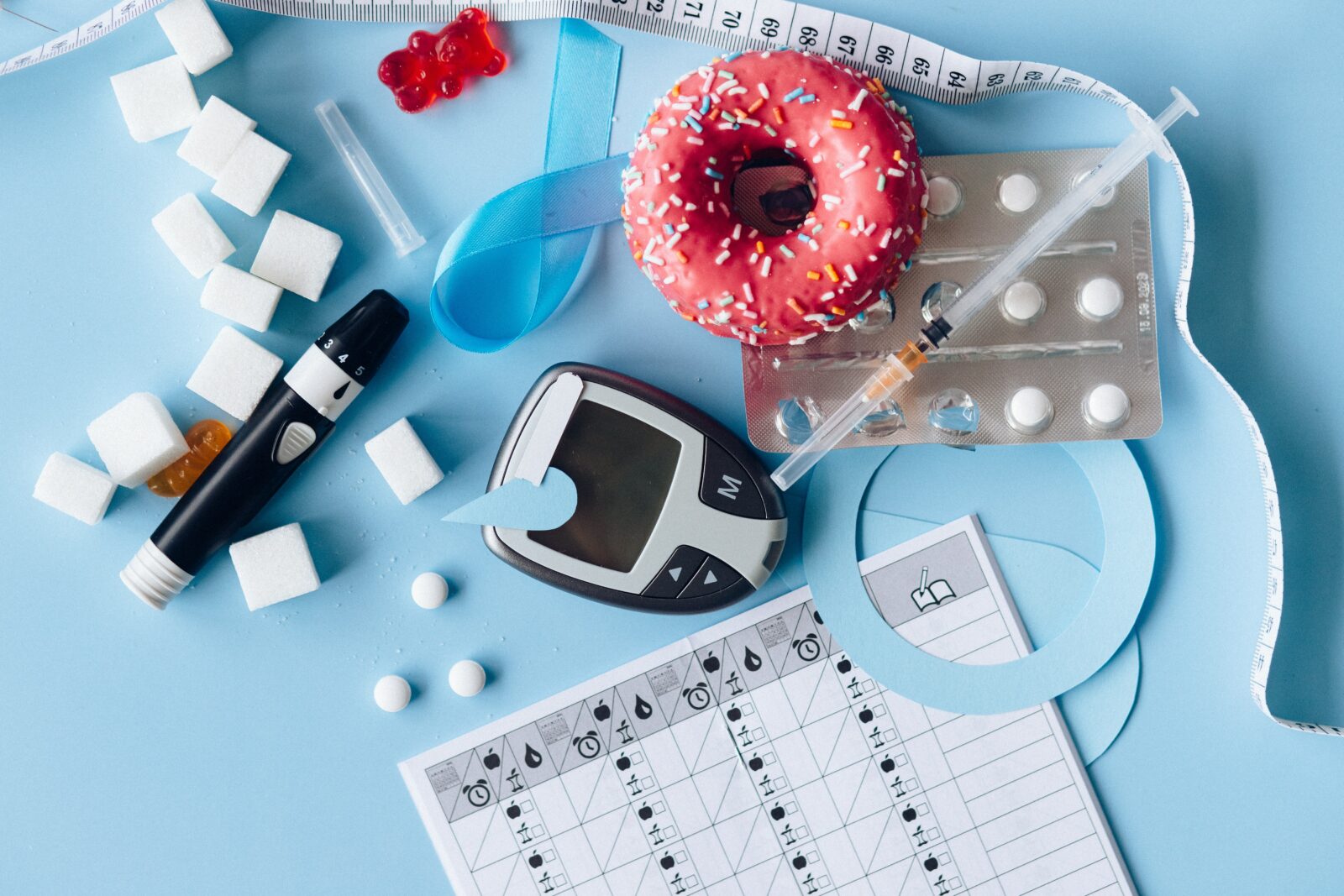
Our body needs energy to work. Every part needs energy from the muscles and heart to the brain, liver, kidneys, and GI tract. The energy comes from the food we eat.
Digestion occurs when our bodies mix the food we eat with fluids (enzymes and acids) in the stomach. During this process, the carbohydrates (starches and sugars) in the food break down into a different type of sugar called glucose.
The stomach and small intestines absorb the glucose and then release it into the bloodstream. Once in the bloodstream, glucose can be used immediately for energy or stored in our bodies to be used later.
This is where insulin comes in. Our bodies need insulin to use or store glucose for energy. Without insulin, glucose remains in the bloodstream keeping blood sugar levels high.
How the body makes insulin
Insulin is a hormone made by beta cells in the pancreas. Beta cells are highly sensitive to the amount of glucose in the bloodstream. When functioning normally, beta cells measure the blood glucose levels every few seconds and make adjustments to the amount of insulin production in response.
When you eat something high in carbs, the glucose levels in your blood rise, and the beta cells stimulate the pancreas to release more insulin into your bloodstream
Insulin triggers cells to absorb glucose
When insulin is released from the pancreas, it travels through the bloodstream to the body’s cells and tells the cells to let the glucose in. Once inside, the cells convert glucose into energy to use right then or store it to use later.
As glucose moves from the bloodstream into the cells, blood sugar levels start to drop. The beta cells in the pancreas can tell this is happening, so they slow down the production of insulin, and the pancreas slows down the amount of insulin released into the bloodstream. When this happens, the amount of glucose going into the cells also slows down.
Balancing insulin and blood sugar for optimum energy
The rise and fall in insulin and blood sugar happens many times during the day and night. The amount of glucose and insulin in our bloodstream depends on what we eat. When the body functions properly, it keeps your blood sugar levels in a range of 70 and 140 milligrams per deciliter. However, blood sugar levels may rise to as high as 180 right after a meal. Within two hours after eating, blood sugar levels should drop to under 140. After several hours without eating, blood sugar can drop as low as 70.
Using glucose for energy and keeping it balanced with just the right amount of insulin is the way our bodies maintain the energy needed to stay alive, work, play, and function even as we sleep.
Insulin helps our bodies store extra glucose
Insulin helps our cells convert glucose into energy, and it helps our bodies store extra glucose for use later. For example, if you eat a large meal and your body doesn’t need that much glucose right away, insulin will help your body store it to convert to energy later.
Insulin does this by turning the extra food into larger packages of glucose called glycogen. Glycogen is stored in the liver and muscles.
Insulin also helps our bodies store fat and protein. Almost all body cells need protein to work and grow. The body needs fat to protect nerves and make several important hormones. Fat can also be used by the body as an energy source.
How diabetes changes the process
With diabetes, the body has stopped making insulin, has slowed down the amount of insulin it’s making, or is no longer able to use its own insulin very well. When this happens, it can lead to several health problems.
For instance, glucose cannot enter the cells that need it. As a result, the glucose in the bloodstream rises causing hyperglycemia – high blood sugar.
When blood sugar levels reach 180 or higher, the kidneys respond by trying to eliminate the excess sugar through urine. This causes the person to become much thirstier as the kidneys produce an increasing amount of urine.
When a person loses sugar in the urine, it’s the same as losing energy because the sugar isn’t available for the cells to use or store. When this happens, a person might feel tired, lose weight, and feel hungry all the time.
Other problems caused by high blood sugar include skin infections that won’t heal, blurry vision, or other injuries that won’t heal. Women may experience more vaginal yeast infections.
When the body doesn’t have enough insulin to help convert sugar into energy, it often starts burning body fat instead. This might work for a short while, but burning fat for energy produces a byproduct called ketones. High levels of ketones can cause diabetic ketoacidosis (DKA), which can be life-threatening if not addressed immediately. DKA is more common in type 1 diabetes because the body has stopped producing insulin.
Keeping blood sugar levels under control
For a person with diabetes, the main focus of treatment is to control the amount of glucose in the body so that blood sugar levels stay as close to normal as possible.
People with type 1 diabetes need insulin shots as part of their care plan to control their blood sugar levels. Some people with type 2 diabetes can manage their blood sugar levels with a healthy diet and exercise. Some people with type 2 diabetes may still need medications or insulin to manage their diabetes.
People with either type 1 or type 2 diabetes need to pay close attention to how blood sugar levels change at various times throughout the day to keep them as close to their target range as possible. When blood sugar levels are close to normal, it means the body is getting the energy it needs to work, play, heal, and stay healthy.