
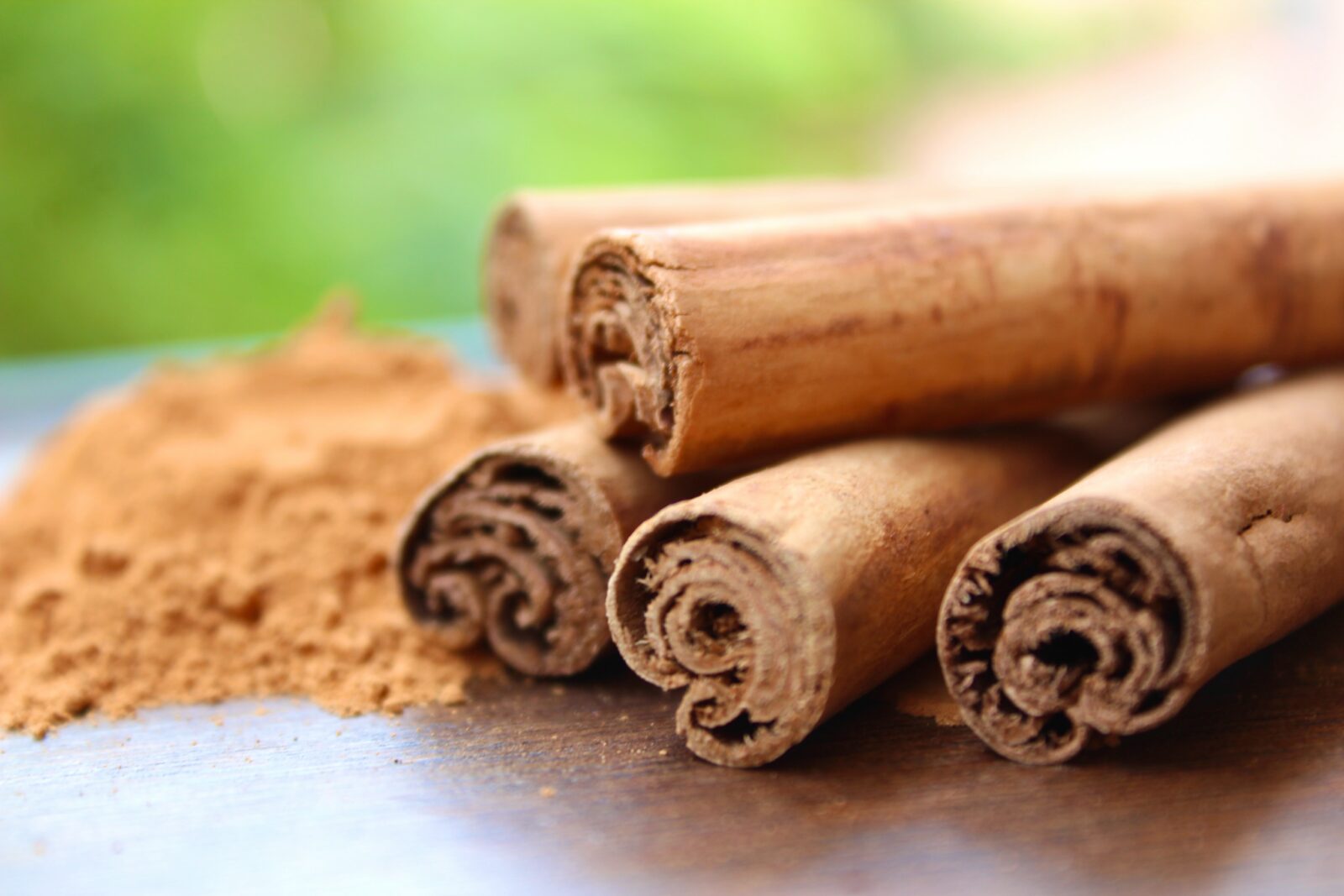
Cinnamon is more than a fragrant spice that teams up nicely with sweet treats. It has medicinal properties that offer a wealth of health benefits, including addressing a Candida overgrowth.
Many studies show that cinnamon has powerful antifungal and antibacterial properties. It can stop the growth of Candid Albicans and prevent it from spreading. It helps boost your circulatory system. In traditional medicine, cinnamon has been used as an anti-inflammatory, antiemetic, mosquito larvicidal, insecticidal, antimycotic, and anticancer agent.
Let’s take a look at some of the research involving Candida albicans and cinnamon, and the many other benefits that cinnamon has for your health.
Cinnamon fights and prevents candida
Cinnamon’s amazing antifungal properties have been found to treat and prevent the spread of Candida in the digestive tract.
One study found that cinnamon oil was able to break down the biofilm of Candida albicans in the gut. Treatment with cinnamon helped to reduce significant amounts of yeast and help restore normal health. After just 14 days of treatment, 72% of the patients were found to have no Candida at all in their stool. The remaining 28% showed a significant reduction in the yeast.
Another study found that cinnamon oils demonstrate antimicrobial action against yeasts including Candida albicans. Research has shown that cinnamon can fight harmful oral microflora, and may even be more potent than other tested plant extracts.
Another study investigated the use of cinnamon oil in hospitals. Hospital patients are extremely vulnerable to Candida infection as they tend to have severely weakened immune systems. In the past few decades, infection from Candida yeast has become increasingly common in hospitals. When researchers compared the effectiveness of sixteen different essential oils against another type of Candida yeast, they found that the most active essential oil was cinnamon. Cinnamon appears to kill off the Candida yeast and prevent it from spreading.
Cinnamon reduces inflammation
Cinnamon may help to reduce these inflammatory symptoms by suppressing cytokines, which work by regulating your body’s inflammatory response. Cytokine release has also been linked to arthritis. Adding cinnamon to your health regime could provide some relief from your aches and pains.
By lowering inflammation, cinnamon may also help to lower your risk of heart disease, cognitive decline, cancer, and more. Cinnamon has a variety of flavonoids that make it a useful means of reducing chronic inflammation levels throughout the body. It may also reduce the severity of allergic reactions and help relieve other age-related symptoms of pain as well.
Cinnamon helps balance blood sugar levels
Several research studies have shown that cinnamon is useful for regulating blood sugar and helping to prevent blood sugar spikes. Cinnamon is believed to work by improving your glucose tolerance and lowering insulin resistance, or else by reducing systemic inflammation. It’s also been found to lower postprandial blood glucose in several small, human trials.
Both of these are considered risk factors for metabolic disease and diabetes. Inflammation weakens the immune system, while high blood sugar levels allow Candida yeast to thrive more successfully. Including cinnamon in your daily diet could help to reduce the amount of excess glucose in your bloodstream.
Cinnamon is a powerful antioxidant
Cinnamon provides antioxidant protection by neutralizing free radicals. Free radicals are unstable molecules that can speed up the aging process while also increasing your risk of chronic degenerative diseases.
Cinnamon contains an estimated 41 different protective compounds that help to shield your cells from free radical damage. In fact, cinnamon is ranked number 7 on the ORAC scale (used to measure the concentration of antioxidants) when compared to other herbs and spices. Garlic, thyme, rosemary, and oregano are also powerful antioxidant herbs and are helpful when used in combination with cinnamon.
Cinnamon’s antioxidant powers are attributed to its high content of polyphenols, phenolic acid, and flavonoids. These compounds help to clear away oxidative stress and reduce the risk of chronic disease. They also help to reduce the build-up of nitric oxide in the blood and prevent fat peroxidation, both of which are associated with brain disorders, cancer, and heart conditions.
Cinnamon protects against infection and viruses
Candida yeast can lead to dysbiosis in your gastrointestinal tract, where up to 80 percent of your immune cells reside. When this happens, your levels of healthy probiotic bacteria are less efficient in overcoming harmful bacteria, fungi, or viruses that enter your body. This can make you more susceptible to illness.
Studies have shown that it contains natural antimicrobial, antifungal, antibiotic and antiviral properties. Cinnamon’s essential oils are also high in powerful immune-boosting compounds.
Cinnamon oil alone is often used as a protective remedy for those with weakened immune systems, in order to ward off common bacterial infections such as the common cold, strep throat, and pneumonia.
What type of cinnamon to use
Pure cinnamon is known as Ceylon Cinnamon (Cinnamomum Verum), and tends to be a little sweeter and less spicy than the more common ‘cassia’ cinnamon, which is what you purchase at the grocery store.
The difference between the two really comes down to the composition. The medicinal properties of real cinnamon include cinnamyl alcohol, cinnamaldehyde, and cinnamyl acetate. Cinnamyl alcohol is usually used in cosmetics and fragrances, while cinnamyl acetate is more for hair conditioners and shampoos.
All three of these elements are present in Ceylon cinnamon and exhibit antifungal and antibacterial properties. Check your local health food stores for Ceylon cinnamon.
Adding cinnamon to your diet
Cinnamon is a versatile spice that should be an easy addition to your daily diet. It’s the basis of pumpkin spice, so during the fall and winter seasons, you should have many options to choose from.
You can opt to take cinnamon supplements in the form of tinctures or capsules. Cinnamon is a wonderful flavor to add to meals and treats. It’s great in oatmeal, smoothies, yogurt, baking, and even savory dishes such as curry. As a spice, it adds warmth and natural sweetness to food.
At the same time, you’ll be helping to lower any inflammation in your body that may also be affecting your overall health.
Just as importantly, cinnamon will help balance your blood sugar levels. This can also help to ward off those unwanted sugar cravings! Do some research before purchasing a bulk lot of cinnamon: make sure it’s the ‘true’ Ceylon version that will provide the health benefits you need. And get creative with all the tasty ways you can add it to your daily life!