
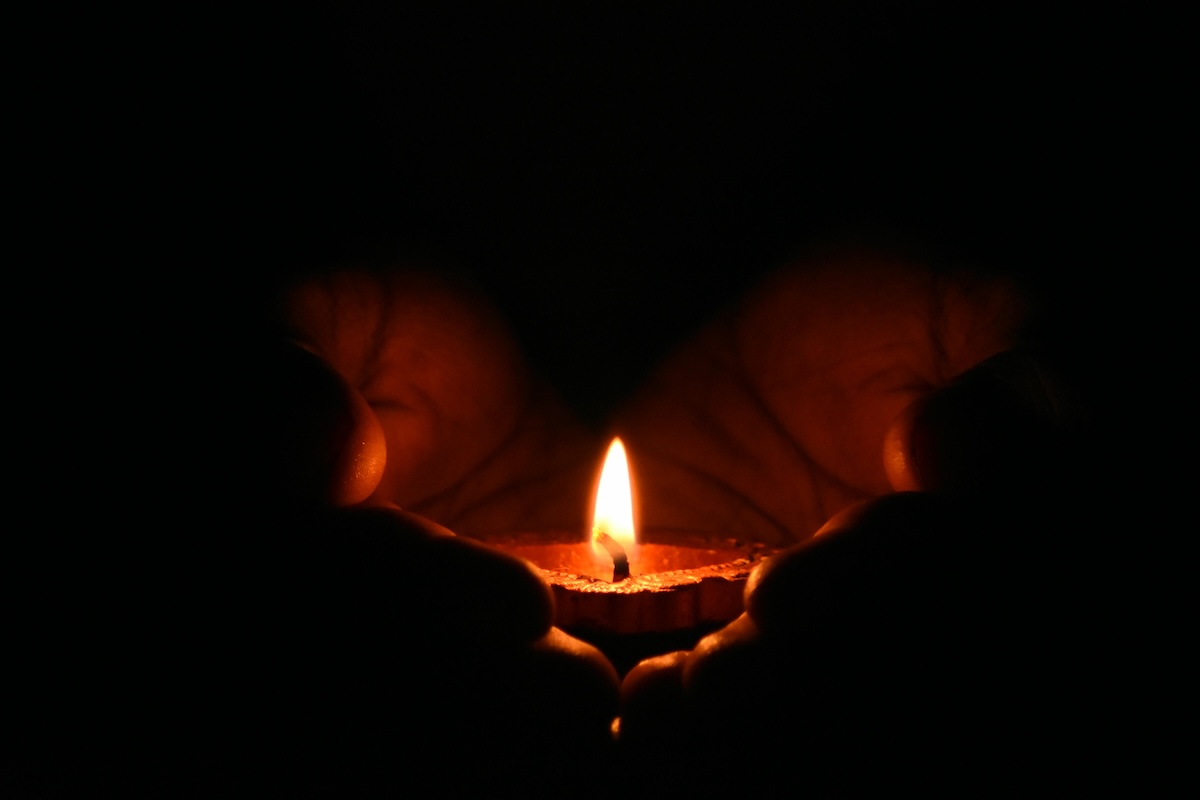
As we descend into the winter season, we are called internally, moving away from the seasons of go, do, explore the external into the world of slow, still, contemplate and integrate. I have written other articles about navigating our shadows which I will tag to this page for reference, however this one I will go into some archetypes and concepts from Carl Jung, gods and goddesses, etc that can all help us to get know the many aspects of human psyche, particularly those that may be operating from the shadows.
Signs That May be an Invitation into Shadow Work
- If you notice repeated triggers that seem larger than “make sense”.
- If you notice yourself going into “sabotage”.
- If you keep finding yourself in similar relationship dynamics.
- If you are having trouble breaking anxiety/depression cycles.
- If you find you get super anxious/angry/depressed during PMS/menstrual cycles.
- If you find yourself being triggered by or judgemental of people who may seem: self centered, outwardly sensual/sex forward, outspoken, rebellious (i.e. don’t seem to follow or care for rules or societal norms), lazy, confident/arrogant…..etc.
- You have autoimmune disease/chronic health issues that don’t seem to respond to the best of the best protocols.
What is Shadow Work?
Shadow work is a psychological practice rooted in the theories of Carl Gustav Jung, a Swiss psychiatrist and founder of analytical psychology. At its core, shadow work involves exploring and integrating the “shadow,” the unconscious part of the psyche that often houses repressed desires, emotions, and aspects of the self that one finds undesirable or socially unacceptable.
The Jungian Shadow: What Is It?
According to Jung, the shadow represents the darker, hidden side of the psyche—qualities we deny or suppress, such as anger, envy, greed, or even positive traits like creativity or ambition that may not feel safe or “right” to express. These aspects remain in the unconscious mind, influencing behavior in subtle and in some cases problematic ways. Jung believed that the shadow is not inherently negative. Instead, it holds the potential for personal growth and transformation. By confronting it, and essentially bringing it “into the conscious mind, or into the light” we can achieve greater self-awareness and psychological wholeness, a process Jung called individuation—the integration of all parts of the self into a cohesive whole, authentic YOU.
The Process of Shadow Work
Shadow work requires honest self-reflection and the courage to confront what may be uncomfortable truths. See the article called Shadow and Light for a ritual to try! Classically the process of shadow work involves:
- Journaling and Reflection: Writing about triggering experiences or recurring patterns of behavior can help uncover shadow elements.
- Dream Analysis: Jung emphasized the role of dreams in revealing shadow aspects, as the unconscious mind often communicates through symbolic imagery.
- Mindfulness and Meditation: These practices help cultivate awareness of thoughts and emotions that may be shadow-driven.
- Therapeutic Dialogue: Working with a Jungian analyst or therapist can provide a safe space to explore and integrate shadow aspects.
What I will add here, is that this is rooted in western psychology, and that from my experience, shamanic/ritual/embodiment/somatic practices are often more effective for the actual discovery and integration of our “shadow” aspects. Often our psyche is so efficient at hiding things that going at it from a cognitive/mind oriented process just doesn’t really work.
Benefits of Shadow Work
- Increased Self-Awareness: Understanding hidden motivations leads to a deeper sense of self.
- Improved Relationships: Recognizing projections—attributing one’s shadow traits to others—reduces conflict and enhances empathy.
- Personal Growth: Embracing the shadow fosters greater authenticity, resilience, emotional intelligence.
- Improved Physical Health: Mental/Emotional Health are integral in physical health, and often in my work with patients it is actually this piece of what one might call shadow work that helps to break out of the chronic illness cycle.
Common Themes/Archetypes we find in the Shadow?
In Jungian psychology, archetypes are universal, recurring symbols or patterns that reside in the collective unconscious. Some archetypes, while typically seen as neutral or even positive, can manifest in the shadow when repressed, distorted, or unacknowledged. Here are some key archetypes that may exist in the shadow:
1. The Shadow Archetype Itself
- Core Traits: Represents everything the conscious mind rejects or disowns, including darker impulses like greed, jealousy, aggression, or fear.
- Influence: When unintegrated, it can lead to projection, where individuals attribute their own undesirable qualities to others.
2. The Dark Hero (or Anti-Hero)
- Core Traits: Displays courage but is driven by selfish motives, vengeance, or moral ambiguity.
- Influence: May represent repressed desires to break rules or assert power in unethical ways.
3. The Trickster
- Core Traits: Represents deception, chaos, and playfulness but with a mischievous or harmful edge.
- Influence: Shadow Tricksters may manifest as manipulative behavior, dishonesty, or self-sabotage.
4. The Outlaw (or Rebel)
- Core Traits: Challenges authority, norms, and societal expectations but can be destructive when unacknowledged.
- Influence: In the shadow, the Outlaw might express itself through defiance, lawlessness, or destructive rebellion.
5. The Tyrant (or Dominator)
- Core Traits: Seeks control and power over others, driven by fear of vulnerability or loss of authority.
- Influence: Can manifest as domineering behavior, bullying, or an obsession with control.
6. The Victim
- Core Traits: Represents feelings of helplessness, vulnerability, and suffering.
- Influence: In the shadow, the Victim may surface as chronic self-pity, blame-shifting, or an inability to take responsibility.
7. The Seducer (or Temptress)
- Core Traits: Uses charm, beauty, or charisma to manipulate others for personal gain.
- Influence: In the shadow, it may lead to exploitative relationships or excessive reliance on superficial allure.
8. The Shadow Warrior
- Core Traits: Embodies aggression, ruthlessness, and a desire for domination.
- Influence: When unconscious, this archetype can drive violent tendencies or a relentless pursuit of victory at any cost.
9. The Witch or Sorcerer
- Core Traits: Represents dark wisdom, manipulation of hidden forces, or a desire to control fate.
- Influence: Can manifest as a manipulative, cunning nature or an unhealthy obsession with power or influence.
10. The Shadow Healer
- Core Traits: Possesses healing abilities but may use them selfishly or destructively.
- Influence: May manifest in exploiting others’ pain or becoming a martyr for the sake of feeling indispensable.
Shamanic Approach to Shadow Work
From a shamanic perspective, shadow work is a spiritual journey of healing and transformation, focusing on restoring harmony between the conscious self, the unconscious mind, and the spirit world. While Carl Jung’s approach is more cognitive/psychological, shamanic shadow work integrates ancient wisdom, rituals, and direct engagement with the spirit realm to address the hidden aspects of the self.
Core Concepts of Shamanic Shadow Work
1. Duality and Wholeness
In shamanic traditions, life is seen as a balance between light and dark, creation and destruction. Shadow work is not about eliminating the shadow but embracing it as a vital part of one’s spiritual wholeness. The goal is to harmonize these polarities to achieve inner balance.
2. Healing Soul Fragmentation
Shamans often view shadow aspects as fragments of the soul that have been wounded or lost due to trauma, fear, or repression. These lost parts are seen as needing to be retrieved, healed, and reintegrated—a process known as soul retrieval.
3. Guidance from Spirit Guides and Allies
Shamanic shadow work frequently involves connecting with spirit guides, power animals, or ancestors. These entities offer protection, insight, and guidance in navigating the shadow realms, helping individuals confront and integrate their hidden aspects.
4. Altered States of Consciousness
Shamans often enter altered states through drumming, dancing, chanting, or plant medicine. In these states, they journey to the spirit world to uncover shadow aspects, seek wisdom, and engage in healing work. This practice allows access to deep layers of the unconscious and the collective energy field.
Practices in Shamanic Shadow Work
The specific practices vary between cultures, and I encourage you to explore your own cultural roots for that which may resonant with you on a DNA level. There is something to be said for choosing ways of exploration and self care that are culturally aligned with YOUR ancestral practices. This also limits cultural appropriation which can be a problem and rather than serving the true soul self can end up perpetuating Spiritual Ego, versus true integration and evolution. Here are some concepts that exist in many cultures that incorporate shamanic practices:
Journeying to the Underworld: Shamans may guide themselves or others on visionary journeys to the underworld—a symbolic realm where shadow aspects reside. There, they encounter and negotiate with shadow elements to reclaim lost power and wisdom.
Ceremonial Rituals: Rituals involving fire, water, or other natural elements can symbolize purification and transformation. These ceremonies help release old patterns and integrate the lessons of the shadow.
Ancestral Healing: Shadow work often includes addressing ancestral wounds passed down through generations. By healing these inherited shadows, individuals can break cycles of pain and dysfunction.
Symbolic Acts and Offerings: Symbolic gestures, such as creating art, making offerings, or crafting talismans, are used to externalize and honor shadow aspects, making them tangible and more approachable.
Dreamwork and Vision Quests: Dreams are considered portals to the shadow, much like in Jungian thought. In a shamanic context, vision quests—prolonged periods of solitude in nature—allow for direct encounters with the shadow.
Goddesses of the Underworld
The last thing I will bring into play is one of my favorite ways to work with and access the complexity of our psyche, and that is studying/meditating on/ calling in the energies of gods and goddesses. Many goddesses from different cultures are associated with the shadow, underworld, death, and transformation and one will find there is quite a lot of crossover between the goddesses of different cultures and names. What this means to me is that all humans have explored and sought to understand and honor the walk between dark and light, and that when we explore those things that may feel dark we often discover the source of deeper love, authenticity and soul. Here are a few from various cultural backgrounds. I encourage you to look at artwork depicting the various goddesses, and see if there is something you are drawn to!
Hecate (Greek)
- Domain: Witchcraft, crossroads, the underworld, and the night.
- Attributes: Hecate is a triple goddess associated with magic, the moon, and the liminal spaces between worlds. She is often depicted with torches, symbolizing her role as a guide through the darkness.
- Shadow Aspect: Represents the power of the unknown, transformation, and the acceptance of death and endings.
Ereshkigal (Mesopotamia)
- Domain: Queen of the Underworld.
- Attributes: Ereshkigal rules the land of the dead and embodies the dark, unavoidable aspect of life. She is the counterpart to her sister, Inanna, the goddess of love and fertility.
- Shadow Aspect: Symbolizes isolation, death, and the necessity of surrendering to the darker phases of life for renewal.
Persephone (Greek)
- Domain: Queen of the Underworld, spring, and vegetation.
- Attributes: Persephone’s story reflects duality, as she spends half the year in the underworld and half in the living world, embodying the cycle of life, death, and rebirth.
- Shadow Aspect: Represents the descent into the unconscious and the transformative power of embracing the dark aspects of the self.
Hel (Norse)
- Domain: Ruler of Helheim, the Norse underworld.
- Attributes: Hel is often depicted as half-living and half-dead, symbolizing the boundary between life and death. She governs those who die of old age or illness.
- Shadow Aspect: Embodies the inevitability of death and the acceptance of mortality.
Kali (Hindu)
- Domain: Death, time, destruction, and transformation.
- Attributes: Kali is a fierce goddess who destroys evil and ego, often depicted with a necklace of skulls and a skirt of arms, representing liberation from the cycle of death and rebirth.
- Shadow Aspect: Represents the destruction necessary for creation, the dissolution of the ego, and the raw power of transformation.
Morrígan (Celtic)
- Domain: War, fate, and death.
- Attributes: The Morrígan is a shape-shifting goddess often associated with ravens or crows. She foretells death and is linked to battle and prophecy.
- Shadow Aspect: Embodies the chaotic, destructive forces of life and the inevitability of death as part of the natural order.
Coatlicue (Aztec)
- Domain: Earth, fertility, and death.
- Attributes: Coatlicue is the mother of gods and a goddess of life and death, depicted wearing a skirt of serpents and a necklace of human hearts.
- Shadow Aspect: Represents the cycle of life, death, and rebirth, embodying both nurturing and destruction.
Nephthys (Egyptian Mythology)
- Domain: Death, protection, and mourning.
- Attributes: Nephthys is the sister of Isis and Osiris, often associated with the night and the afterlife. She helps guide the dead to the underworld.
- Shadow Aspect: Symbolizes the hidden, protective power found in grief, loss, and the transition between life and death.
Sedna (Inuit Mythology)
- Domain: Sea, marine life, and the underworld.
- Attributes: Sedna is a sea goddess who resides in the depths of the ocean. She governs marine creatures and is associated with death and the afterlife in Inuit tradition.
- Shadow Aspect: Represents the depths of the unconscious and the transformative power of facing one’s fears and losses.
Izanami (Japanese)
- Domain: Creation, death, and the underworld (Yomi).
- Attributes: Izanami, originally a creator goddess, becomes the goddess of death after dying in childbirth. She resides in the underworld, Yomi, and is associated with decay and endings.
- Shadow Aspect: Embodies the inevitability of death and the consequences of clinging to the past.
Now we went over quite a lot in this article, so I encourage you to not try to capture all the information, rather when I present this stuff I like to see what perhaps perks your interests…as that is a clue that there may be something there for you.
Blessings and happy shadow walking.