
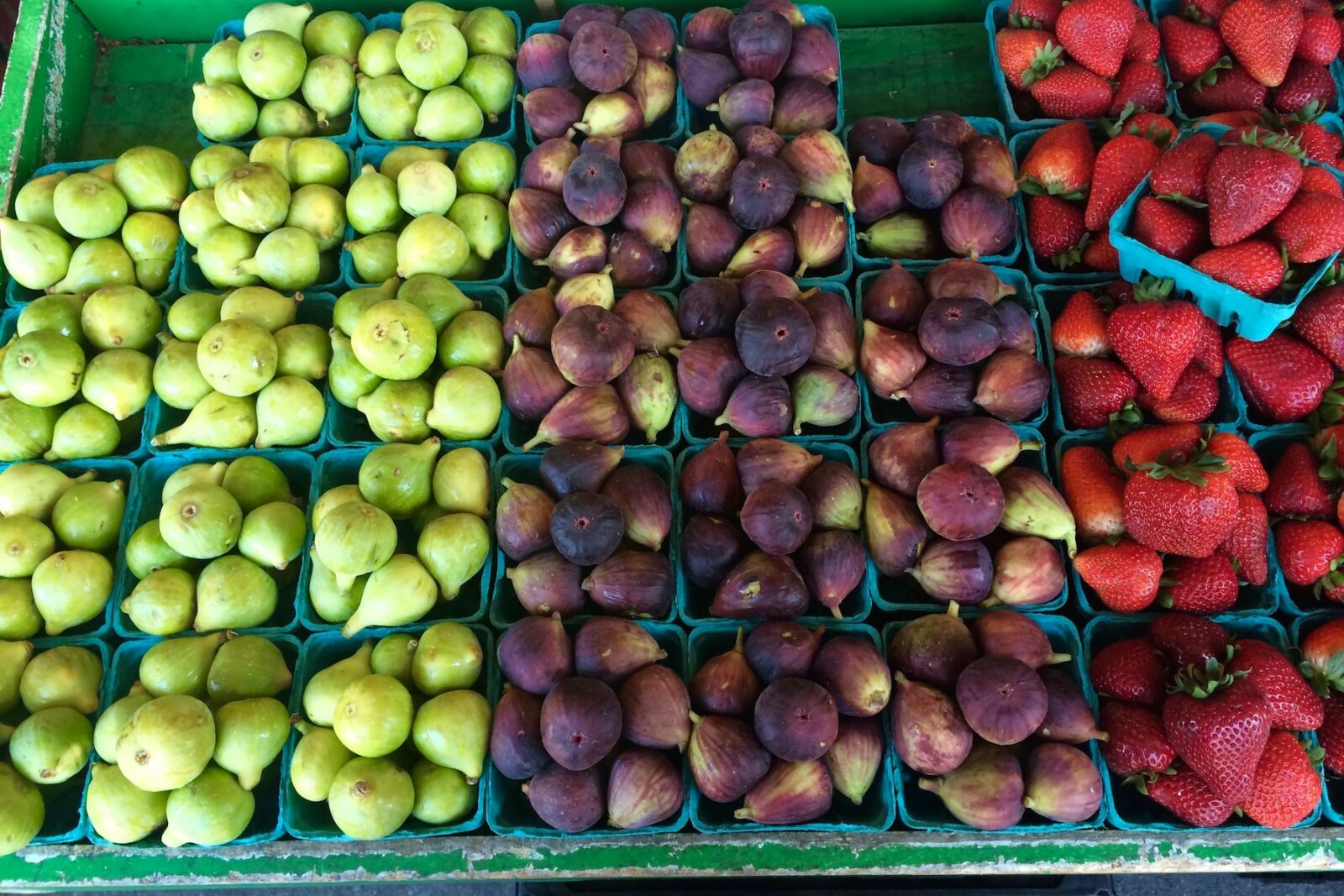
The fig tree, often mentioned in the Bible as a symbol of peace and prosperity, has a rich history dating back to Neolithic times around 5000 B.C. Fragments of its fruit have been discovered in excavations from that era. Native to Western Asia or Egypt, figs were cultivated early on in the Middle East and Europe, eventually spreading to England and China by the mid-1600s. Spanish missionaries introduced fig orchards to
California in 1769, where they continue to thrive today.
With a wide variety of fig tree species belonging to the mulberry family, these trees typically reach heights of 10 to 30 feet and thrive in warm, dry climates. They are pollinated by tiny wasps, and their flowers are hidden inside, resulting in the development of numerous small seeds that contribute to the unique crunchy texture of figs.
Figs come in different colors, such as red, yellow, purple-skinned, or green-striped, each offering its own distinct flavor. However, before reaching optimal ripeness, figs contain “latex,” a sticky substance with skin irritants, necessitating protective measures for workers involved in fig production.
Dried figs are sometimes roasted and ground as a coffee substitute or used in the production of alcoholic beverages and tobacco flavorings. Due to their perishable nature, figs should be refrigerated if not consumed within a few days. They can be enjoyed as a standalone snack or incorporated, peeled or unpeeled, into various recipes. The seeds of figs add to their satisfying chewiness, and as they ripen, they provide higher levels of antioxidants.
Figs offer numerous health benefits. They are rich in fiber and serve as a good source of essential minerals like magnesium, manganese, calcium (beneficial for bone density), and potassium (helps lower blood pressure). They also contain vitamins, particularly K and A, as well as folate and choline. The nutritional value of figs increases when they are dried, and they can be stored for a longer period. For instance, dried figs contain significantly more calcium compared to fresh figs, but it’s important to monitor the consumption of dried figs due to their higher sugar content.
Both fresh and dried figs contain powerful antioxidants that combat free radicals and aid in disease prevention. Figs are also a good source of dietary fiber, which supports a healthy digestive system and may positively impact weight management. A study showed that women with a high fruit fiber intake, including figs, experienced a 34 percent reduction in breast cancer risk compared to those with a lower intake.
Figs have been used in traditional medicine for various purposes, including the treatment of tumors, warts, and sore throats. Fig leaves are particularly valued for their health-related benefits, such as their potential to regulate blood sugar levels and reduce insulin dependency in diabetics.
While figs offer many advantages, moderation is key due to their sugar content. Excessive consumption of fructose, found in figs, can be harmful to health.
Several studies have explored the properties of figs. Phytochemicals isolated from figs and soybeans demonstrated inhibitory effects on the proliferation of cancer cells. Certain fig varieties were found to possess unique antioxidant and cancer-fighting properties, with potential applications in treating nonmelanoma skin cancers. Figs ranked high in phenolic antioxidants and nutrients, particularly fiber, among various fruits. Consuming dried fruits, including figs, was recommended based on these findings. Additionally, fresh fig latex and dried figs exhibited anticancer properties in studies on stomach cancer cells, suggesting their potential therapeutic use.
In conclusion, figs have a long history and offer a range of health benefits. They are versatile in culinary applications and come in various colors and flavors. However, it’s important However, it’s important to enjoy figs in moderation and be mindful of their sugar content. With their abundance of antioxidants and nutrients, figs contribute to overall well-being and may aid in disease prevention. They are a valuable addition to a balanced diet.
The research conducted on figs highlights their potential therapeutic properties, such as inhibiting cancer cell growth and providing antioxidant protection. These findings suggest that figs have promising applications in the development of treatments for various diseases, including skin and stomach cancers.
As we continue to uncover the many benefits of figs, it becomes increasingly clear that they deserve a more prominent place in our diets. Their dense nutrient profile, especially in terms of fiber, makes them a healthy choice. Incorporating dried fruits like figs into our daily routine can provide us with valuable antioxidants and nutrients that are often lacking in the typical Western diet.
It’s important to note that while figs offer numerous health advantages, they are just one part of a well-rounded diet. Variety and balance remain key principles for overall nutritional well-being. By including figs and a diverse range of fruits, vegetables, whole grains, and lean proteins, we can optimize our nutrition and support a healthy lifestyle.
In conclusion, figs have a rich history, delightful flavors, and impressive health benefits. Whether enjoyed fresh or dried, they are a versatile and nutritious addition to meals, snacks, and even traditional medicine practices. As we strive to make healthier choices, incorporating figs into our diet can contribute to our overall well-being and enjoyment of delicious and wholesome food.